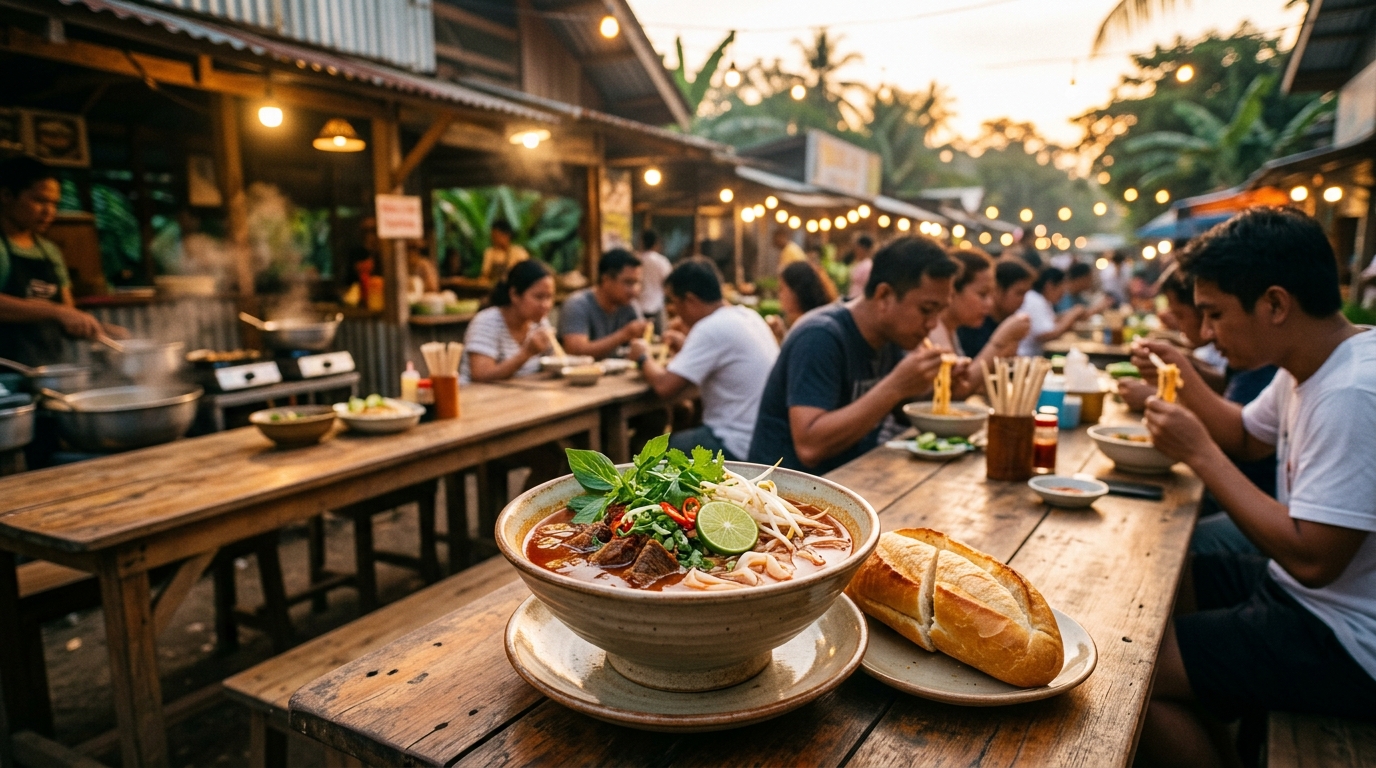
In the heart of Puerto Princesa, a humble bowl of noodles is undergoing a high-concept transformation that is catching the attention of regional food critics. The "Chao Long," a sweet and savory beef stew noodle brought over by Vietnamese refugees decades ago, is being elevated from a roadside snack to a gourmet staple in the city’s newest dining districts. This culinary movement seeks to preserve the authentic Palawan-Vietnamese heritage while introducing modern plating and locally sourced organic ingredients that appeal to the sophisticated 2026 palate.
Heritage in a Steaming Bowl
The "Island Garden" dining circuit has recently introduced a specialized heritage menu that features Chao Long alongside other Palawan staples like "Pinais na Hipon Or teamed shrimp in coconut". Chefs are now sourcing their rice noodles from traditional makers in the city’s old Vietnamese village to ensure the texture remains faithful to the original recipes. This push for authenticity is a reaction against the "fast-food" versions of the dish that have become common in recent years. By returning to slow cooked bone broths and hand picked herbs, these restaurants are reclaiming a vital piece of the city’s social history.
The Night Market Ritual
Puerto Princesa’s Rizal Avenue remains the epicenter of this food movement, where the evening air is thick with the scent of toasted French bread the traditional side for Chao Long. This May, the city has organized "Communal Tables" where locals and tourists sit together, breaking the barriers of typical restaurant dining. It is a lifestyle experience where the meal serves as a bridge between the island's refugee past and its prosperous, tourism driven present. The "slurp" of the noodles and the "crunch" of the baguette have become the unofficial soundtrack of the city’s nightlife.
A Taste of the South China Sea
What makes the 2026 version of this food scene unique is the "Two Seas" logic, where ingredients are pulled from both the Sulu Sea and the South China Sea. Restaurants are now experimenting with "Seafood Chao Long" variations using fresh caught shrimp and squid, a departure from the traditional beef-only recipe. This evolution reflects Palawan’s broader culinary philosophy: if it was swimming in the morning, it should be in the broth by evening. This hyper local sourcing ensures that the gastronomy of the capital remains as fresh as the sea breeze hitting the Baywalk.