
ESTANCIA, ILOILO — On the menu of a seafood shack along the Estancia coastline, an oyster is a simple thing—opened, perhaps grilled, and eaten within sight of the water from which it came. But the oyster now growing in floating bags in the waters of Barangay Bayuyan is not the clustered, weather‑dependent talaba that generations of Ilonggo fisherfolk have harvested. It is a single, deep‑cupped oyster, produced in a hatchery, nursed in a brackishwater station, and deployed with the precision of a laboratory experiment. The Southeast Asian Fisheries Development Center Aquaculture Department (SEAFDEC/AQD) launched this pilot initiative in January 2026, and for the province's tourism planners, it represents something more than an aquaculture breakthrough. It is the foundation of a culinary tourism experience that can draw visitors to northern Iloilo for the same reason they flock to the scallop boats of Carles—for the taste of something that cannot be replicated anywhere else.
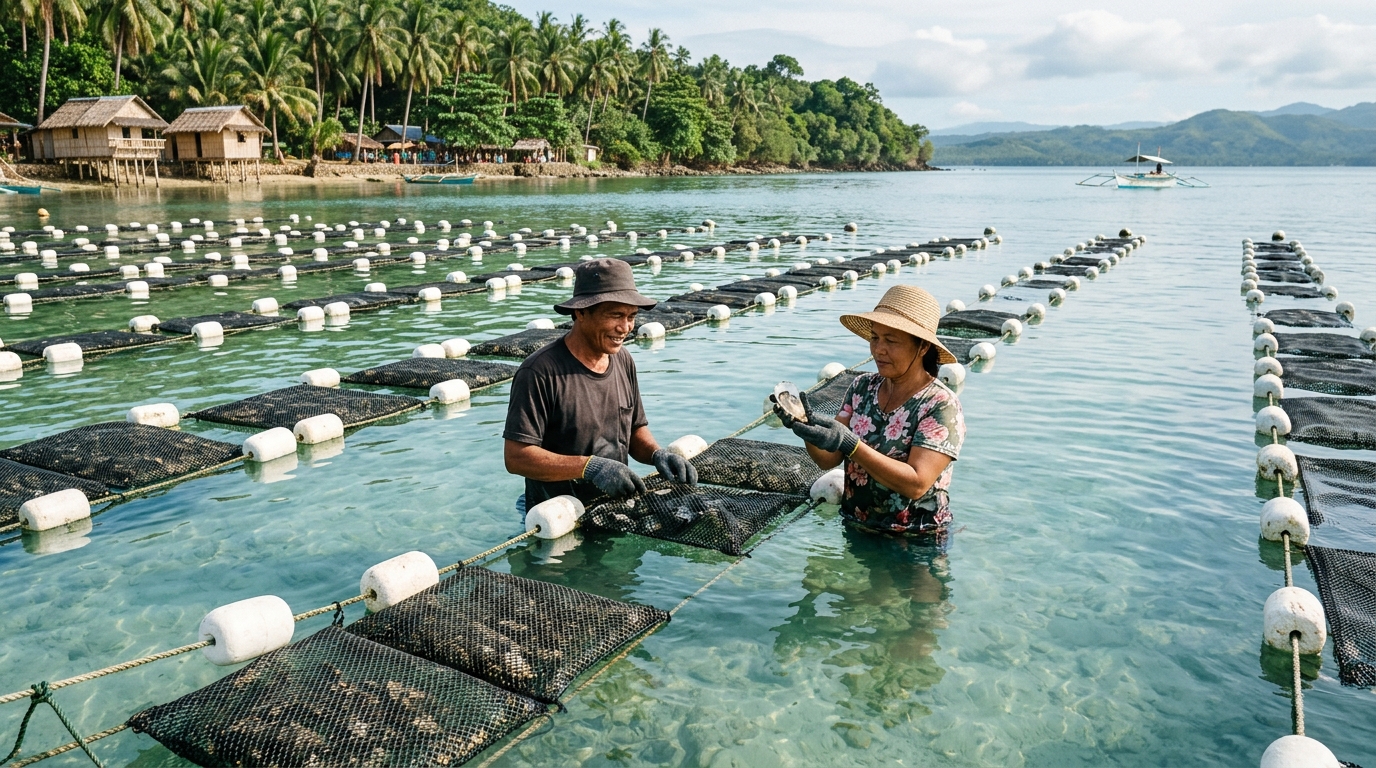
The project, officially titled "Mass Production of Hatchery‑Reared Single Spat Oyster (Magallana bilineata)," is being implemented in collaboration with the Department of Agriculture–Bureau of Fisheries and Aquatic Resources (DA-BFAR) Region 6 under the "Shellfish Aquaculture for Rural Advancement and Progress" (SARAP) project. The oysters begin their journey at the SEAFDEC/AQD Oyster Hatchery in Tigbauan, where microcultch—finely ground oyster shells—allows larvae to settle individually rather than in clusters. Once the spat reach 3 to 15 millimeters in shell length, they are transferred to the Dumangas Brackishwater Station for nursing over a four‑month period using floating bags and wellers. The oysters are then deployed to the culture area managed by the Bayuyan Small Fisherfolk Association in Estancia for grow‑out, using floating bags measuring 80 × 35 × 10 centimeters. The first harvests are projected within six to twelve months from stocking, when the oysters reach an estimated shell length of 60 to 90 millimeters.
A Fisherfolk Association That Is Learning to Sell by the Piece, Not by the Sack
The Bayuyan Small Fisherfolk Association has long relied on traditional methods to produce clustered oysters, which are sold by the sack or tub at prices that reflect volume rather than quality. The SEAFDEC/AQD pilot introduces a fundamentally different economic model. Single oysters, grown in floating trays that allow for uniform growth and streamlined handling, can be sold by the piece and at significantly higher prices. SEAFDEC/AQD Associate Researcher Ms. Marinelle Espino explained that the system is intended to support more uniform growth, deeper‑cupped oysters, and more efficient handling and grading. "This method of oyster culture is expected to improve the quality of oysters and help the fisherfolk access premium markets," she said.
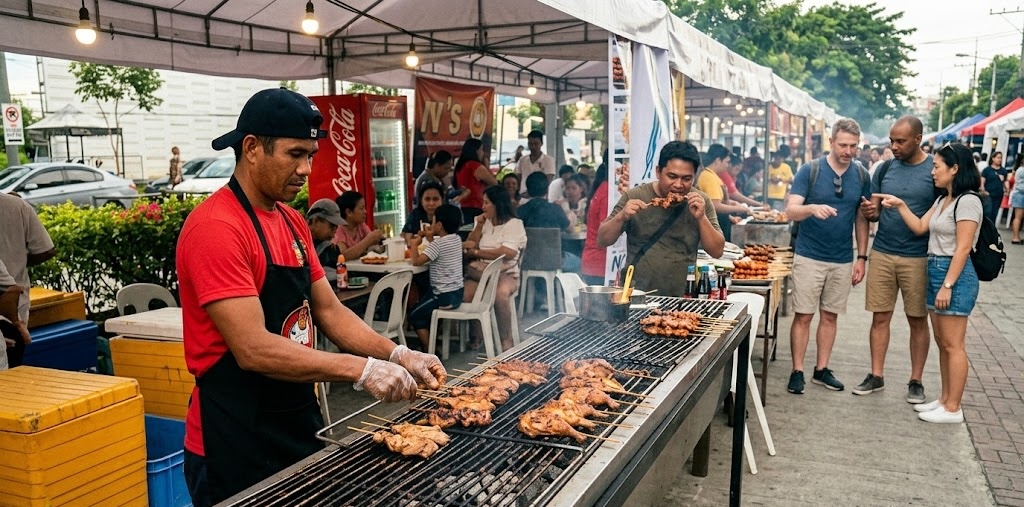
For the tourism sector, the premium market that matters most is the one that sits down at a table. Iloilo is a UNESCO Creative City of Gastronomy, a designation built on La Paz batchoy, pancit molo, and a seafood tradition that stretches from the fish ports of Estancia to the talabahan of the city. But the oyster that tourists encounter in Iloilo's restaurants has historically been the clustered talaba—delicious but inconsistent, its quality dependent on the vagaries of weather and salinity. The SEAFDEC/AQD pilot addresses that inconsistency at its source. A single, hatchery‑reared oyster, grown to uniform size and harvested at peak condition, is the kind of product that a chef can build a dish around. When Estancia's P90‑million seafood market—a two‑story facility with 200 stalls completed in August 2024—fills its displays with these oysters, the culinary tourism proposition of northern Iloilo shifts from local to premium.
Where the Oyster Meets the Tourism Master Plan
The pilot initiative lands in Estancia at a moment when the municipality is being deliberately positioned as a tourism gateway. Provincial Tourism Officer Aulynn Yue Sin, appointed under Executive Order No. 10 by Governor Arthur Defensor Jr., has placed Estancia at the center of her integrated tourism hub strategy. Sin envisions ports in Estancia, Carles, and Concepcion transformed into entry points featuring information desks, pasalubong areas, and food terminals where visitors can savor fresh, local dishes before embarking on island trips. "We want tourists to experience Iloilo not just through festivals but through food, culture, local life, and eco‑tourism," she said. The strategy explicitly includes opportunities for tourists to "fish with local fisherfolk, learn about community livelihoods, and experience island culture firsthand."
The SEAFDEC/AQD oyster initiative adds a layer of scientific credibility to that community‑based tourism model. A visitor who travels to Estancia can now theoretically tour the Bayuyan oyster culture area, speak with the fisherfolk who manage the floating bags, and then eat the same oysters at the seafood market or at a local talabahan. The experience bridges the gap between the laboratory and the lunch plate, and it does so in a municipality whose fifth district already accounted for approximately 40 percent of Iloilo's tourist arrivals in 2023. SEAFDEC/AQD Chief Dan Baliao framed the initiative as a demonstration of "how science‑based hatchery technologies can help strengthen oyster farming practices and improve resilience for fisherfolk organizations." Results from the pilot will be evaluated to guide future oyster aquaculture interventions and technology transfer efforts in coastal communities. For Iloilo's tourism planners, those results will also determine whether Estancia can add "premium oyster destination" to a growing list of attractions that already includes the scallop feasts of Gigantes, the sandbars of Concepcion, and the heritage churches of the city. The first harvest is still months away, but the oysters are already growing—and with them, the quiet promise of a new reason to head north.