
ILOILO CITY — On January 30, 2026, at the NuStar Grand Ballroom in Cebu City, Mayor Raisa Treñas-Chu and General Services Office head Neil Ravena formally accepted the Association of Southeast Asian Nations (ASEAN) Clean Tourist City Award for 2026. The recognition marks Iloilo City’s second consecutive win under the rigorous regional standard—the first came in the 2020‑2022 cycle—and reaffirms the city’s position as one of the region’s cleanest and most livable urban destinations. For the tourism sector, the award functions as an independent validation that Iloilo’s streets, plazas, esplanades, and waste‑management systems meet the same benchmarks that govern premier destinations across Southeast Asia.
The award is part of the ASEAN Tourism Standards Awards program, which evaluates cities using indicators such as clean streets and public spaces, environmental protection measures, visitor safety, and adequate waste management facilities. “This award belongs to every Ilonggo. Cleanliness is our shared responsibility, and together, we will keep Iloilo City worthy of the world’s recognition,” Mayor Treñas-Chu said. The statement reframed the award not as a government achievement but as a collective civic outcome—one that every resident, street sweeper, and barangay official contributes to daily.
A Validation Process That Leaves Nothing to Chance
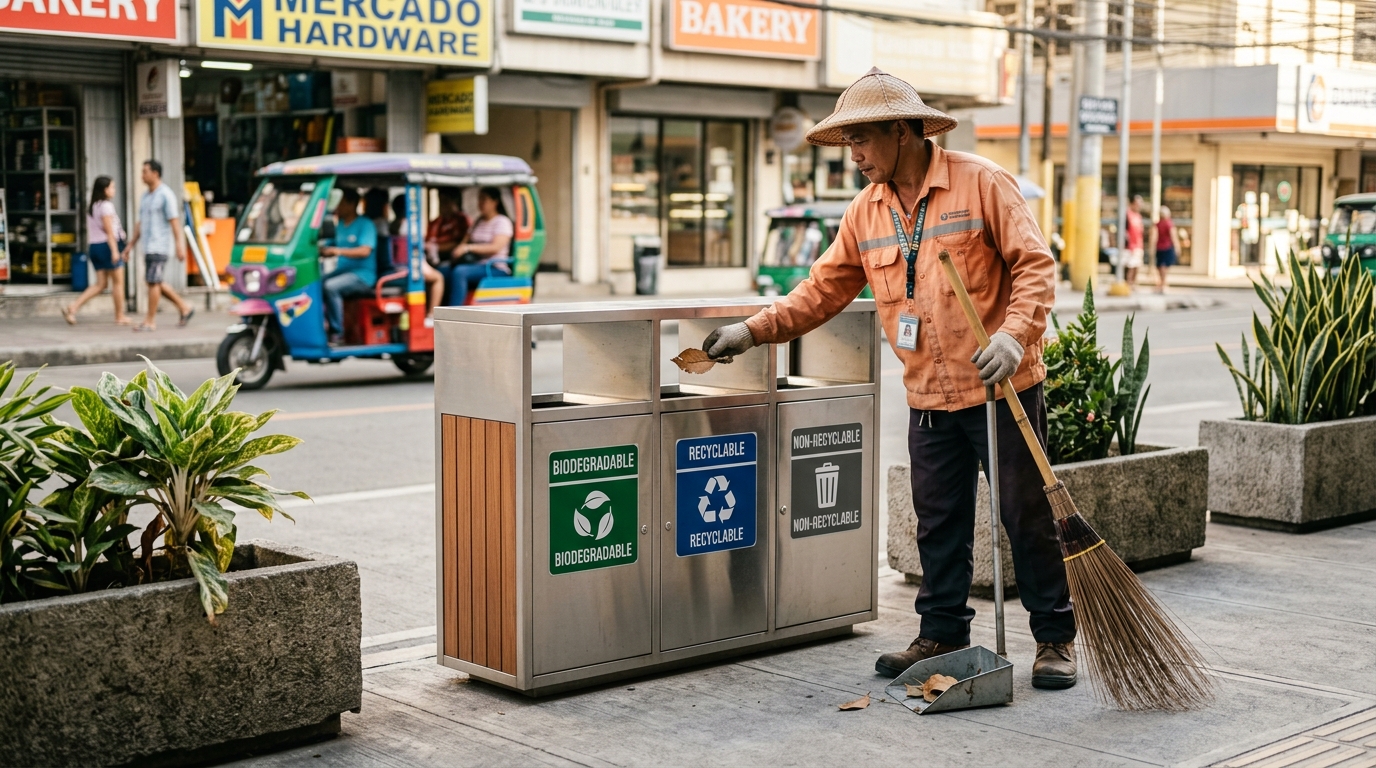
The path to the January 30 ceremony began months earlier. On July 25, 2025, a team from the Department of Tourism Central Office–Office of Tourism Standards conducted an on‑site inspection of Iloilo City’s compliance with ASEAN benchmarks on environmental protection, urban governance, public safety, and responsible tourism development. The validation examined the city’s solid waste management system, the condition of public spaces and green areas, the availability and cleanliness of public toilets, and the state of transport terminals and tourism centers.
Ravena later explained that sanitation and urban upkeep accounted for the majority of the evaluation, with cleanliness contributing 60 to 70 percent of the overall score. The condition of public spaces—particularly plazas and shared areas—played a significant role in the assessment. “Receiving this award reflects our continuing efforts to build a clean, sustainable and people‑centered city,” Treñas-Chu said in a statement issued on January 8, 2026, weeks before the formal ceremony. The language was deliberate: the award recognizes not a moment of civic perfection but sustained performance across multiple years.
The ASEAN Clean Tourist City Standard was developed to help cities in member countries improve tourism quality while protecting the environment and improving the quality of life for local residents. Tourism officials noted that cities meeting the standard are better positioned to attract visitors while ensuring that economic gains from tourism do not come at the expense of environmental health or community welfare. For Iloilo City, the repeat recognition comes as both validation and responsibility—a signal that the city’s tourism growth is anchored on durable governance rather than seasonal promotion.
A Portfolio of Recognition That Strengthens the Brand
The ASEAN Clean Tourist City Award does not arrive in isolation. It joins a growing portfolio of international distinctions that Iloilo City has accumulated, each reinforcing the city’s tourism proposition in a different dimension. In 2015, the city earned the ASEAN Environmentally Sustainable City Award for its river rehabilitation initiatives, particularly the Iloilo‑Batiano River Development Project, which helped transform a polluted waterway into a model of urban environmental recovery. More recently, the city was named a Role City Model awardee for the United Nations Environment Programme’s Generation Restoration Initiative (2023–2025), recognized as the sole Philippine city for its mangrove restoration efforts along the Iloilo River.
The city’s designation as a UNESCO Creative City of Gastronomy in 2023 and its earlier ASEAN Clean Tourist City award for 2020–2022 form a multi‑layered portfolio that no other Philippine destination outside Metro Manila currently matches. When a travel agent in Singapore or a tour operator in Seoul evaluates Iloilo as a potential destination, these credentials reduce perceived risk and accelerate purchasing decisions. “Our international partners would like to see that the development of a highly urbanized city should not only be gray or infrastructure. They should also consider the adoption of open spaces and should be included in the plan of the city,” Ravena said. The remark captures the philosophy underlying Iloilo’s approach to urban development—one that treats green space, biodiversity, and walkability not as amenities but as infrastructure.
What the Award Means for Tourism in 2026
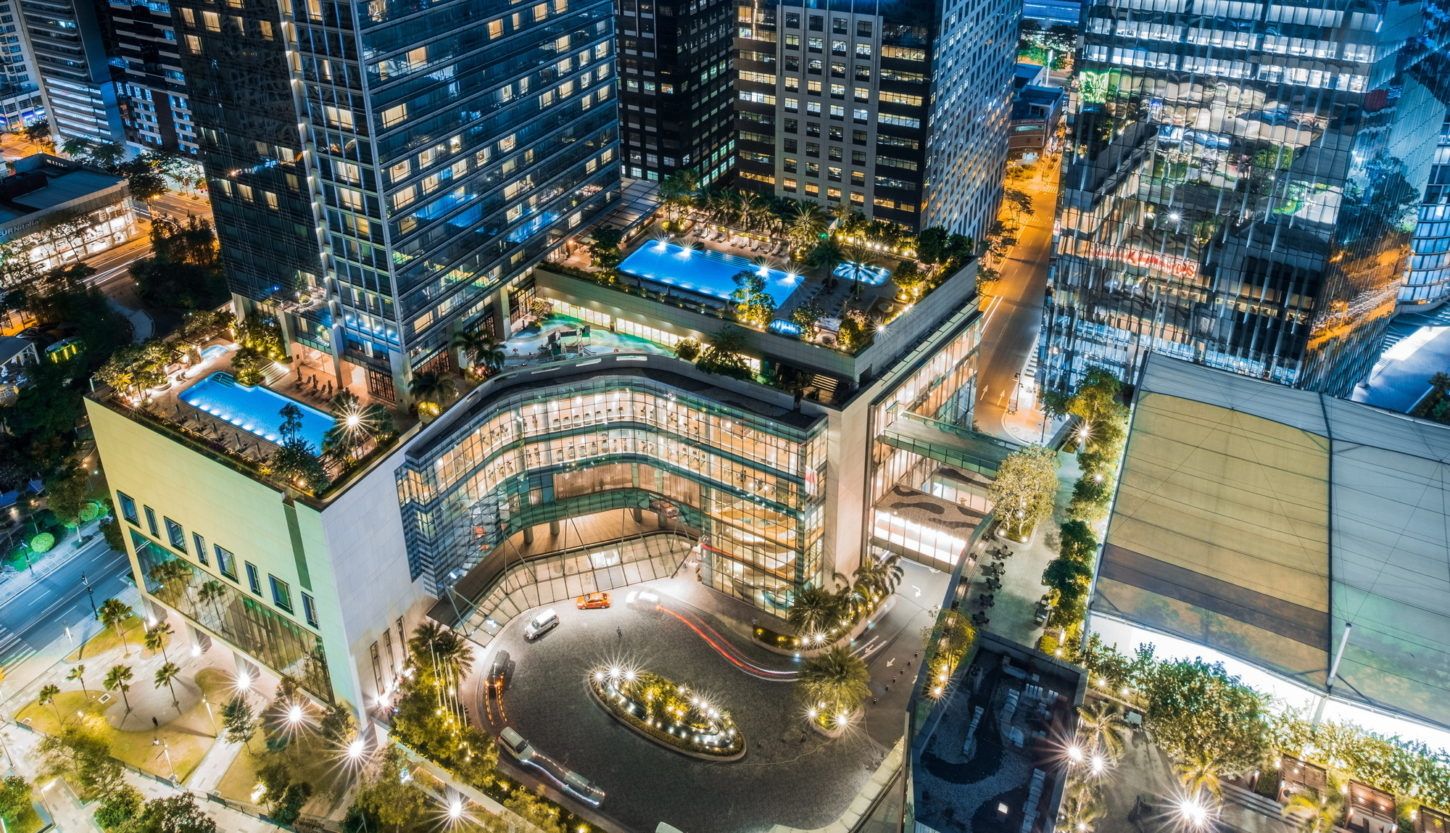
The ASEAN Clean Tourist City Award carries no direct financial incentive. But its indirect value—as a morale boost for residents, a marketing asset for the tourism office, and a signal to international investors and event organizers—is substantial. Iloilo City has already been named Western Visayas’ top MICE destination, and its convention center has attracted hundreds of events. The city’s growing hotel inventory, including Megaworld’s recently opened 405‑room Belmont Hotel Iloilo, now feeds a hospitality sector that directly benefits from the confidence that an ASEAN‑level cleanliness certification instills in group bookers and corporate event planners.
The Iloilo River Esplanade, a 10‑kilometer green corridor that now extends into a 12‑kilometer stretch, functions as both a biodiversity corridor and a tourism asset—a place where residents jog at sunset and tourists photograph mangroves from elevated walkways. The Terminal Market, redeveloped through a public‑private partnership, has become a destination in its own right, drawing tourist vans alongside local shoppers. These are not accidental synergies. They are the product of a governance framework that Ravena and Treñas‑Chu have explicitly linked to the ASEAN standard: cleanliness is not a campaign; it is a system. And the system, as the January 30 award confirms, is working.