From the fertile lands of Pampanga comes a dish that has captured the hearts of Filipinos everywhere—kare-kare, the rich oxtail peanut stew that has become a symbol of family gatherings and culinary excellence.
A Dish Steeped in Rich Culinary Tradition
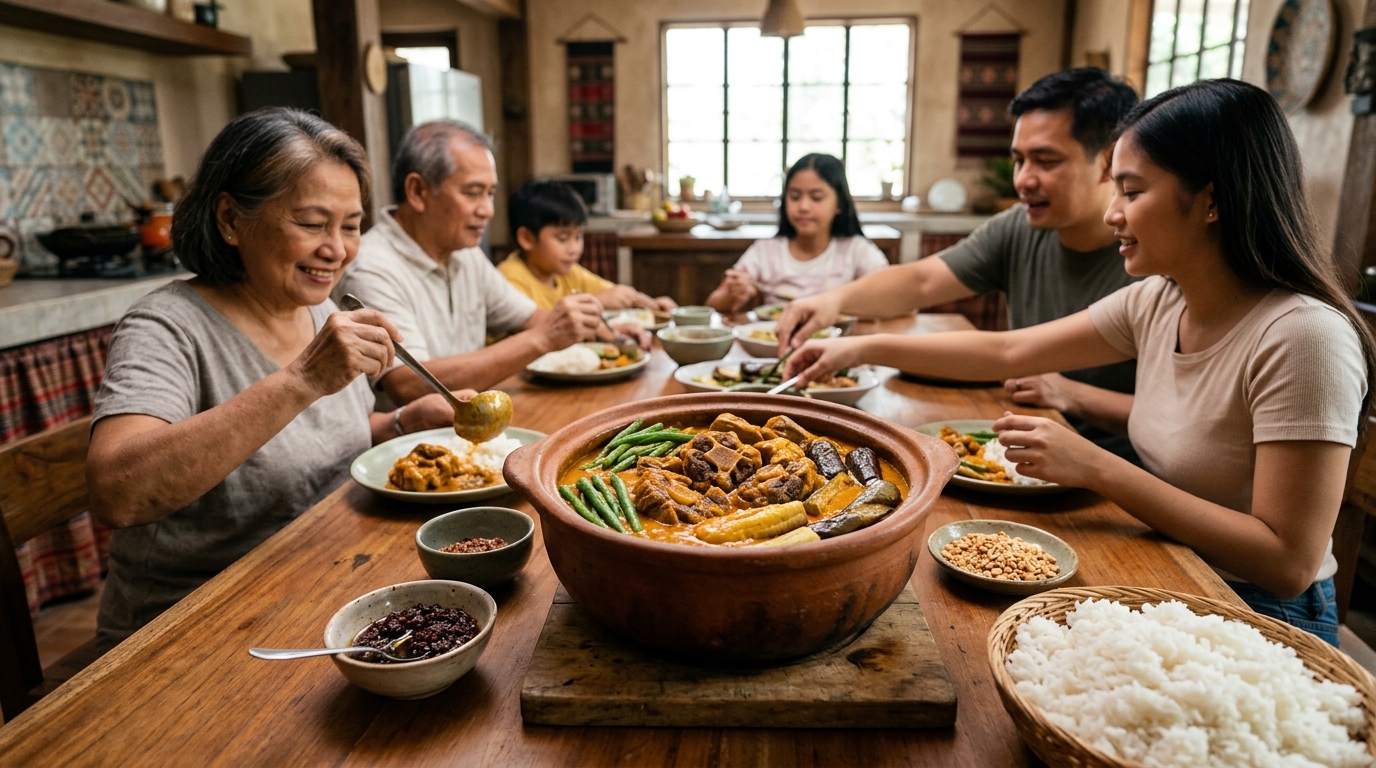
Kare-kare is distinguished by its thick, savory peanut sauce made from ground roasted peanuts or peanut butter, colored with annatto, and thickened with ground toasted rice for a velvety texture that clings perfectly to every ingredient . The dish features tender cuts of oxtail, beef tripe, and pork hocks that are simmered for hours until the meat becomes fall-off-the-bone tender . Vegetables like eggplant, string beans, and banana bud add vibrant color and texture, creating a visually stunning presentation . What truly completes the experience is the ginisang bagoong (sautéed fermented shrimp paste) placed on the side, allowing each diner to control the salty, umami kick that perfectly balances the stew's richness.
Multiple Origins, One Beloved Filipino Classic
Food historians and cultural advocates offer several fascinating narratives about kare-kare's beginnings. The Kapampangan origin theory suggests the dish evolved from a traditional local preparation called kari, inspired by Southeast Asian curries, with early cooks adapting ingredients available in their fertile province . Another popular story traces the dish to Indian sepoys who settled in Cainta, Rizal, during the British occupation of Manila in 1762—homesick for curry, they improvised with local peanuts and annatto to create the stew we now know . Some historians also point to pre-colonial Moro elite origins, noting that kare-kare remains a popular dish in Sulu and Tawi-Tawi . Regardless of its exact beginnings, traditional Filipino fiestas, particularly in the region, are considered incomplete without this hearty stew.
The Kapampangan Touch: Why Pampanga's Version Stands Out
What makes the Kapampangan version of kare-kare truly exceptional is the province's unwavering commitment to culinary excellence. Kapampangan cooks are known for their meticulous attention to detail, from selecting the freshest vegetables to achieving the perfect balance of savory, sweet, and salty flavors in the peanut sauce . The traditional clay pot, or palayok, is still preferred by many Kapampangan households, as it is believed to enhance the depth and richness of the stew . Local families often have their own secret variations—some add a touch of cocoa or use a specific ratio of peanut butter to ground peanuts for a distinct texture . This dedication to perfecting a single dish reflects the broader Kapampangan culinary philosophy: that cooking is not merely about nourishment but about creating lasting memories around the dining table.