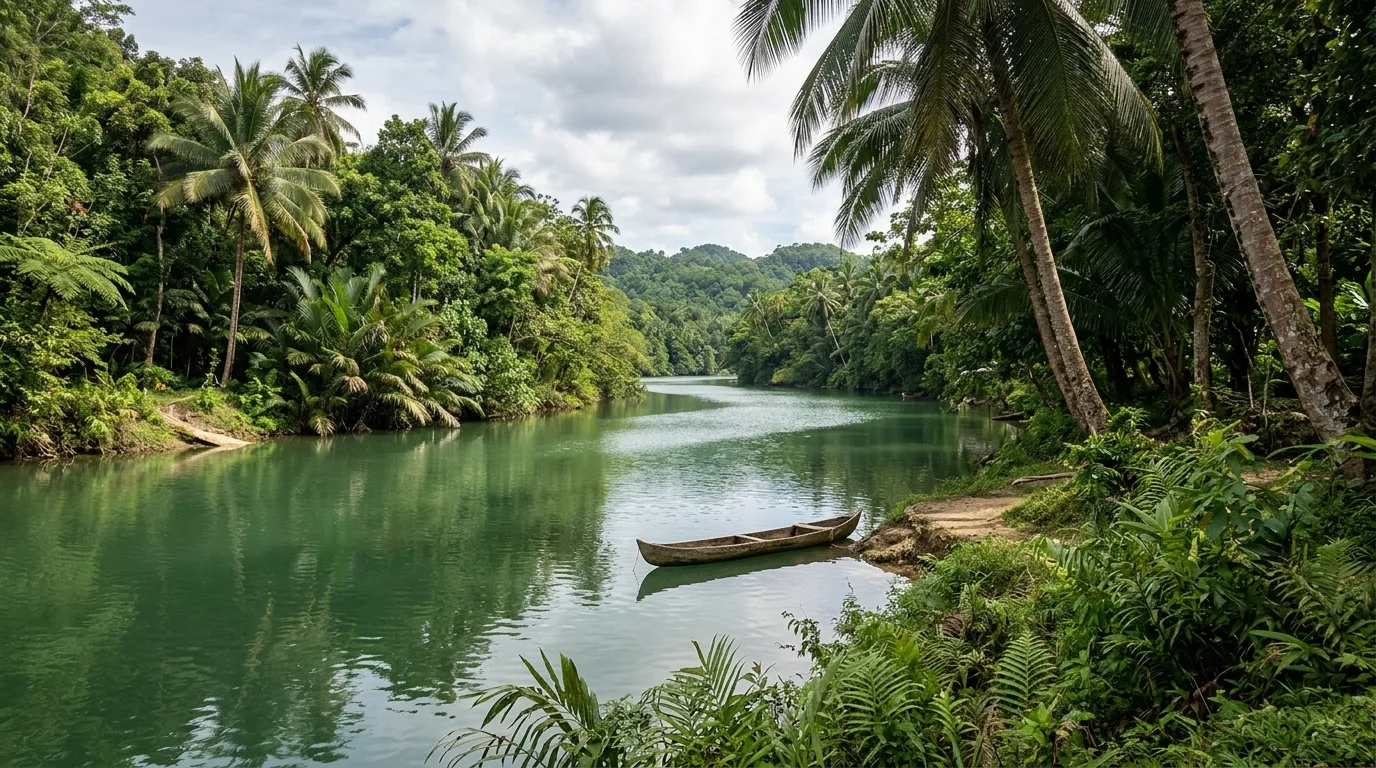
Bohol — The proposed development initiatives for the iconic Loboc River have hit a significant regulatory hurdle, as the Department of Public Works and Highways (DPWH) confirmed that no completed feasibility study or comprehensive master plan exists for the project as of July 3, 2026. During a recent legislative inquiry, regional infrastructure officials disclosed that the absence of these foundational documents prevents the agency from moving forward with funding or actual construction. This revelation has sparked a broader conversation among provincial stakeholders regarding the transparency and planning processes required for high-stakes environmental projects within the Bohol Island Geopark.
Demanding Due Diligence in Geopark Projects
The absence of a master plan raises serious concerns regarding how such a major undertaking was conceptualized and marketed to the public. Experts and environmental advocates have long argued that any intervention in the Loboc River—a site known for its sensitive biodiversity and status as a top tourist destination—must be backed by peer-reviewed environmental impact assessments and technically sound engineering studies. Without a formal feasibility study, the provincial government lacks the data necessary to guarantee that any proposed structures will not exacerbate flooding or permanently damage the river’s ecosystem. The DPWH’s admission serves as a critical check, emphasizing that infrastructure development in a UNESCO Global Geopark cannot rely on conceptual proposals alone.
The Path Toward Responsible Development
In light of these findings, there is a mounting push for the provincial government and DPWH to prioritize the development of a transparent, data-driven master plan that incorporates the voices of local communities and environmental scientists. Legislative leaders are now calling for a moratorium on any further promotion of the project until a proper feasibility study is conducted, approved, and made available for public scrutiny. This "back to the drawing board" approach is essential to ensure that any future enhancements to the river do not compromise the natural beauty that drives Bohol's tourism-based economy. By centering future development on rigorous planning rather than political ambition, the province can better protect its geological and natural assets for the long term.