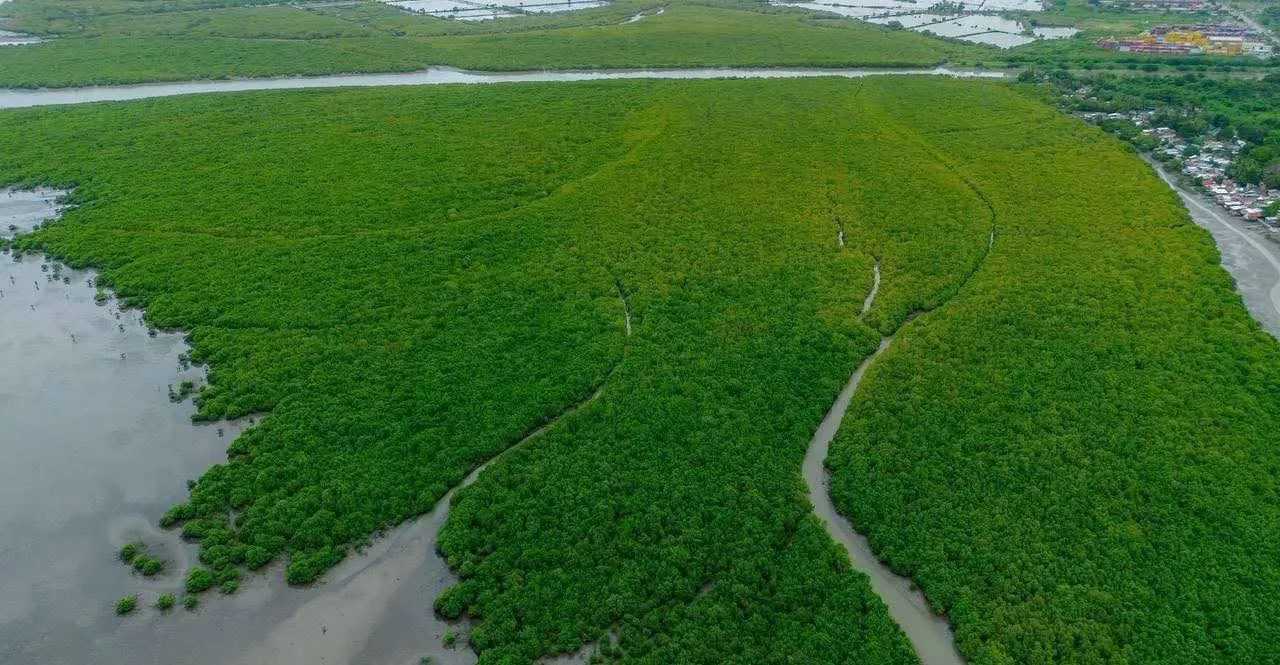
ILOILO CITY — The newly enacted Coastal Greenbelt Zone ordinance is set to reshape Iloilo’s shoreline into a premier eco-tourism destination. By banning all reclamation and mandating a 100‑meter nature buffer, the city preserves over 110 hectares of mangrove forests that double as breathtaking, immersive attractions for travelers seeking authentic, sustainable experiences.
Mangrove Forests Become Living Tourist Attractions
The protected mangrove zones in Barangays Bito‑on, Balabago, and Hinactacan will offer a pristine setting for kayak trails and birdwatching excursions. Visitors can paddle through dense, science‑guided rehabilitated forests that shelter herons, kingfishers, and mudskippers, turning a quiet coastline into a vibrant living classroom.
Boardwalk tours are being planned to let tourists wander through the greenbelt without disturbing delicate roots. The city’s move to draft an IRR with environmental scientists guarantees that these ecosystems remain lush and healthy, creating a year‑round natural spectacle that appeals to families, photographers, and nature enthusiasts.
A Pristine Coastline for Scenic Travel
The 100‑meter no‑build buffer preserves an uninterrupted green wall along coastal roads like Molo Boulevard. Tourists can now enjoy sunset strolls, cycling, and horizon‑gazing without the visual clutter of concrete structures, amplifying the city’s gentle, old‑world charm. This untouched coastal landscape instantly differentiates Iloilo from over‑commercialized beach destinations.
The ordinance explicitly prohibits any artificial land expansion, ensuring that the panoramic sea views remain unblocked. For the tourism sector, this means the city’s seaside cafes, heritage promenades, and boutique inns can market a genuinely protected oceanfront experience that aligns with global trends favoring destinations with strong environmental integrity.
Community‑Based Eco‑Tours Empower Locals
Registered artisanal fisherfolk are legally permitted to continue traditional, non‑destructive practices within the greenbelt. This provision opens the door for community‑led tourism products such as sustainable fishing demonstrations, crab trap workshops, and mangrove‑planting immersions that allow visitors to contribute directly to conservation efforts.
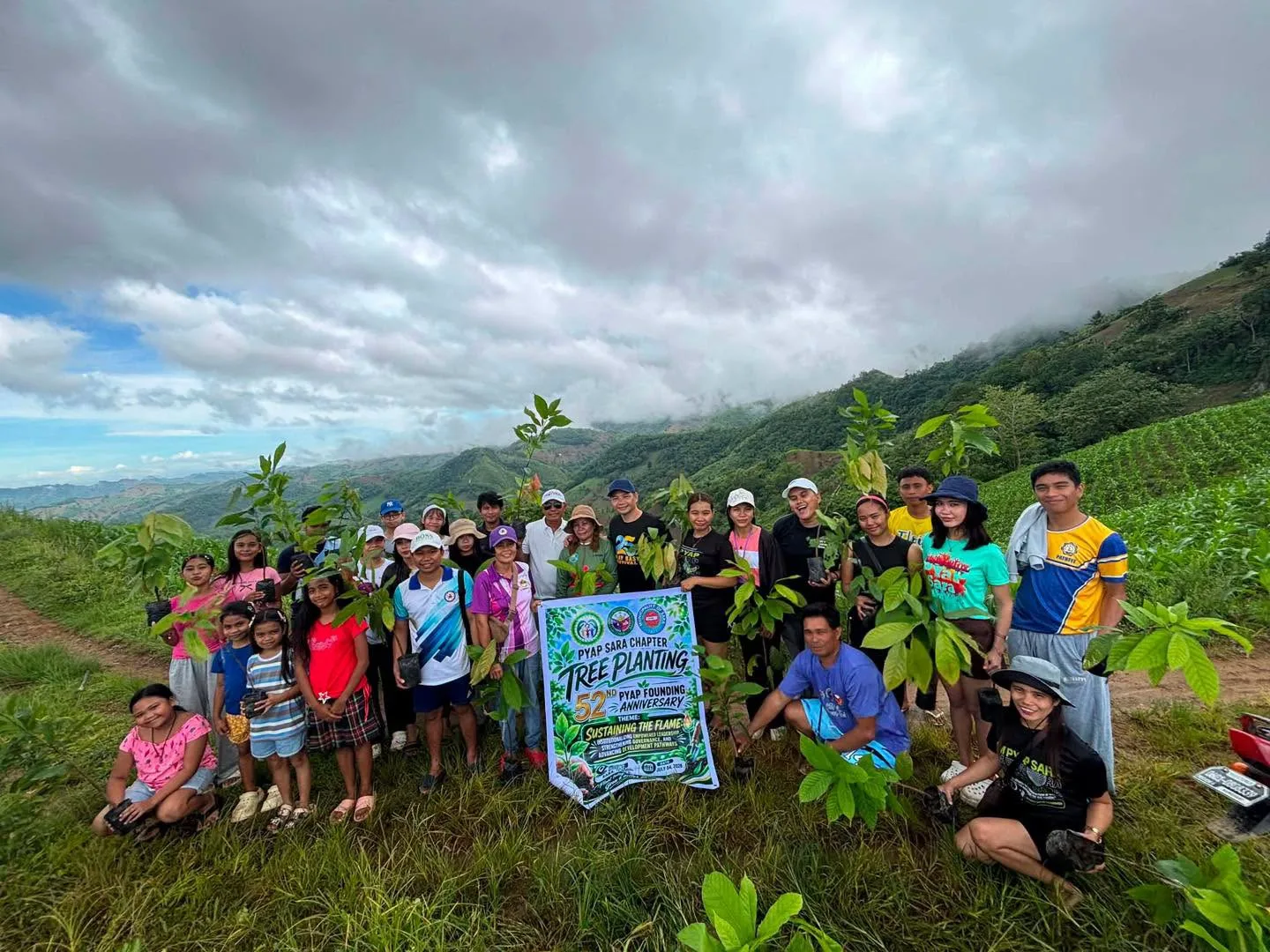
By keeping tourism revenue within coastal barangays, the ordinance fosters a people‑centered, inclusive model. Travelers gain rare, intimate access to local livelihoods, while the community’s economic stake in protecting the mangroves deepens, creating a self‑reinforcing cycle of care and hospitality.
A Climate‑Resilient Destination Emerges
The science‑guided restoration of the greenbelt serves as a living laboratory for climate adaptation, attracting academic travelers and eco‑volunteers. Iloilo’s forward‑thinking approach positions it as a case study for sustainable coastal tourism, where protecting storm‑surge barriers also builds a unique leisure identity.
Mayor Raisa S. Treñas emphasized that the IRR will be crafted with experts to ensure the buffer zone withstands extreme weather. For travelers, this translates to a destination that is not only beautiful but also resilient and responsible—a compelling combination in an era of climate‑conscious travel choices.