DUMAGUETE CITY — A short stroll along the 780‑meter Rizal Boulevard unravels more than a century of stories etched into weathered lampposts and ancient talisay trees. The promenade is not merely a scenic postcard; it is the emotional and historical anchor of the city Dr. Jose Rizal himself described as gentle.
The Day a National Hero Stopped to Walk
In July 1892 and again in August 1896, Rizal set foot on this very coastline during stopovers en route to and from exile in Dapitan. He spent hours simply walking, observing the rhythm of local life and the warmth of the people. Those unhurried moments crystallized into words that would forever brand the city.
His observation that Dumaguete’s inhabitants possessed a uniquely gentle spirit became the city’s enduring identity. The boulevard, then a modest seawall, absorbed that history in silence. In October 2024, that silence gave way to permanence when an eight‑foot bronze statue of Rizal was unveiled at Pantawan People’s Park, gazing toward Dapitan.
Pantawan People’s Park Extends the Legacy
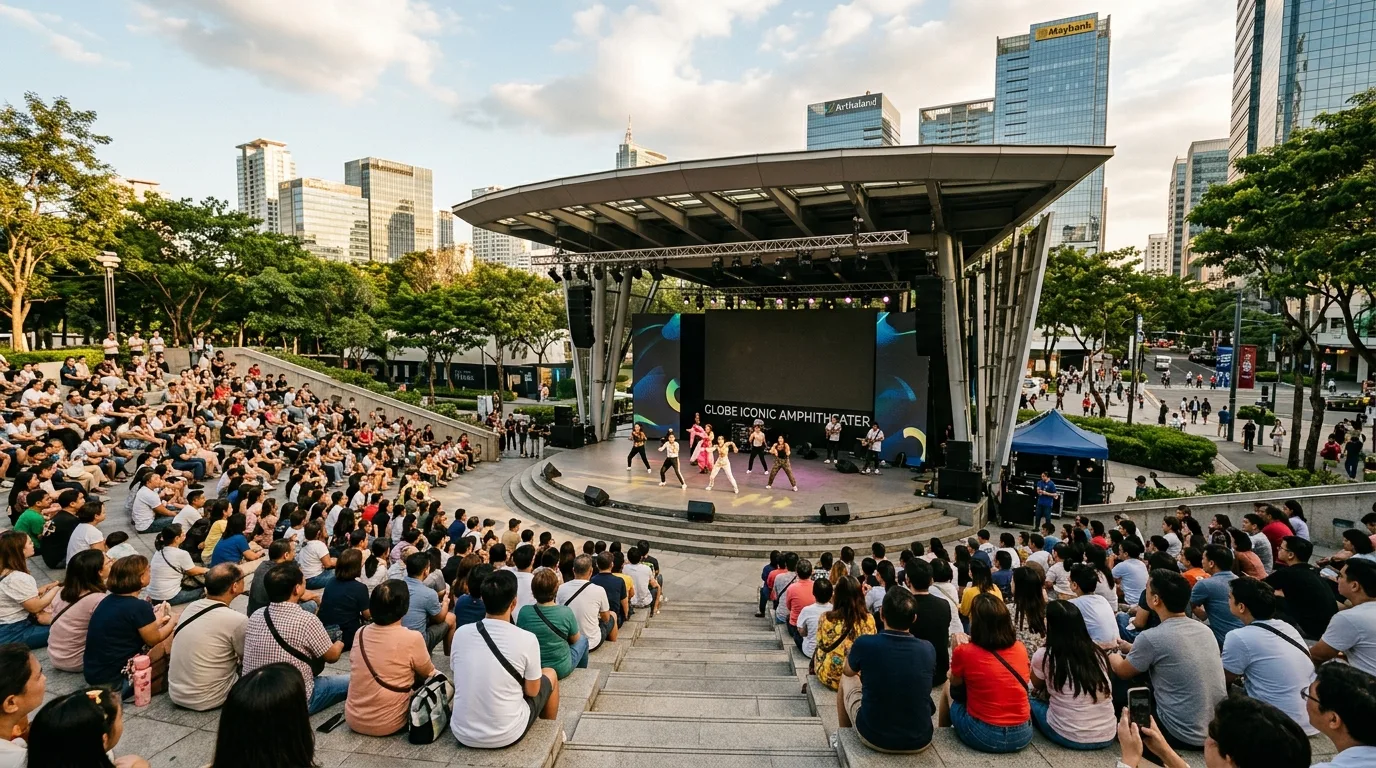
The coastal reclamation project that created Pantawan People’s Park did not strip the boardwalk of its old‑world soul. Instead, it added a sweeping public plaza that hosts cultural festivals, eco‑tourism events, and weekend gatherings. Families spread picnic mats where waves once crashed against a narrow embankment.
The park’s design deliberately preserves sight lines to Dumaguete Bay. The bronze Rizal monument on its granite pedestal marks the historical spot where the hero walked. The extension proves that heritage conservation and modern urban needs can coexist without one diminishing the other.
Mornings Belong to Joggers and Fishermen
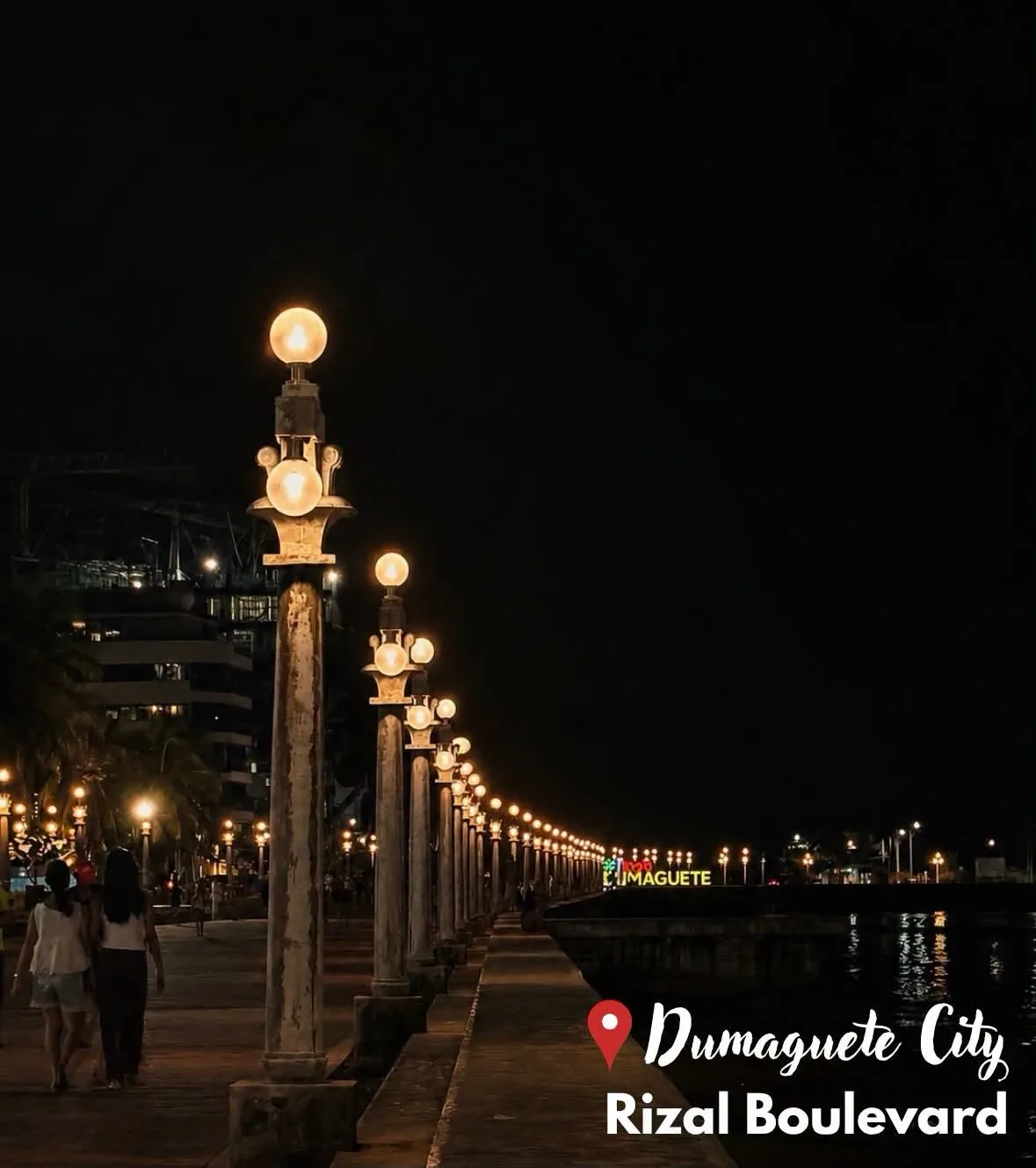
Dawn at the boulevard begins with the rhythmic footfalls of joggers and the creak of outrigger boats pushing into the bay. University students from nearby Silliman University claim the benches, reviewing notes against the soundtrack of gentle waves. The rising sun casts an amber glow on vintage lamp posts that have illuminated the strip since the American colonial era.
Elderly residents perform tai chi on the grass while vendors arrange fresh coconuts along the curb. The early hours offer a quiet intimacy, a window into the city’s daily heartbeat before the tourist crowds arrive. Every sunrise here reinforces why locals consider the boulevard their collective living room.
Nightfall Transforms the Strip into a Feast
As the sun sets, the boulevard undergoes a complete sensory transformation. The aroma of sizzling tempura and vinegar‑dipped balut fills the air as vendors set up plastic stools and low tables along the designated night‑market stretch. The glow of string lights and old‑fashioned street lamps illuminates a lively, egalitarian dining scene.
Tourists and residents sit shoulder to shoulder, sharing plates of crispy squid rings and fresh fruit shakes while watching the moon rise over the harbor. The boulevard’s culinary landmarks, including the legendary Sans Rival Cakes & Pastries, draw visitors seeking silvanas and butter‑laden delicacies. This nightly ritual turns a historic promenade into an open‑air feast accessible to everyone.
A Front Porch for the City’s Soul
Rizal Boulevard endures as more than infrastructure; it is a living diary of Dumaguete’s identity. The heritage trees that canopy the walkway have witnessed colonial transitions, wartime anxieties, and the rise of a vibrant university town. Their roots intertwine with the city’s collective memory.
The promenade now functions as the main stage for the annual Sandurot Festival and countless smaller celebrations. Whether one arrives for a morning jog, an afternoon pastry, or an evening of street food, the boulevard delivers the same quiet message Rizal received over a century ago: this city knows how to welcome strangers gently.