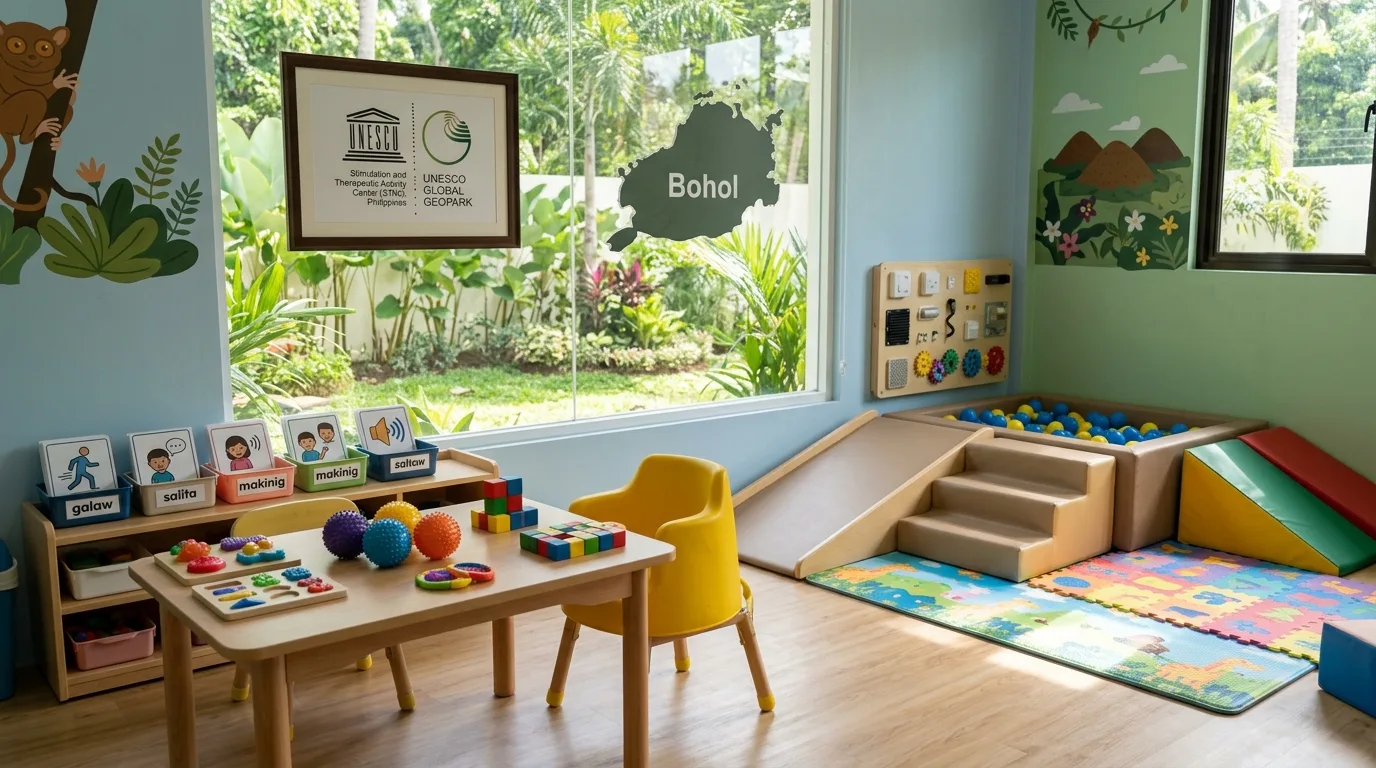
Bohol — The Provincial Government of Bohol, under the steadfast leadership of Governor Aris Aumentado, has taken a significant step toward inclusive healthcare by intensifying its medical support for children with disabilities. Throughout the latter half of June 2026, the Office of the Provincial Social Welfare and Development (OPSWD) facilitated specialized consultations through the Stimulation and Therapeutic Activity Center (STAC) Bohol. This initiative underscores the province’s commitment to providing vulnerable sectors with direct access to expert medical care, ensuring that developmental health remains a priority in Bohol's governance.
Bridging the Gap in Specialized Care
Access to specialized medical intervention is a critical challenge for families of children with disabilities, particularly in provinces where sub-specialists may be scarce. From June 15 to 30, 2026, STAC Bohol addressed this by mobilizing a team of expert practitioners to provide comprehensive assessments. Consultations covered neurology, physiatry, and eye, ear, nose, and throat (EENT) care, delivered by Dr. Edgardo Epe, Dr. John Paul Sepe, and Dr. Theodore Dumaluan. By bringing these specialists together at STAC Bohol and the Holy Name University Medical Center, the provincial government ensured that children received thorough evaluations regarding their communication, learning, and mobility, while also monitoring their individual developmental progress.
Building an Inclusive UNESCO Geopark
This initiative is a tangible reflection of Bohol’s Strategic Governance Roadmap, which prioritizes social equity as the province solidifies its status as a UNESCO Global Geopark. Beyond simply providing medical appointments, STAC Bohol offers a year-round suite of services, including physical and occupational therapy, special education, and behavioral modification programs tailored for children aged 0 to 14. These programs are deeply rooted in parent-empowerment models, emphasizing that the involvement of families is the most effective way to sustain rehabilitation gains. By investing in these specialized services, the provincial government is fostering a more resilient community where no child is left behind in the province’s march toward progress.
A Sustainable Support Ecosystem
The success of the June outreach highlights the provincial government’s proactive approach to welfare delivery, moving beyond administrative routine to meet the specific clinical needs of its constituents. By partnering with local medical institutions like Holy Name University, the PGBh is creating a reliable network that lightens the financial and logistical burden on families. As the province continues to enhance its disability-inclusive programs, officials remain focused on scaling these services to reach rural municipalities where rehabilitation resources are often limited. Through these consistent efforts, Bohol is not only nurturing the well-being of its children but also building a compassionate, integrated system that sets a standard for local governance in the Philippines.