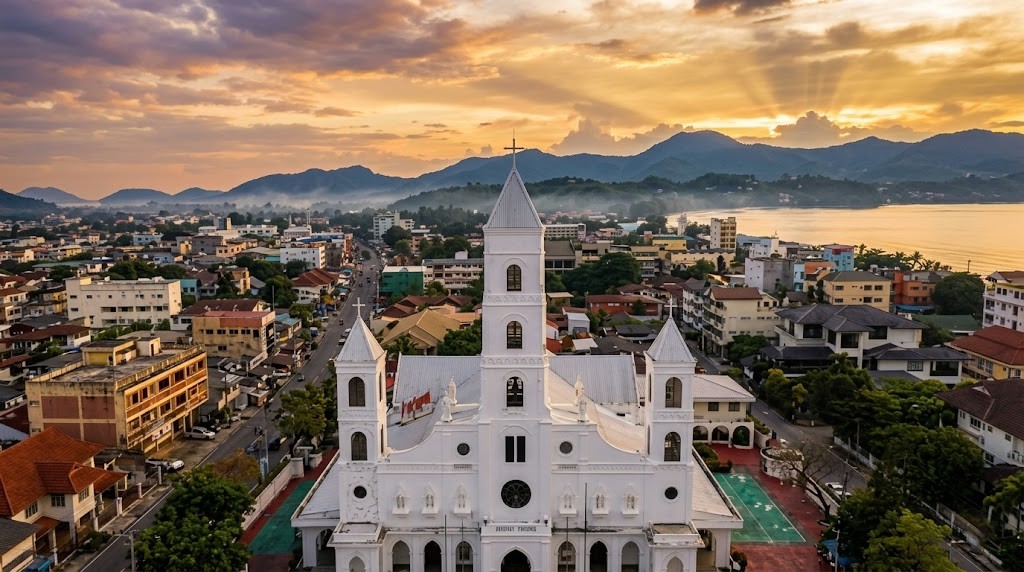
BOHOL — The Provincial Government of Bohol, alongside the Governance for Climate and Disaster Resilience (Gov-CDR) and stakeholders, concluded a validation workshop on May 26, 2026, charting a long-term strategy to safeguard the Loboc River Tourism System from intensifying climate threats.
A Tourism Lifeline Under Growing Climate Stress
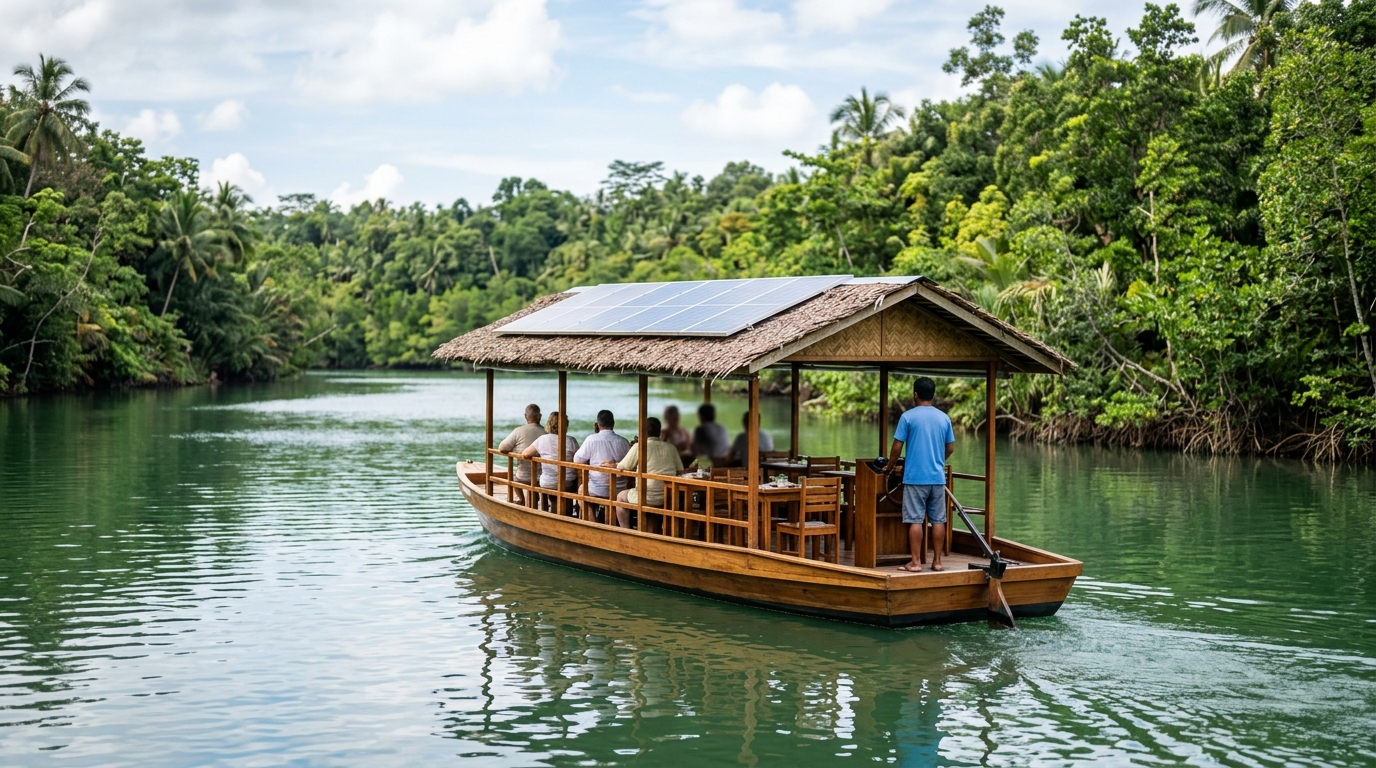
The Loboc River, famous for its floating restaurants and serene cruises, has long anchored Bohol’s tourism economy. Yet extreme weather, flooding, and environmental degradation have repeatedly disrupted operations, most notably during Typhoon Odette when raging waters crippled the river fleet.
Today, climate models predict more intense rainfall and longer dry spells, putting livelihoods and visitor experiences at risk. Without decisive, science‑based intervention, the river’s ability to sustain tourism could erode. The workshop squarely addressed these vulnerabilities, moving from assessment to action.
Three Strategic Pillars for Resilience
Stakeholders structured the Loboc River Tourism System resilience plan around three interconnected pillars. Ecological restoration tackles the root causes of flooding and erosion, while infrastructure and safety upgrades aim to protect assets and lives. Institutional strengthening ensures that decisions rest on reliable data and community involvement.
The pillars are designed to reinforce each other. Healthy watersheds reduce the need for costly flood control, and informed governance makes every investment more effective. This integrated approach reflects a shift from reactive disaster response to proactive, sustainable tourism planning.
Restoring Nature’s Defenses
Under ecological restoration, stakeholders proposed bioengineered riverbank stabilization and strict riparian zoning to prevent erosion. Reforestation of upland areas will curb the torrents that sweep downstream, protecting both riverine communities and tourism infrastructure. Strengthened enforcement of zero‑waste policies and water quality standards aims to keep the Loboc River pristine.
A detailed flora and fauna inventory, mapping of riverbank zones, and tree‑growing programs will begin immediately. These measures not only preserve the scenic beauty that draws visitors but also enhance biodiversity. For tourists, a healthy river means cleaner waters and more vibrant wildlife sightings.
Modernizing Infrastructure for Safety
The second pillar targets the physical backbone of river tourism. Plans include flood control engineering that works with natural contours, construction of climate‑resilient docking facilities, and the design of safer, adaptive river boats. By upgrading the famous Loboc floating restaurants and cruise vessels, the province ensures they can withstand extreme weather.
Additional sewage treatment plants will address pollution at its source. The goal is to maintain uninterrupted tourism operations even during heavier monsoon seasons. For travelers, these upgrades promise a safer and more reliable experience, while operators benefit from reduced damage and downtime.
Data‑Driven Institutions and Community Power
A centralized data bank will pool information from multiple agencies, allowing real‑time flood warnings and science‑based decision‑making. Stakeholders committed to formal data‑sharing agreements and research partnerships with academic institutions, fostering continuous innovation.
Community engagement forms the final layer of institutional strengthening. By involving riverside residents in early warning systems and conservation efforts, the plan builds local ownership. When communities understand and support resilience measures, tourism thrives on a foundation of shared responsibility.
A Geopark-Wide Commitment to Sustainable Tourism
The Loboc River initiative directly supports the Capitol’s Strategic Change Agenda on Environmental Protection and Resilience. As part of the Bohol Island UNESCO Global Geopark, the river’s protection aligns with broader sustainable tourism goals. The plan demonstrates how nature‑based solutions and data‑driven governance can coexist, securing both economic benefits and ecological integrity for generations.