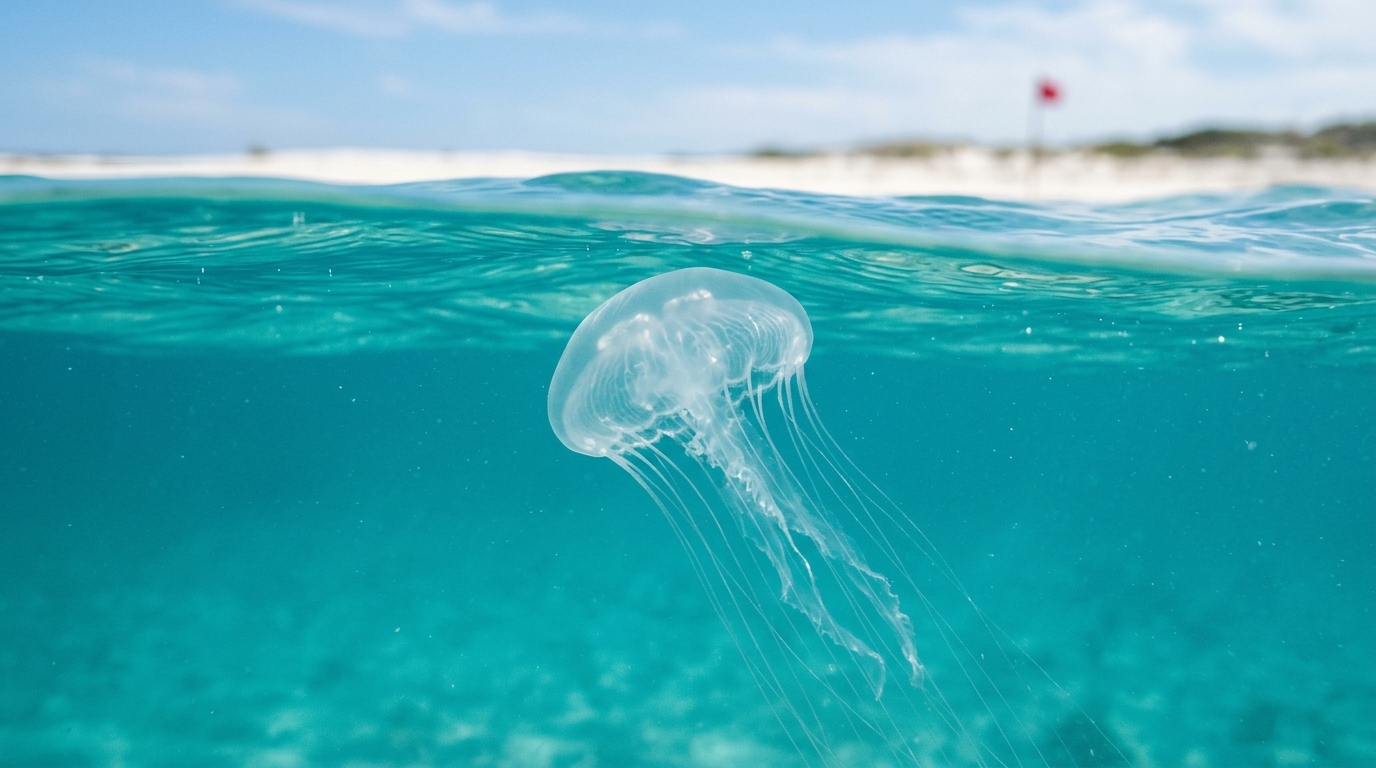
PANGLAO, BOHOL — The Department of Tourism has identified several coastal hotspots in Bohol where jellyfish sightings have become more frequent this summer. The advisory named Panglao Island, Anda, and Dauis as areas where visitors should exercise caution. The Bureau of Fisheries and Aquatic Resources Region 7 attributes the increased presence to seasonal changes in water temperature and food availability.
BFAR-7 Senior Fishing Regulations Officer Johann Friedrich Tejada explained that jellyfish are highly dependent on specific temperature ranges. "Ang number one nato gi-consider ang temperature, and food availability sa organism," he said during the OpenLine News Forum on June 9. Jellyfish move along water columns that provide favorable conditions, appearing near shorelines when temperatures shift. The sightings have been consistent over the past three summers.
What Tourists Need to Know
For beachgoers, the advisory serves as a timely reminder to stay vigilant. Tejada advised swimmers to keep their distance from jellyfish. "Generally ang advise namo, kung naay jellyfish palayo na lang ka, keep your distance, stay away from the organism," he said. Box jellyfish are among the most dangerous species, and deaths from stings have been reported, though exact figures remain unavailable.
If stung, applying a hot compress can help manage the effects of stinging cells. BFAR stressed the importance of public information campaigns and coastal management measures. Tourists are urged to check with local resorts and tourism offices for real-time updates before entering the water. The DOT advisory empowers visitors to make informed decisions without dampening their enjoyment of Bohol's world-famous shores.
Balancing Safety and Marine Ecology
The advisory comes as local governments grapple with how to manage jellyfish swarms without harming the marine ecosystem. In neighboring Lapu-Lapu City, personnel were instructed to collect jellyfish using nets. Tejada acknowledged the difficult balance between public safety and ecological considerations. "I cannot condemn the LGU for taking that action if it requires public safety na gyud," he said.
He recommended that LGUs coordinate with the Department of Environment and Natural Resources to ensure proper management. The sightings highlight the complex interplay between climate change, ocean dynamics, and marine life. As water temperatures continue to shift, jellyfish may appear in different locations each year, making adaptive management essential for sustaining Bohol's tourism appeal.
A Safe and Enjoyable Beach Experience
Despite the advisory, Bohol's beaches remain open and welcoming to visitors. The province is committed to ensuring a safe experience for everyone while protecting its rich marine biodiversity. Resorts in Panglao, Anda, and Dauis are well-informed and prepared to guide guests on safe swimming practices and provide first aid if needed.
By staying aware and respecting local guidance, tourists can continue to enjoy Bohol's pristine waters and stunning coastlines. The jellyfish advisory is not a cause for alarm but a reminder to appreciate nature's rhythms while prioritizing personal safety. For those planning a trip, the message is clear: come, enjoy, and stay informed.