
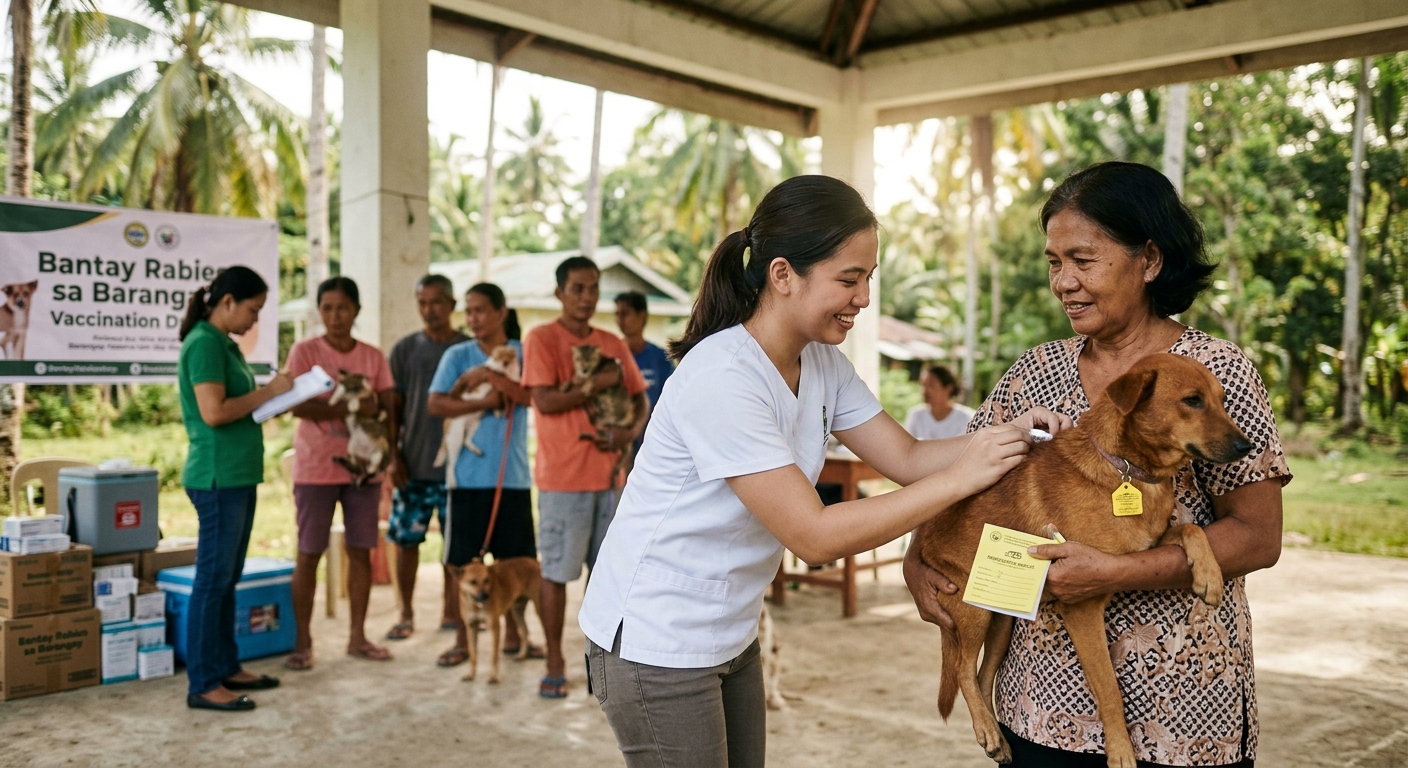
Bohol is currently taking a aggressive stand on public safety with the finalization of a revamped Anti-Rabies Ordinance during the first week of May 2026. Spearheaded by Board Member Mutya Kismet Tirol, the proposed law seeks to institutionalize the "Bantay Rabies sa Barangay" program across all 1,109 barangays in the province. This legislative move is a direct response to a rise in animal bite cases, aiming to restore the province's status as a rabies-free zone by 2030. For the 2026 resident and visitor, this means a more regulated and safer environment where responsible pet ownership is not just encouraged, but legally mandated.
A Bottom-Up Approach to Public Health
The core of the new ordinance is the decentralization of animal control, giving barangay officials the authority and budget to conduct localized vaccination drives. By training "Para-Veterinarians" within every village, the province is ensuring that even the most remote mountain communities have access to life-saving vaccines for their pets. This "Community Shield" approach aims to replicate the success of the 2010 program that briefly made the island rabies-free. It is a sophisticated effort to integrate modern veterinary science with traditional community leadership to protect the most vulnerable—specifically children, who make up 62% of bite victims.
Stricter Penalties for Stray Management
The 2026 revision introduces significant fines for owners who allow their pets to roam freely in public spaces, a move designed to reduce the "stray" population in tourist hubs like Panglao and Tagbilaran. On May 5, health officials noted that managing the dog population is the "Primary Line of Defense" in preventing the spread of the virus. This regulation is being paired with mandatory microchipping or tagging for all pets, allowing for easier traceability and accountability. For the general public, this means a future where evening walks through town centers are no longer shadowed by the fear of aggressive, unvaccinated animals.
The Education Pillar for 2030
Beyond enforcement, the ordinance mandates a province-wide education campaign focused on "WHO Category 2" exposure response. Local health centers are being equipped to provide immediate, standardized treatment, including the 15-minute soap-and-water wash protocol that is critical for survival. This "Knowledge-First" strategy ensures that every Boholano knows exactly how to act if an incident occurs, reducing the fatality rate to zero. As the week concludes on May 8, the legislative momentum is being viewed as a gold standard for other island provinces, proving that a safe environment is the best foundation for a thriving society.