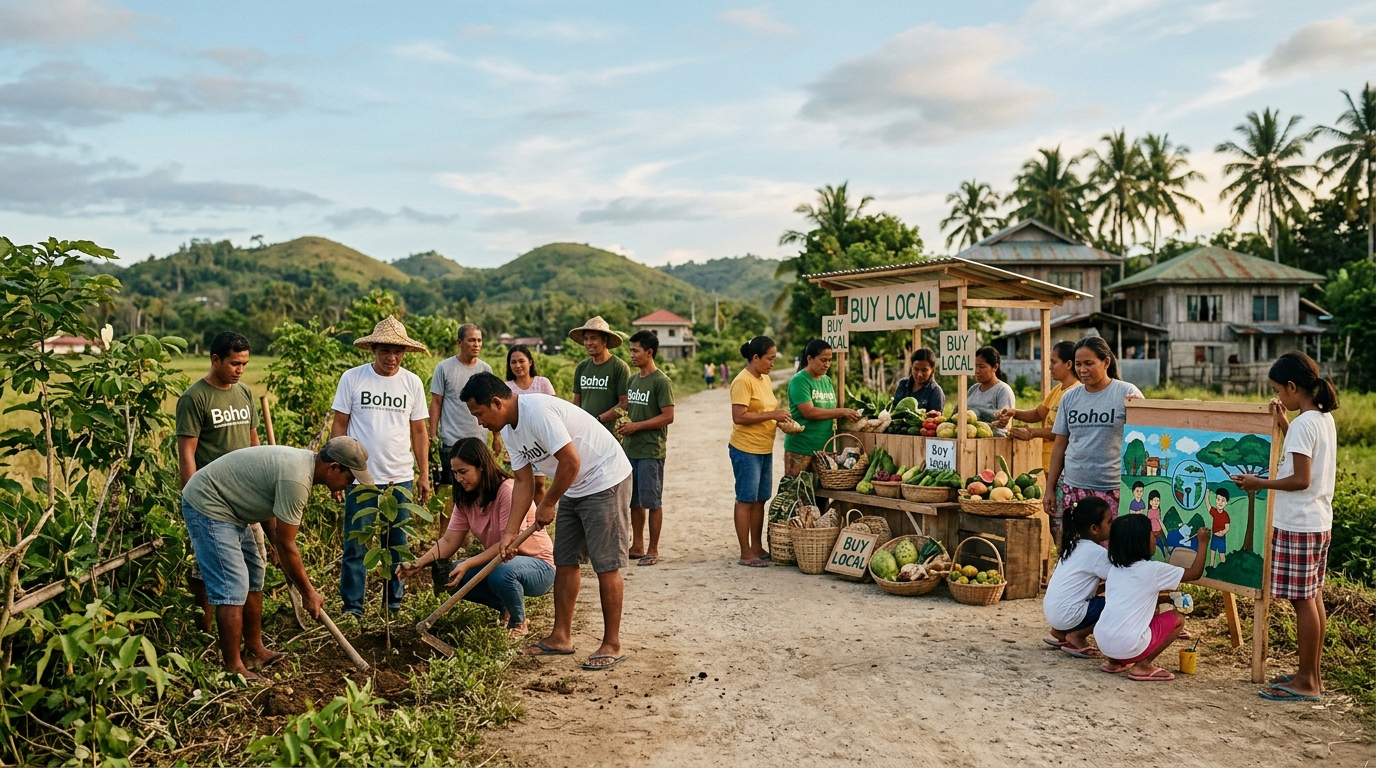
In a push for inclusive conservation, Bohol launched new livelihood programs on 2026, specifically for communities living within protected areas. These programs are designed to provide sustainable income to "nature guardians" who protect the habitats of the Philippine Tarsier and other local species. By turning conservation into a viable career, the province is ensuring that its most iconic wildlife is protected by the people who live closest to them.
Real-Time Data for Preservation
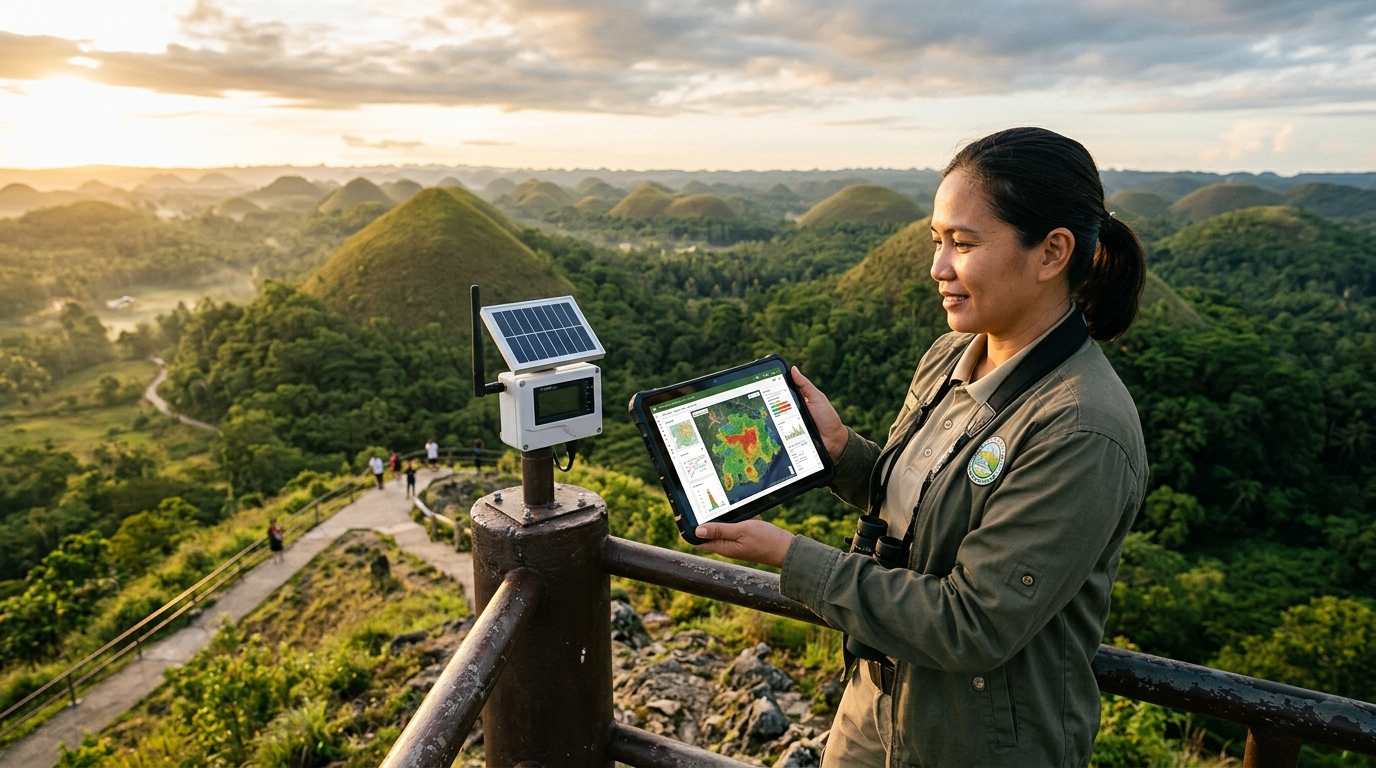
The new system uses a network of sensors and data analytics to provide a "live pulse" of the province's most sensitive geological areas. Provincial administrators can now view real-time maps of visitor concentrations, allowing them to redirect traffic to less-crowded spots and prevent ecosystem stress. This move is a necessity for maintaining the delicate balance between high tourism revenue and environmental integrity. Governor Aumentado noted during the launch that this technology ensures the Chocolate Hills remain pristine for the next generation of explorers.
Enhancing the Visitor Experience
For travelers, the system integrates with a new mobile application that provides live updates on site availability and weather-specific travel tips. The platform also features automated feedback components that allow visitors to report service disruptions directly to provincial authorities. This digital layer transforms a standard tour into a modern, interactive journey, making the science of the Geopark accessible to all. By mid-2026, Bohol is positioning itself as the most technologically advanced island in the Visayan archipelago.
Building a Global Blueprint
Regional delegates have praised the initiative as a global blueprint for how protected areas can leverage digital tools for conservation. The data collected will not only assist in local management but will also be shared with international geological research communities to study long-term sustainability. This open-data approach fosters global collaboration on climate resilience and sustainable land use. As Bohol moves forward, it proves that preserving the past is best achieved through the technologies of the future.