
A quiet retirement plan in the hills of Loon, Bohol, transformed into a massive agricultural rescue story on Sunday, May 17, 2026, as the Loon Small Coconut Farmers Agriculture Cooperative gained national business attention. At the center of this movement is 59-year-old Ma. Reina Perez, a former corporate leader who moved to the province seeking peace but chose instead to reorganize the town’s struggling smallholder coconut farms. Under her guidance, the cooperative abandoned raw copra trading entirely, investing instead in specialized processing setups to manufacture premium, high-value coconut derivatives. This grassroots industrial upgrade is turning aging farming zones into highly profitable, self-sustaining businesses.
From Raw Copra to Premium Processing Markets
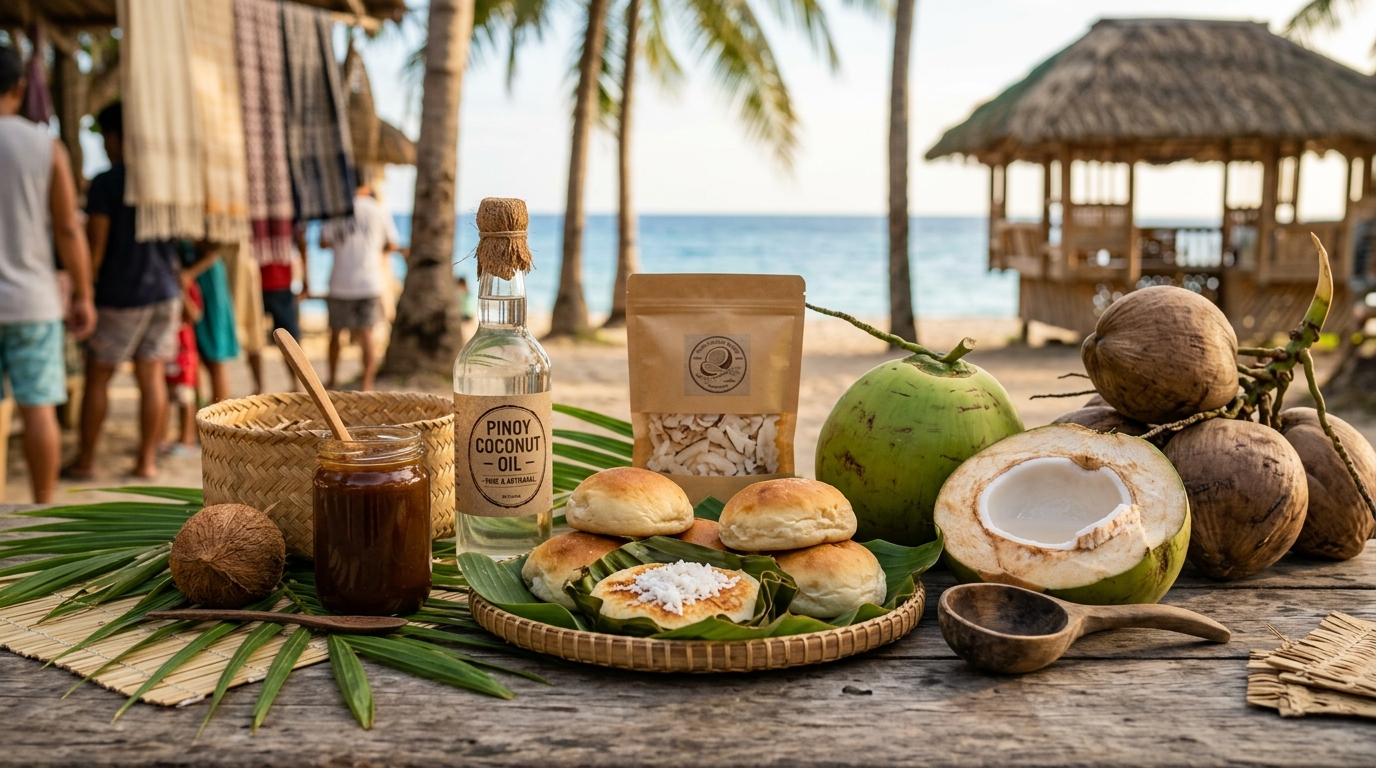
For generations, small farmers in Loon were trapped in a cycle of low wholesale prices, selling raw copra to middle brokers who controlled the margins. Perez used her corporate experience to overhaul the group's financial structure, securing small equipment grants to process virgin coconut oil and organic husks directly in the village. This localized processing allows farmers to retain over sixty percent of the final consumer value that used to go to city distribution firms. The cooperative’s processing facility now serves as a lively center of daily employment for young locals who previously left for urban cities.
Corporate Strategy Meets the Soil
The transition required shifting the mindset of traditional land tenants, teaching them how to maintain consistent quality metrics and implement modern accounting practices. Perez introduced transparent bookkeeping systems that distribute profits back to the farming families based on their actual raw material contributions. This clear equity model has restored trust in the cooperative structure, prompting more landowners to join the collective network. Agriculture experts are pointing to the Loon model as proof that rural farming communities can become self-reliant when backed by professional management.
Protecting Upland Land Values from Overdevelopment
As luxury real estate developments spread along the coast, creating profitable agricultural models helps protect the interior farmlands from being prematurely sold off to commercial developers. The rising incomes from the coconut cooperative allow families to keep their ancestral lands while financing better educations for their children. Upland farming groups are now looking to expand their operations into eco-friendly farm tours, showing visitors the traditional and modern ways of processing coconuts. Loon’s success shows that the future of the island's interior depends on modernizing its agricultural heritage.