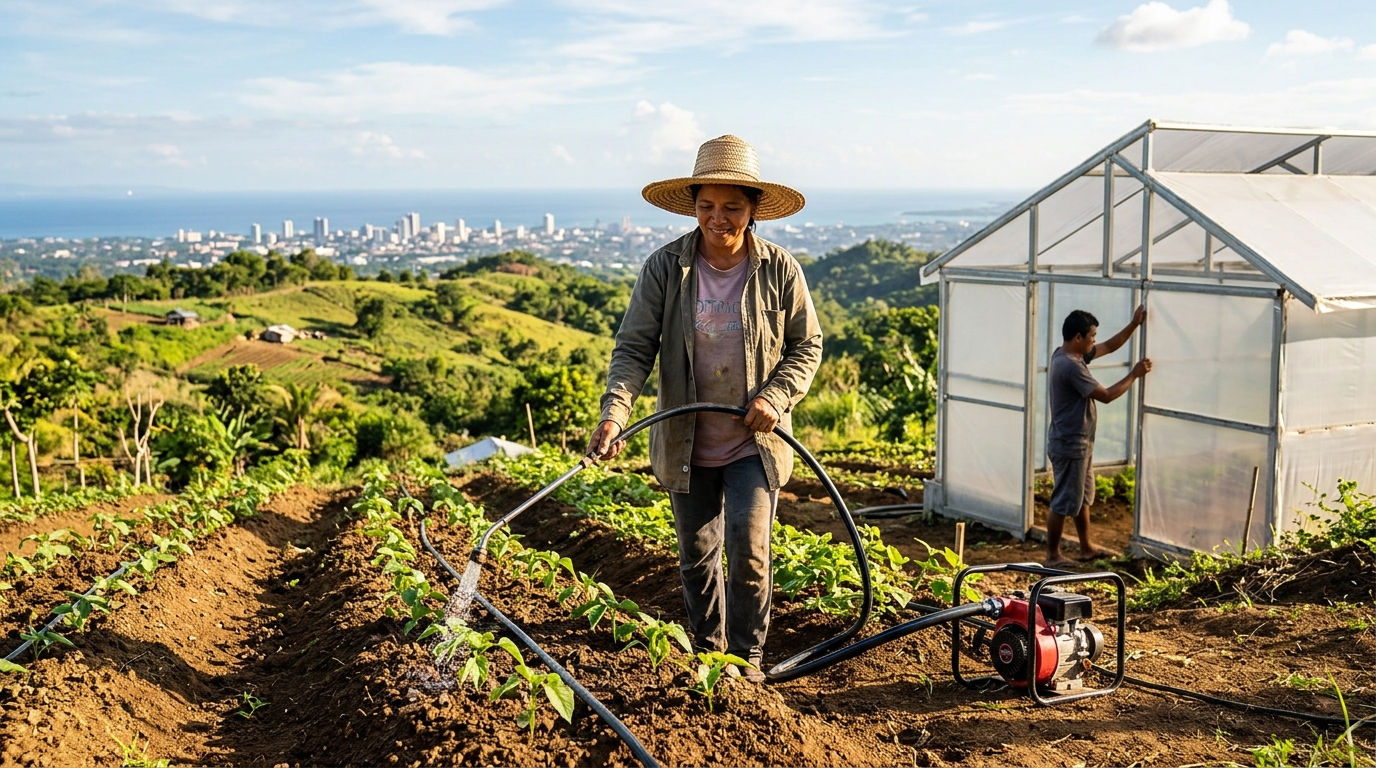
Cebu — The Cebu City Agriculture Department (CAD) has proactively allocated ₱30 million for El Niño mitigation, intensifying assistance for the city’s 13,000 registered farmers. Recognizing the threat that a prolonged dry spell could pose to local crops, the department has shifted its focus to irrigation support, greenhouse expansion, and climate-resilient farming techniques. This departmental budget, separate from the standard calamity fund, ensures that farmers have the tools—such as water pumps, hoses, and drought-resistant seeds—needed to keep their operations running. This forward-thinking strategy is aimed at securing the city’s food supply and protecting the livelihoods of those working in the mountain barangays.
Strategic Resource Distribution
The assistance program is not a one-size-fits-all solution; it is designed to cater to the specific needs of farmers located in both the lowlands and the mountainous regions. By distributing water pumps and hoses to irrigation-needy areas and installing greenhouse units in the north, the department is providing tailored support. This targeted approach allows the city to maximize the utility of its ₱30-million budget, ensuring that farmers are not only equipped to survive the drought but are also empowered to thrive despite it. Constant coordination with barangay officials helps the department identify which farms require the most urgent attention.
Embracing Climate-Resilient Practices
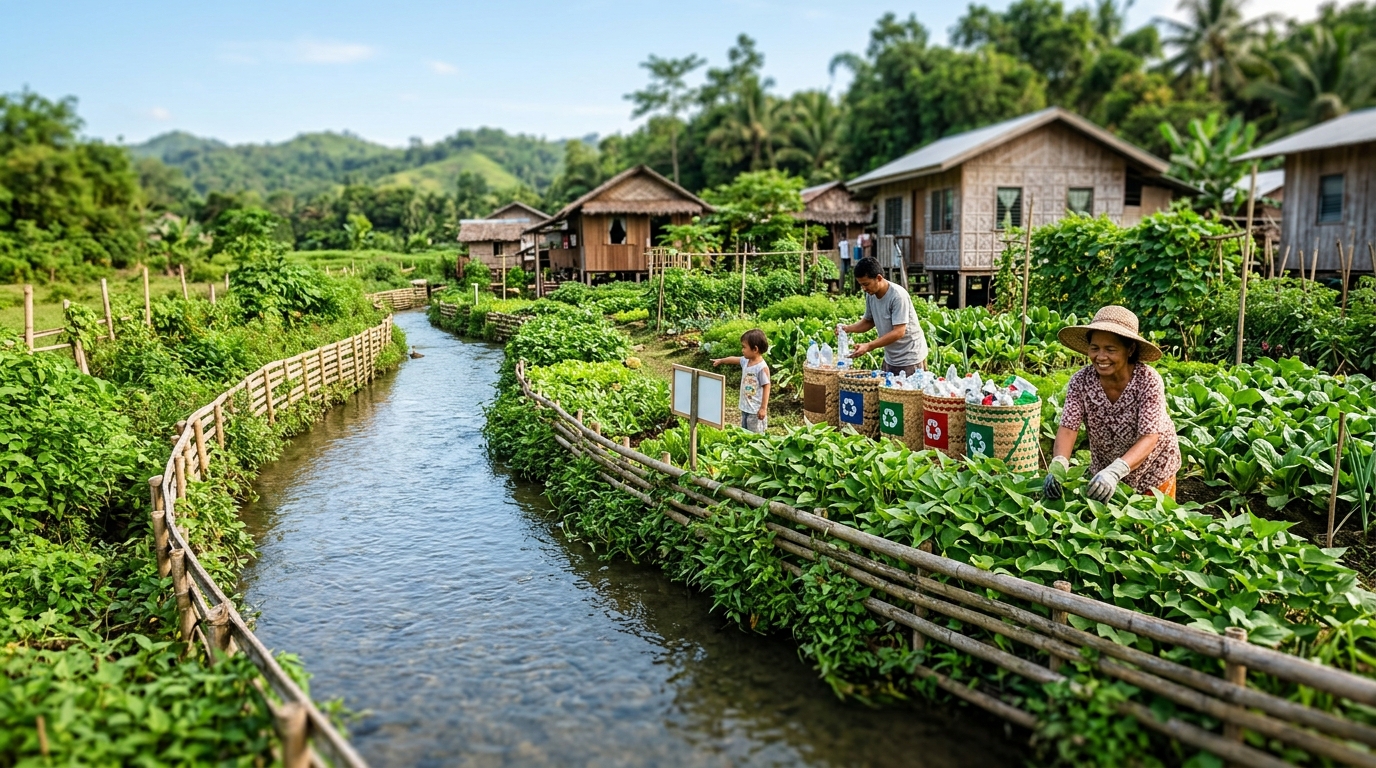
A core component of the department’s current work is educating farmers on the benefits of sustainable and organic agricultural practices that are inherently more resilient to weather fluctuations. By offering technical training and consulting services, the city government is helping to modernize the skill set of its agricultural workforce. This long-term commitment to climate-smart farming is part of an effort that has been developing since 2022. It represents a deeper shift toward a more scientific, data-driven method of managing local agriculture against the uncertainties of a changing climate.
Securing the City’s Food Future
With the agriculture department also providing transportation services to help farmers bring their harvests to city markets, the program covers the entire value chain. This support ensures that farmers can remain profitable even during the leaner months, providing a level of stability that was previously difficult to achieve. The goal is to keep the local food ecosystem robust, preventing price spikes for consumers by keeping produce levels steady. This comprehensive support system is essential for maintaining the balance between the needs of the city and the hard work of its agricultural backbone.