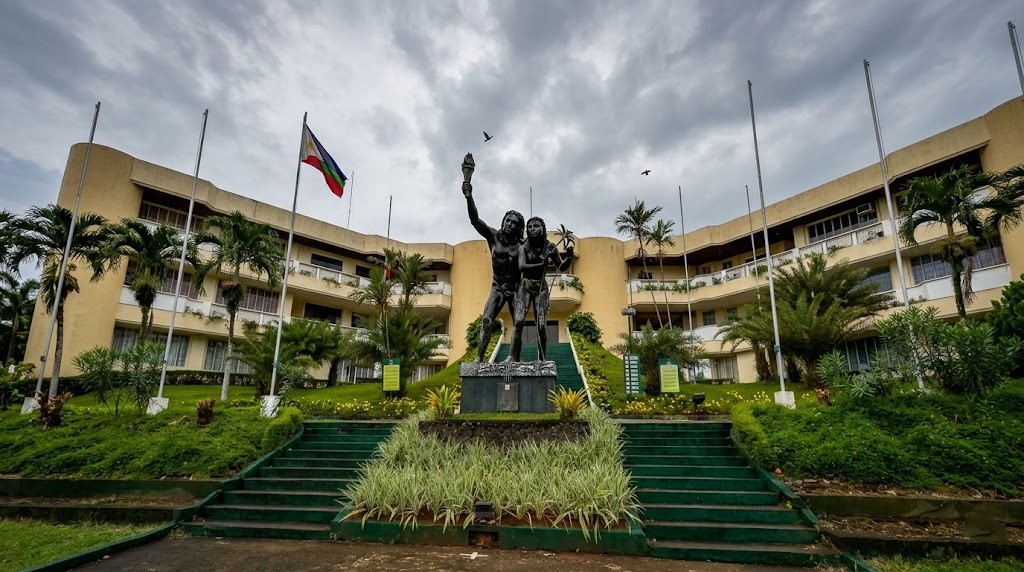
Davao — The Department of the Interior and Local Government (DILG) has officially recognized Davao City for its adherence to the "Good Financial Housekeeping" (GFH) standards, marking 15 consecutive years of this distinction. This milestone reflects the city’s disciplined approach to fiscal management, budget transparency, and the responsible use of public funds. Such long-term recognition provides a solid foundation for the city’s ongoing infrastructure and social development projects, as it builds immense trust with investors and national funding agencies. It is a testament to the city's consistent adherence to audit compliance and administrative best practices.
Building Trust Through Discipline
Maintaining such high financial standards over a decade and a half is no small feat and requires the dedicated work of multiple city departments. By consistently passing these audits, the city ensures that every peso is accounted for and directed toward the programs that matter most to the public. This consistency has become a hallmark of the city's identity, separating it as an example for other local government units across the Philippines. Such administrative integrity is the quiet engine behind the city’s ability to attract new business and secure funding for its various developmental projects.
Sustainability in Public Service
Fiscal health is directly linked to the city's ability to launch new, sustainable projects that benefit the community without creating long-term debt burdens. The GFH status serves as a validation that the city’s planning is as sound as its execution, allowing leaders to focus on the future rather than cleaning up past financial errors. When resources are managed efficiently, the city can reallocate surplus funds toward critical areas like public health, education, and social welfare. This responsible cycle is what allows Davao to maintain its pace of progress despite changing national economic conditions.
A Standard for Future Growth
As the city moves into the next phase of its urban development, this track record of excellence will be essential for navigating large-scale infrastructure projects. Investors looking for stability in their partnerships often point to the city’s audit records as a key reason for their confidence in the region. The commitment to financial transparency is essentially an investment in the city’s reputation, ensuring it remains an attractive destination for both private business and government-backed initiatives. By prioritizing these boring but vital standards, the city ensures its own long-term prosperity.