A humble jar of fermented rice and shrimp is now the secret weapon of the Philippine dining scene. Kapampangan-style samgyupsal—which pairs Korean barbecue with buro—has taken the national culinary scene by storm, offering diners a tangy, probiotic-rich dip that cuts through fatty pork belly in ways that traditional ssamjang never could .
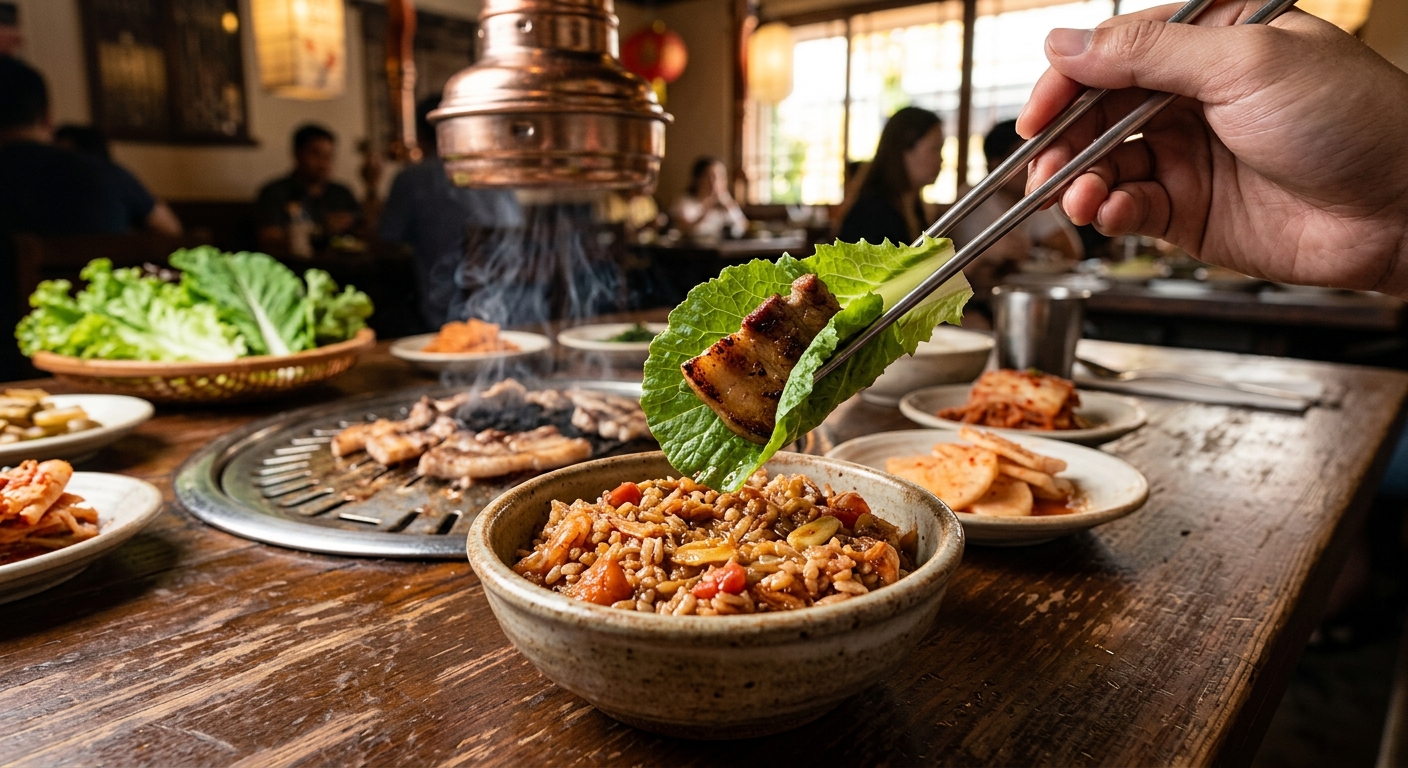
The concept is simple but brilliant. Instead of reaching for sesame oil or gochujang, diners wrap their grilled samgyeopsal in fresh mustard leaves and dip it in sautéed buro—a pre-colonial Filipino fermentation technique that combines rice with freshwater fish (burong isda) or shrimp (burong hipon) . The sharp, sour tang of the fermented rice perfectly balances the rich, fatty profiles of unseasoned pork belly and beef, creating a flavor combination that has diners coming back for more.
From Pre-Colonial Tradition to Modern Fusion
Buro—also known locally as balô-balô or tag-iló—has been part of Kapampangan cuisine for centuries . The fermentation process combines cooked rice with either freshwater fish or shrimp and salt, then allows the mixture to ferment for 7 to 14 days . During this time, lactic acid bacteria convert the rice's sugars into lactic acid, creating a tangy, savory profile with a distinctive pungent aroma .
Before serving, the fermented mixture is sautéed in an abundance of cooking oil with garlic, onions, and tomatoes—a step that tempers the strong fermented funk while preserving its probiotic benefits . The result is a warm, savory, slightly sour dip that pairs surprisingly well with grilled meats. Many unlimited Korean BBQ chains across Pampanga have embraced this trend, officially including sautéed buro in their side dish and condiment selections alongside traditional kimchi and pickled radishes.
Science-Backed Health Benefits Add to the Appeal
The buro trend isn't just about flavor—it's also about function. A groundbreaking study by University of the Philippines Diliman researchers discovered that burong isda from Arayat, Pampanga, harbors powerful probiotic bacteria with remarkable health benefits . The study isolated Limosilactobacillus fermentum strains from Kapampangan buro, finding that these bacteria can survive acidic and bile-rich conditions similar to the human stomach and intestines—a crucial trait for any effective probiotic.
The research, published in early 2026, revealed that these bacteria possess genes that help attach to gut cells, support immune responses, and even produce B vitamins . Most excitingly, the team discovered that natural products from these strains can inhibit harmful fungi like Candida albicans and Aspergillus fumigatus . For diners who consider gut health when making food choices, buro offers a compelling reason to try this fermented delicacy beyond its unique taste.
Where to Experience the Trend
Across Pampanga, Korean BBQ restaurants have taken note. In Mabalacat City, Samgyup Burp has become a local favorite for unlimited Korean BBQ, serving the classic samgyeopsal experience with a complete set of side dishes . The restaurant's popularity among young Kapampangans reflects the growing appetite for Korean cuisine in the province—and savvy diners have started bringing buro from home or requesting it from accommodating staff.
For those who prefer the DIY route, pre-packaged buro is readily available from regional markets and online platforms. The preparation is straightforward: sauté the fermented mixture in oil with garlic, onions, and tomatoes until fragrant, then serve alongside freshly grilled pork belly and mustard leaves. The combination has become so popular that some restaurants now advertise "buro sets" alongside their samgyupsal offerings, proving that Kapampangan cuisine can hold its own against any international trend . For food tourists visiting Pampanga, this fusion represents a uniquely local way to enjoy a global favorite.