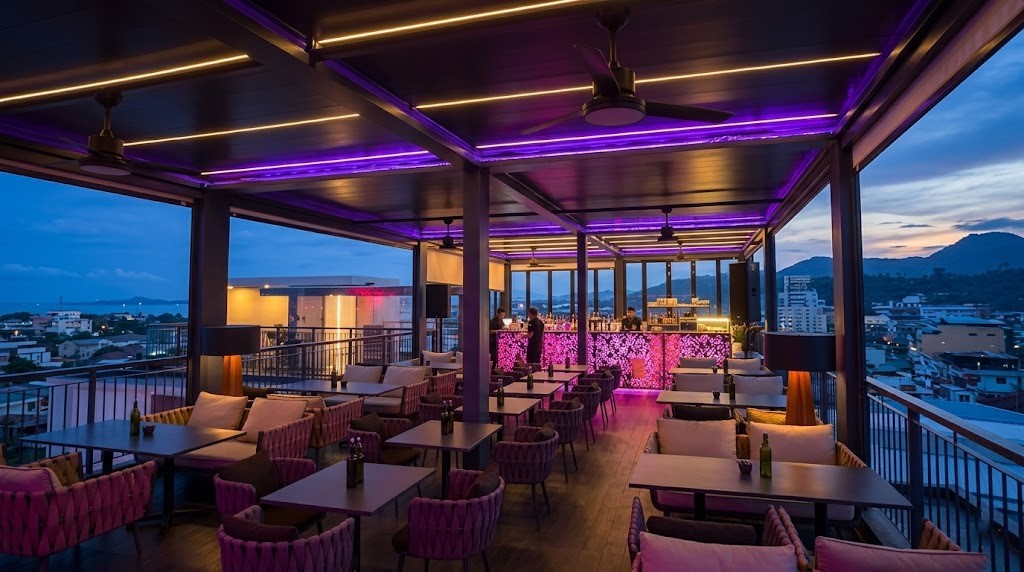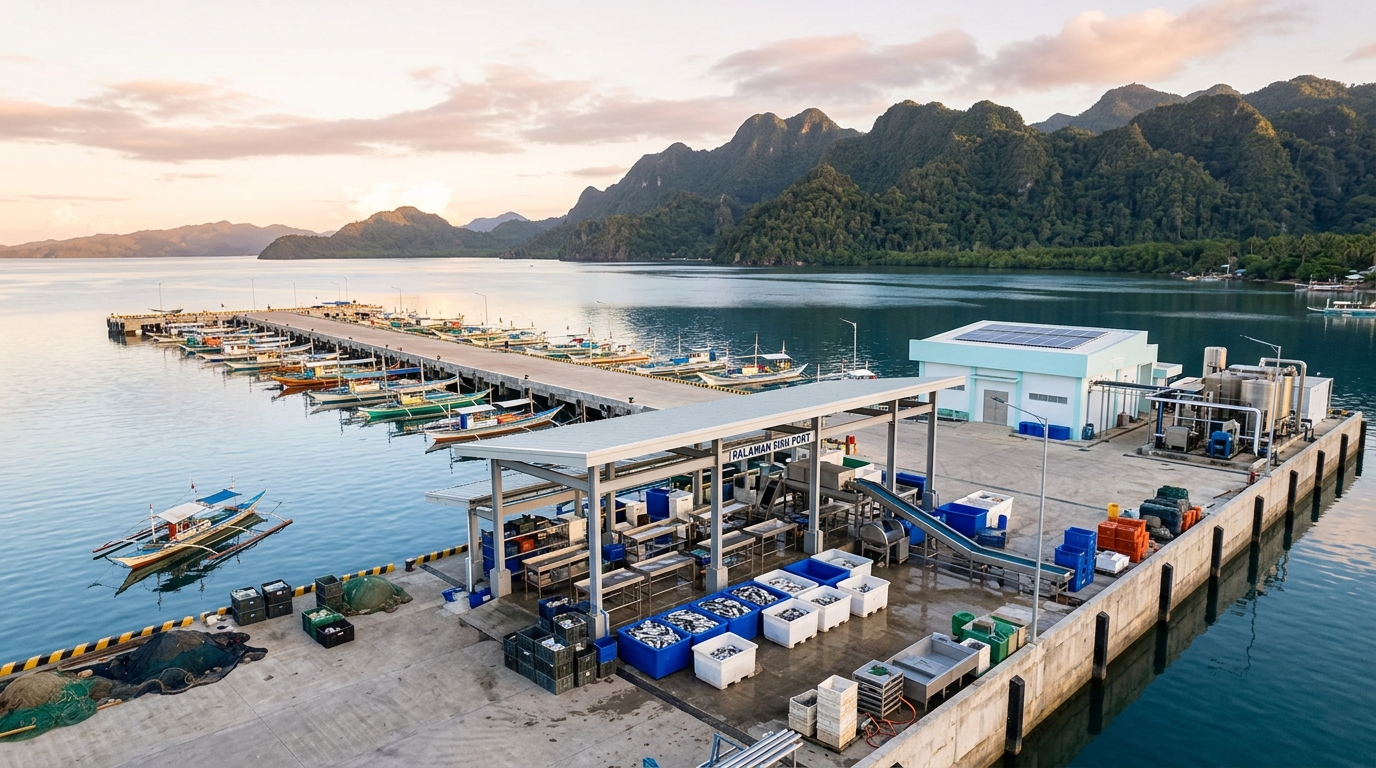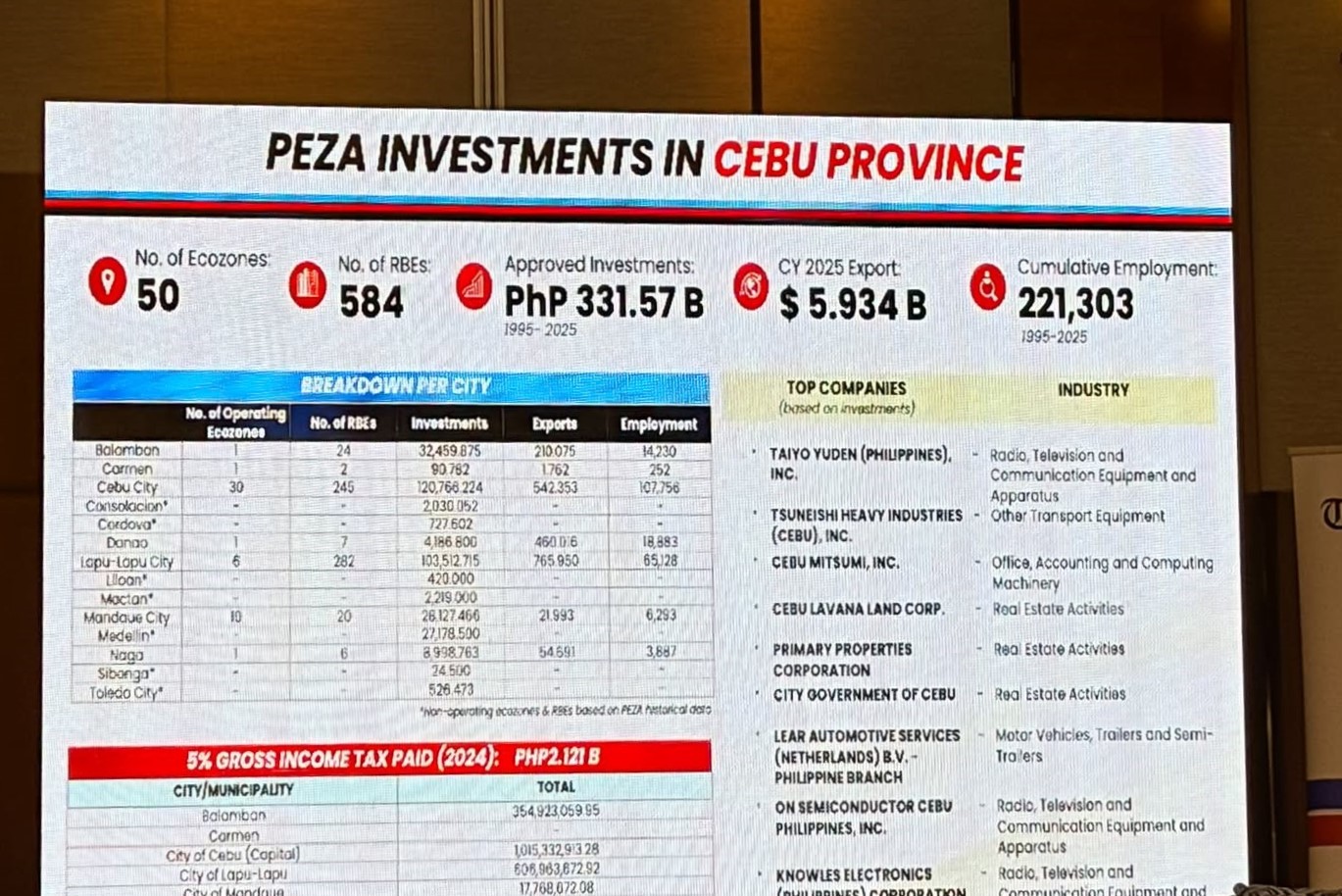
CEBU CITY — Business leaders, tourism executives, and policy makers gathered at the Radisson Blu Cebu on June 23, 2026, for The Manila Times Cebu Business & Tourism Forum. Under the theme “Padayon Cebu: Accelerating Momentum, Securing Prosperity,” the event paired celebration of Cebu’s economic gains with frank discussions about the roadblocks threatening its momentum.
A Gathering for Cebu’s Future
Cebu Chamber of Commerce and Industry President Regan Rex King opened the forum by underscoring Cebu’s solid fundamentals. The province’s economy expanded by 7.2 percent, supported by a 63.9 percent labor force participation rate and nearly 100,000 graduates annually. Its IT parks, export processing zones, and strategic port infrastructure have made it a magnet for locators and investors.
Yet King stressed that sustaining this trajectory demands more than celebrating numbers. He urged the private sector to move from being spectators to becoming active builders of solutions. The forum’s “Padayon Cebu” call to action meant confronting uncomfortable truths before they erode the province’s competitive edge.
Confronting the Energy Gap
The most urgent discussion centered on Cebu’s widening power supply deficit. Panelists warned that electricity demand is climbing by roughly 150 megawatts each year, while available capacity lags dangerously behind. Business leaders emphasized that recurring brownouts and grid alerts are already making investors uneasy.
Experts at the forum projected that Greater Cebu will need at least 1,000 megawatts of new capacity within the next two years to keep industries running. While projects like the Therma Visayas coal plant expansion and an 80‑megawatt wind project in Alegria offer partial relief, speakers agreed they are insufficient. The consensus called for accelerated permitting and diversified renewable energy investments.
Gridlock and Transit Urgency
Transportation bottlenecks also took center stage. Unlike Metro Manila, Cebu has not yet reached irreversible gridlock, but panelists warned the window for decisive action is closing fast. The stalled progress of the Bus Rapid Transit system was cited as a prime example of how poor coordination between national agencies and local government delays critical infrastructure.
Business groups urged a unified transit master plan that integrates road expansions, modern jeepneys, and active mobility lanes. The forum highlighted that efficient movement of goods and workers directly affects the bottom line of industries clustered in Mactan and Cebu City. Without immediate intervention, congestion could choke the very growth the province aims to secure.
Turning Waste into a Resource
Rapid urbanization has outpaced Cebu’s waste management capacity, creating both an environmental and economic liability. Stakeholders pushed for accelerated adoption of waste‑to‑energy technologies and stronger enforcement of segregation laws. They framed the issue as a public‑private partnership opportunity rather than a burden.
Proper waste management, panelists argued, can unlock new revenue streams while preserving the natural assets that underpin Cebu’s tourism appeal. The forum positioned the challenge as a chance to pioneer circular economy models that other provinces could replicate. Private sector participants expressed readiness to invest if regulatory frameworks become more predictable.
A Private Sector Ready to Build
King’s leadership blueprint for the CCCI revolves around a four‑point strategy: elevating Cebu’s global brand, ensuring inclusive growth for micro and small enterprises, strengthening public‑private partnerships, and upskilling the local workforce. The forum demonstrated that the business community is not waiting for government to solve every problem.
The Manila Times Forum concluded with a shared commitment to translate dialogue into action. Participants left with a clearer understanding that Cebu’s prosperity hinges on solving its infrastructure deficits with the same energy that attracted investors in the first place. The Padayon Cebu spirit, they agreed, must now mean building resilience alongside growth.