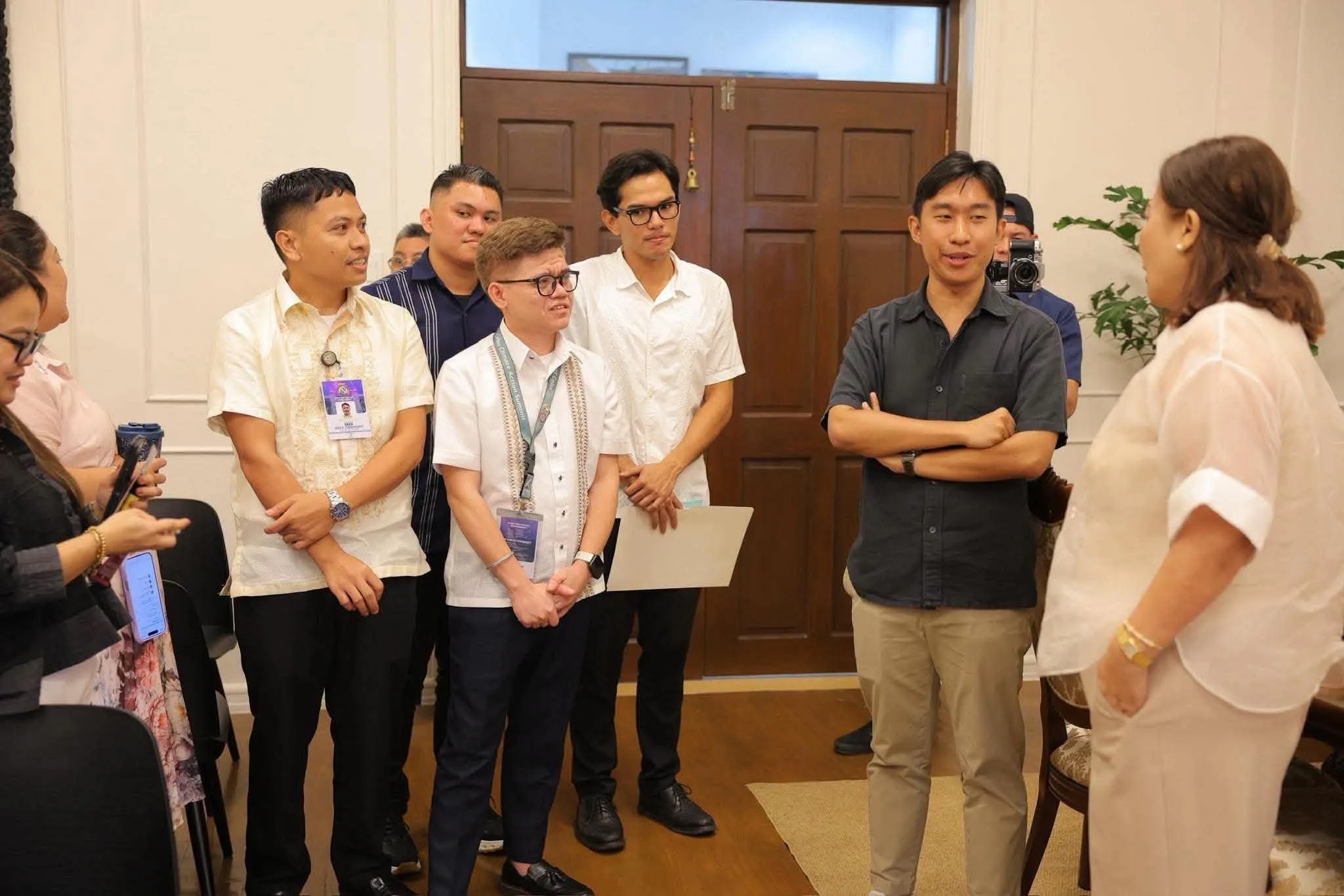
CEBU CITY — A Cebu Province delegation has returned from Guangxi, China, with actionable insights on artificial intelligence, robotics, and automated port operations. Provincial Board Member Loren S. Singco, who led the mission, formally presented the team’s findings to Governor Pamela Baricuatro on June 29, and delivered a privilege speech before the Provincial Board on July 6.
Guangxi’s Automated Ports Offer a Clear Template
The delegation spent five days observing how automated guided vehicles, remote‑controlled cranes, and real‑time data analytics drive the Beibu Gulf port complex. Cargo handling there operates with minimal physical footprint and round‑the‑clock efficiency, a model Singco believes Cebu can adapt for its own maritime gateways.
Singco told the board that the automated innovations witnessed in Guangxi provide a detailed roadmap for scaling up Cebu’s port infrastructure. By digitizing supply chains and smoothing out logistics bottlenecks, the province could attract more transshipment traffic and cut vessel turnaround times.
He emphasized that an automated port system would not only boost cargo throughput but also improve workplace safety by reducing the need for human personnel in hazardous dockside zones. The mission’s technical observations will be shared with the Cebu Port Authority for further evaluation.
AI as an Empowerment Tool, Not a Workforce Threat
Addressing concerns about job losses, Singco clarified that the province’s vision treats artificial intelligence as a human‑capacity enhancer, not a replacement. He argued that Cebu’s workers must be equipped with skills to manage, program, and maintain intelligent systems rather than fear them.
The delegation proposed integrating AI modules into the curricula of state universities and vocational institutions. Singco underscored that automation should handle repetitive tasks while Cebuanos focus on higher‑value work requiring creativity, critical thinking, and interpersonal skills.
This aligns with Governor Baricuatro’s recent message at the Cebu Technological University San Fernando Campus, where she reminded graduates that technology can never replace uniquely human traits like compassion, integrity, and empathy.
State University Partnerships to Anchor Tech Upskilling
To operationalize the mission’s findings, the delegation urged the province to deepen ties with state universities for specialized AI, robotics, and data science programs. Singco noted that Guangxi’s rapid tech adoption was built on strong industry‑academe collaboration, a model Cebu can replicate.
He recommended establishing dedicated technology labs and certification courses that would allow students and mid‑career professionals to gain hands‑on experience with automated systems. The goal is to produce a talent pipeline that matches the requirements of future‑ready industries.
Board members expressed support for exploring budget allocations that would fund university tech labs and faculty training exchanges. The initiative is expected to complement existing scholarship programs and the province’s broader human capital development agenda.
Mission Aligns with the Provincial Modernization Drive
The study mission dovetails with Governor Baricuatro’s first State of the Region Address delivered on June 24, where she championed infrastructure modernization, regional transport upgrades, and the digitalization of government services. The Capitol’s recent rollout of online payment systems for provincial taxes and fees reflects this direction.
Singco said the delegation thanked the governor for the opportunity to represent Cebu on an international platform. He noted that the insights gathered could help shape future legislation, investment incentives, and public‑private partnerships aimed at positioning Cebu as a digitally competitive province.
The board is expected to convene technical working groups that will translate the mission’s recommendations into concrete policy proposals and pilot projects for smart infrastructure.