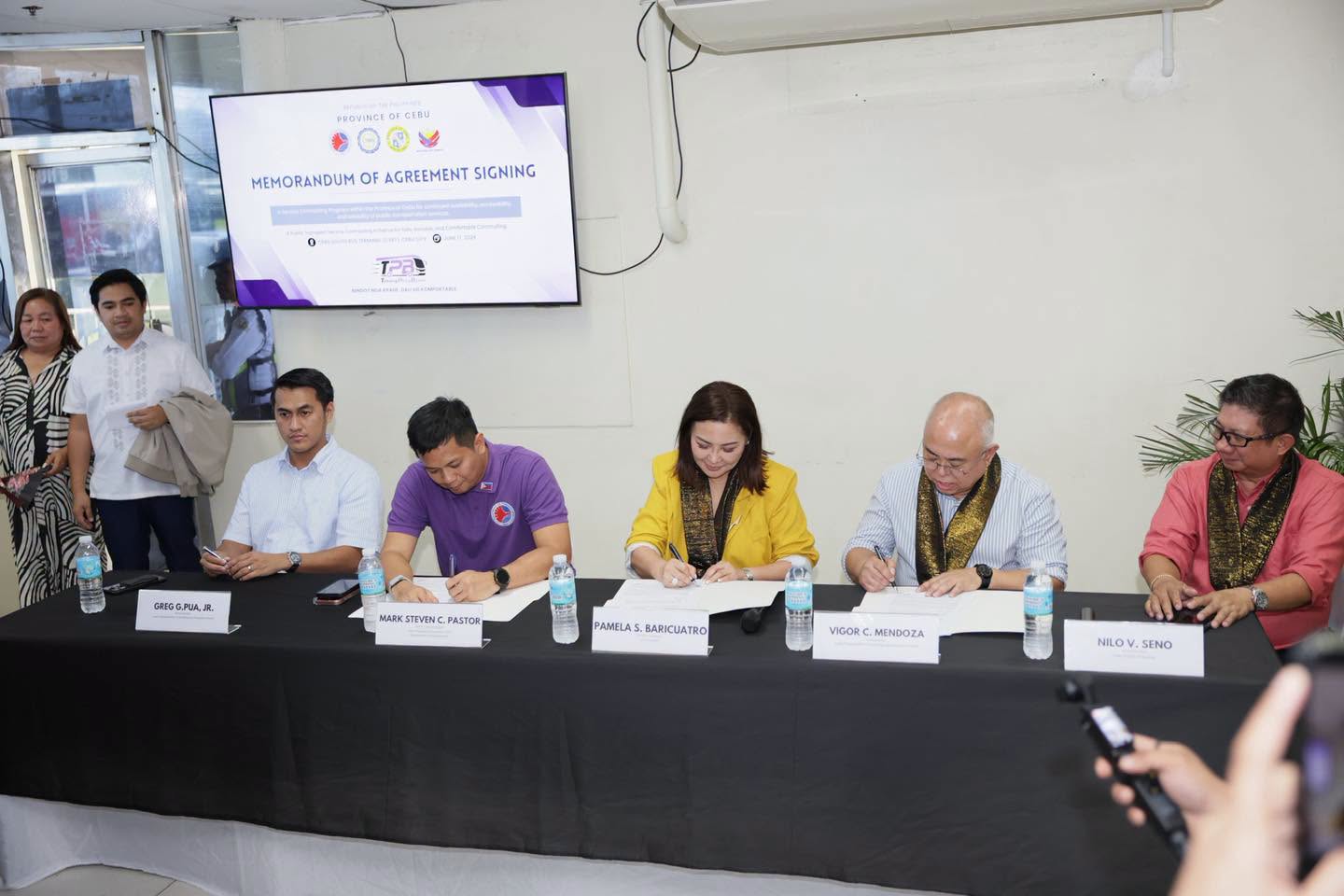
Cebu — In a pioneering move for the Philippines, Cebu has officially rolled out the "Tabang Pangbyahe" Service Contracting Program to stabilize public transportation across the province. Launched on June 27, 2026, the program allocates 20 million pesos to incentivize bus operators, ensuring that underserved routes receive consistent service regardless of passenger volume. This initiative addresses the challenges posed by volatile fuel prices by moving away from fare-dependent models toward a net service contracting system. The goal is to provide a reliable transit network for commuters, particularly as students return to the classroom and economic activity increases.
Stabilizing Public Transit for All
The program is a collaborative effort between the Department of Transportation (DoTr), the Land Transportation Franchising and Regulatory Board (LTFRB), and the Cebu Provincial Government. By focusing on underserved areas identified by the Provincial Planning and Development Office, the initiative ensures that transportation reaches the communities that need it most. Operators are compensated based on meeting strict service standards, which encourages reliability and professional conduct. This shift represents a proactive approach to managing the ripple effects of global fuel instability on the local commute.
Support for Operators and Drivers
One of the primary benefits of this contracting model is that it provides a consistent, predictable income for bus drivers and operators, shielding them from the uncertainties of fluctuating passenger numbers. This stability is essential for maintaining the operational capacity of the public transport sector during difficult economic periods. Drivers who meet the service requirements gain not only financial support but also clear guidelines on how to improve the quality of service for the public. It serves as a safety net that protects the livelihoods of those who keep the province moving.
Ensuring Reliability for Commuters
With the return of students to school, the demand for reliable public transport has become a top priority for the provincial government. This program guarantees that there will be enough vehicles on the road to meet this increased demand, preventing the long wait times that often plague busy urban corridors. By formalizing the relationship between the government and transport providers, Cebu is building a more resilient and responsive transit network. It is a strategic advancement in urban planning that prioritizes the needs of the daily commuter while fostering a sustainable business environment.