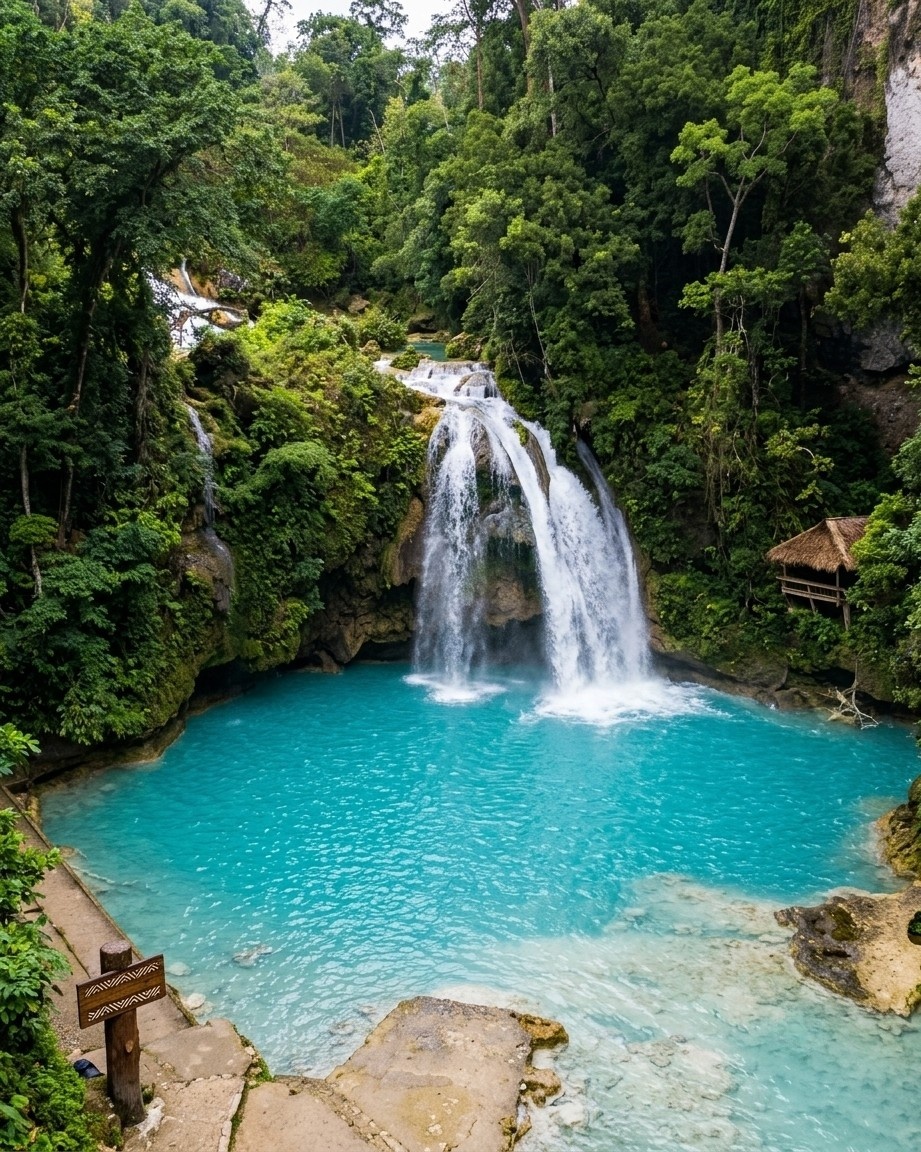
Cebu — Cebu province is breathing new life into one of its most treasured natural wonders as the provincial government launches a massive rehabilitation project for Kawasan Falls in Badian. Governor Pamela Baricuatro recently committed P110 million to restore the environmental health and visitor safety of the area, which has faced multiple challenges from past typhoons and environmental wear. By prioritizing this restoration, the province aims to protect the fragile ecosystem that supports thousands of local families, from canyoneering guides to small business owners. This project is a clear signal that the province values sustainable tourism as a cornerstone of its long-term development.
A Vital Commitment to Nature
The funding is designated to repair damage sustained from previous typhoons and to introduce improved safety protocols that will benefit all visitors. Restoration efforts will focus on stabilizing the area’s natural features while upgrading the facilities that serve the thousands of tourists flocking to the falls each year. By addressing these critical needs, the province ensures that the world-class canyoneering experience remains a safe and sustainable attraction for everyone. This investment is an essential step in maintaining Cebu’s status as a premier destination for nature lovers.
Supporting Community Livelihoods
Beyond the environmental benefits, the project is deeply connected to the livelihoods of the local community that relies on the falls for their daily income. The steady stream of visitors to Kawasan sustains local guides, transport operators, and souvenir vendors, making the health of the site synonymous with the prosperity of Badian. Leaders are working to ensure that the rehabilitation process is managed in a way that minimizes disruption to these families while maximizing long-term benefits. By strengthening the site, the province is securing a more stable and resilient economic future for the people who call the area home.
Looking Toward the Future of Canyoneering
The rehabilitation project marks a turning point for how the province manages its high-traffic eco-tourism spots in a post-typhoon climate. As planners move forward, the emphasis is placed on creating infrastructure that can better withstand future challenges while preserving the raw beauty that makes the falls unique. This initiative isn't just about a quick fix; it represents a commitment to careful stewardship that honors the natural heritage of Cebu. Travelers can expect an improved and more resilient destination as the project progresses in the coming months.