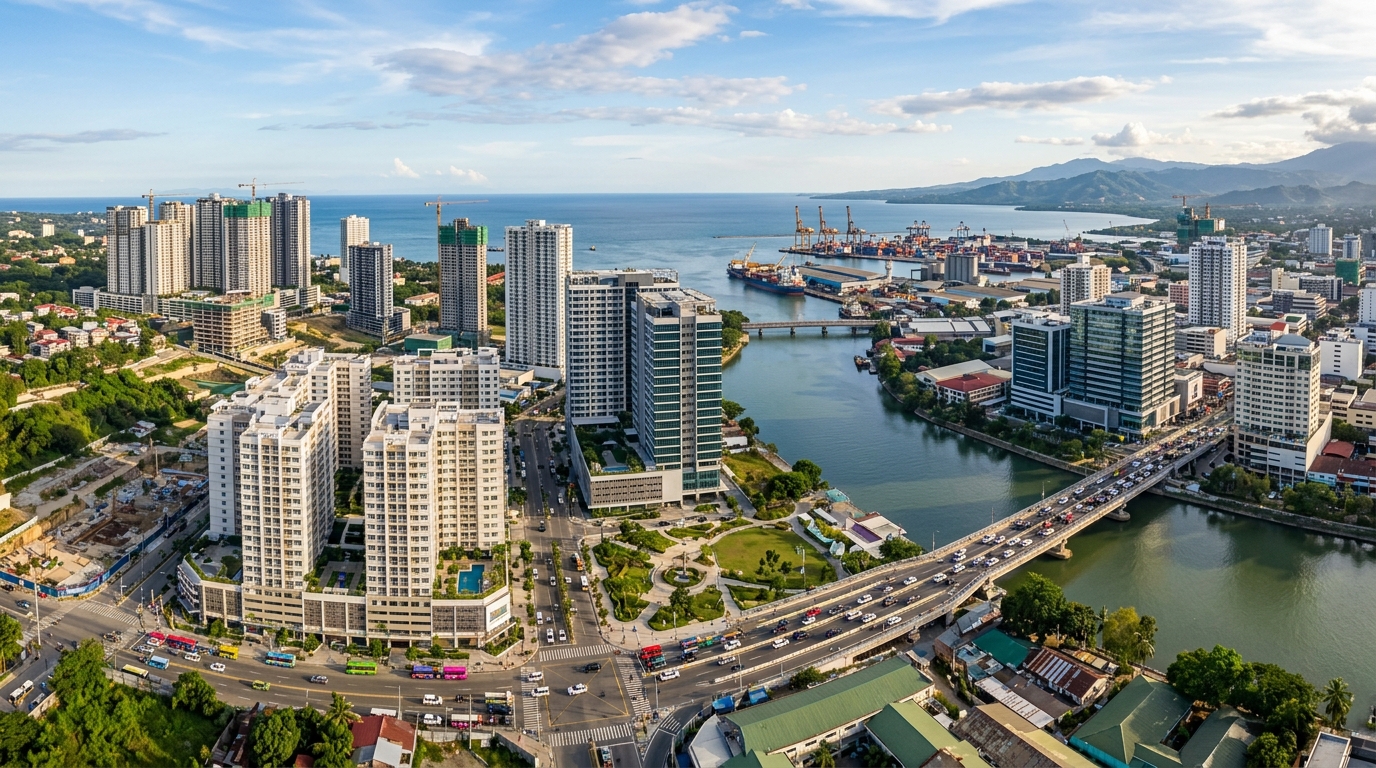

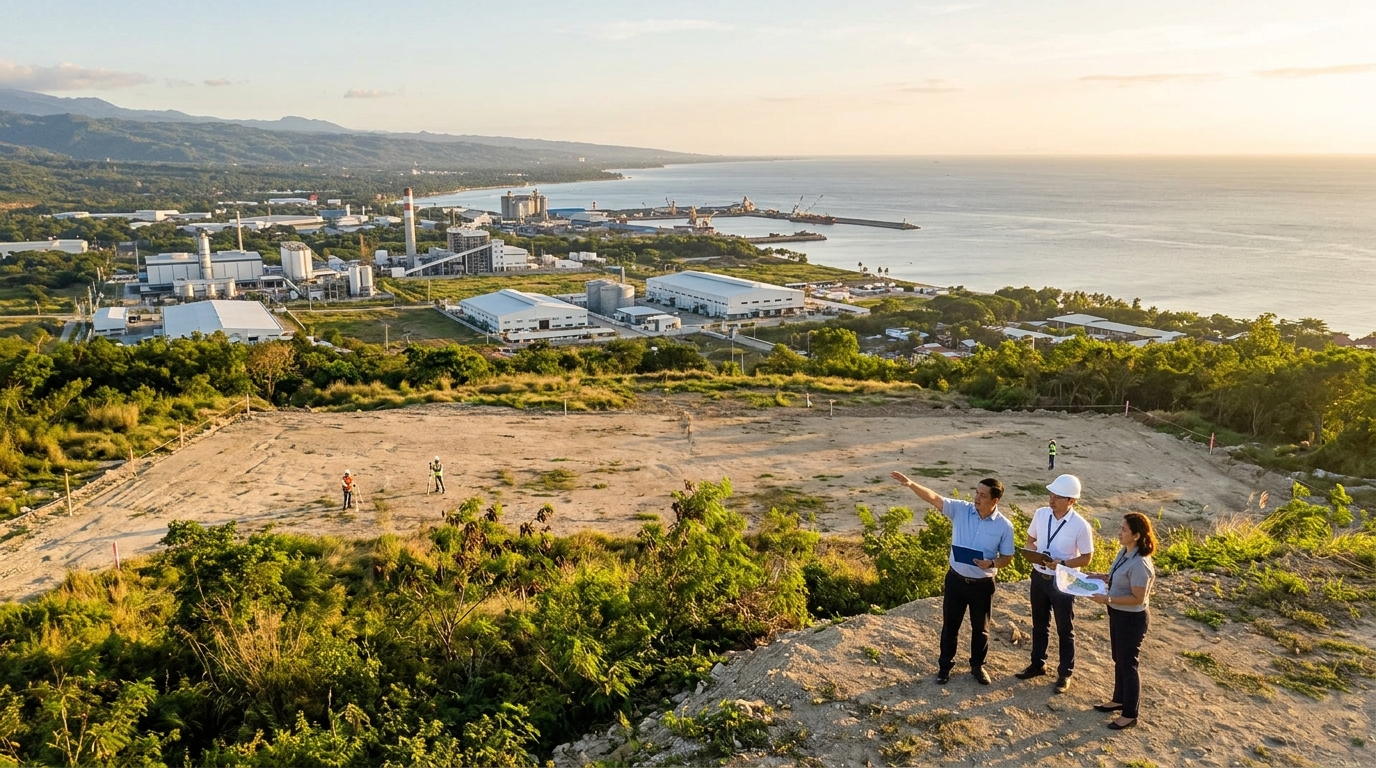
Cebu — The City of Naga is setting its sights on a transformative project that could reshape the economic landscape of southern Cebu. Mayor Valdemar Chiong has announced plans to negotiate the purchase of 16 to 17 hectares of the provincially owned Balili property in Barangay Tinaan to establish a new economic zone. This initiative is designed to house industrial locators and generate up to 10,000 new jobs for residents, significantly reducing the need for southern workers to commute to Metro Cebu. The collaboration between the city and the provincial government marks a significant step toward decentralized economic growth.
Decentralizing Economic Opportunities
For many years, the concentration of jobs in Cebu City has resulted in long daily commutes for workers living in the southern municipalities. By developing an economic zone closer to home, Naga City hopes to provide high-quality employment options that allow families to spend more time together. The project is seen as a win-win for both the local residents and the city’s industrial capability, as it maximizes the potential of unused land. This strategic move is expected to attract major locators who are looking for accessible and well-planned industrial sites outside of the main metropolitan hub.
Navigating Government-to-Government Negotiations
The process of acquiring the property involves careful negotiation between the provincial government and the city to ensure fair terms for all parties. Governor Baricuatro has confirmed that the land is clear for development, removing a major hurdle that previously stalled progress on the site. As the two sides work to apportion the land for the proposed economic zone and the upcoming Cebu Mega Food Hub, the focus remains on long-term efficiency. This cooperation demonstrates a professional approach to governance, where the interests of the public are prioritized through collaborative planning.
Building a Foundation for Future Prosperity
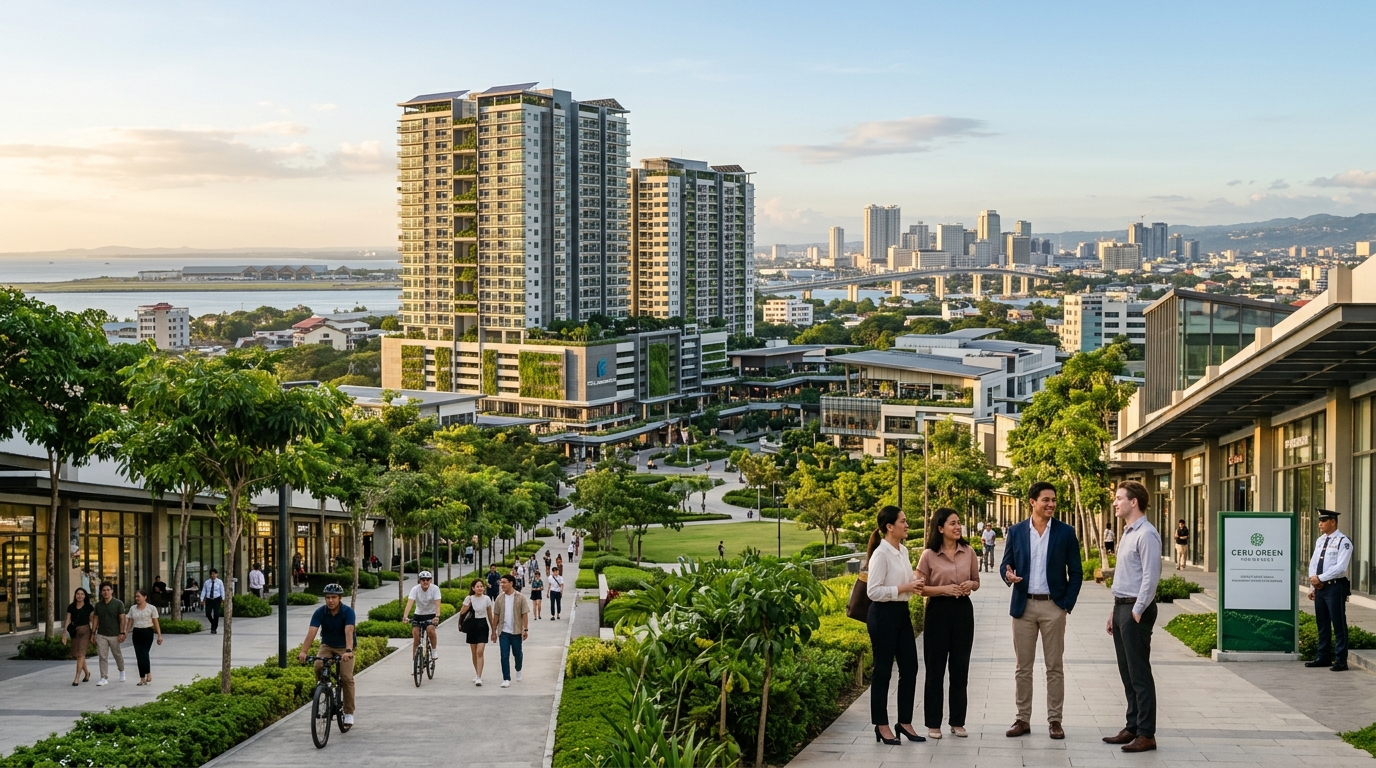
The establishment of this economic zone is expected to be a pillar of growth for Naga City, providing the tax base and community development funds needed for future projects. Beyond the immediate job creation, the area will likely attract ancillary services, from transportation and retail to housing and healthcare. This expansion will solidify Naga’s status as a key industrial center in Cebu, ensuring the city is well-prepared for the demographic and economic shifts of the coming decade. As plans move toward the groundbreaking phase, the optimism regarding the project's impact is palpable.