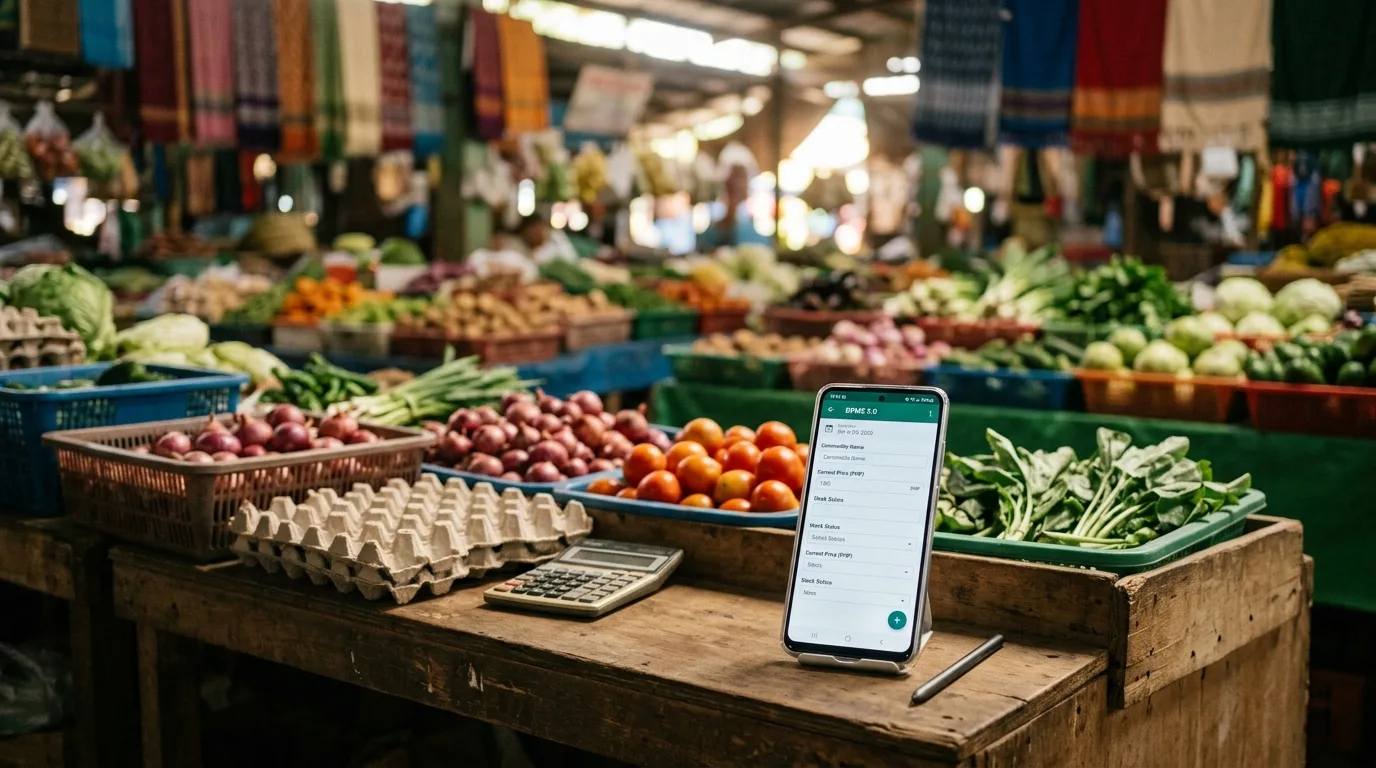
Davao — In a significant upgrade to local consumer protection, the Department of Agriculture (DA-11) has officially rolled out the "Bantay Presyo Monitoring System (BPMS) 3.0" across key markets in Davao City. This digital platform allows monitors to track agricultural product prices in real-time, ensuring that consumers remain informed and protected against unjustified market fluctuations. The system was put to the test during a market monitoring activity at the Bankerohan Public Market on July 8, proving that technology can indeed simplify the complexities of retail price regulation. This transition from manual recording to a streamlined, app-based interface marks a major step in the city’s effort to maintain price stability for its residents.
The Shift to Real-Time Data
The transition to BPMS 3.0 removes the lag time inherent in traditional paper-based price reporting, which was often susceptible to human error and delayed updates. By using a digital interface, price monitors can now input data directly from the floor, allowing the agency to publish accurate daily price guides that the public can trust. This transparency is the primary defense against price manipulation, as it ensures that retailers remain accountable to established fair market values. It is a pragmatic application of technology that makes the daily grocery shopping experience more predictable for the average Davaoeño.
Empowering Consumers through Information
When information about current market prices is accessible and updated, consumers are better equipped to make informed choices. The system is designed to eventually feed data into a public-facing portal where residents can check price trends before even leaving their homes. This accessibility creates a form of market-driven regulation, where shoppers can easily identify stalls that offer value and bypass those that do not. By giving this power directly to the buyer, the city fosters a more competitive and equitable marketplace that benefits everyone.
Improving Administrative Efficiency
For the agency staff, this upgrade means more than just faster reporting; it provides a comprehensive archive of price history that can be used for long-term economic forecasting. Understanding seasonal price shifts and the factors that influence them allows for better planning and more effective interventions during periods of market stress. The digital system essentially turns raw data into intelligence, helping officials make better policy decisions that preserve the stability of the local agricultural sector. It is a quiet but powerful improvement that bolsters the long-term reliability of Davao’s retail environment.