(+63) 977-815-0888[email protected]
Cebu, Philippines
FacebookInstagramX / Twitter
Homes.ph
About UsBuyRentMortgageCPDEducation
Join Us!

News

Latest Property News

Fresh market updates, buying tips, and local developments for smarter decisions.

Read News

Market Movements

Track pricing shifts and demand trends in key areas.

Buying Guides

Step-by-step explainers for first-time buyers and investors.

Developer Updates

Announcements, launches, and project status updates.

Tourism News

Travel And Stay Highlights

Destination spotlights, visitor updates, and tourism growth stories across the country.

Read Tourism News

Destination Features

Discover rising travel hotspots and weekend escapes.

Hospitality Trends

What is shaping hotel, resort, and short-stay demand.

Local Event Coverage

Events and festivals driving traffic to local communities.

Restaurant News

Food Scene Updates

Restaurant openings, chef stories, and food business insights in your area.

Read Restaurant News

New Openings

Recently launched cafes, diners, and premium concepts.

Industry Insights

What operators are doing to scale and retain customers.

Dining Guides

Curated lists and neighborhood food recommendations.

Sponsored

HomesPH

Advertisement Unavailable

Advertisement
View all market, tourism, and restaurant updates
List PropertyLogin
Homes.ph
About UsBuyRentRestaurantMortgageCPDEducationJoin Us

Contact

(+63) 977-815-0888[email protected]
Cebu, Philippines
FacebookInstagramX / Twitter
List PropertySign in
    ← Back to Davao Restaurant

    Pampanga's Sweetest Export: Why the Culinary Capital Is the Undisputed Birthplace of Tocino

    Updated Just Now
    ByHOMESPH NEWS
    2 views

    Pampanga, the Culinary Capital of the Philippines, is the undisputed birthplace of tocino, known locally as pindang, with a unique slightly tangy profile and a labor-intensive hand-massing curing process that sets it apart from commercial versions.

    Gastronomy & Restaurants

    Article image

    Before it became a frozen staple in supermarket freezers across the globe, tocino was a Kapampangan invention born from a simple desire to preserve meat without refrigeration. Known locally as pindang, authentic Kapampangan tocino is a beloved Filipino sweet cured meat, typically made from thinly sliced pork belly or shoulder, marinated in a blend of sugar, salt, garlic, and annatto for that signature reddish-orange hue . Unlike the uniformly sweet versions found elsewhere, traditional Kapampangan tocino can have a slightly tangy profile, a subtle sourness that sets it apart and hints at its preservation roots.

    The name tocino comes from the Spanish word for bacon, but the Kapampangan version is uniquely Filipino. To achieve the tender, melt-in-your-mouth texture that defines authentic pindang, traditional makers massage and mix the ingredients by hand for hours before curing the meat . This labor-intensive process ensures that the marinade penetrates every fiber, resulting in a sweetness that is balanced, complex, and never cloying.

    The Carabao Version: Pindang Damulag

    While pork tocino is the most familiar, Pampanga offers a unique regional specialty that adventurous eaters seek out: Pindang Damulag, tocino made from carabao (water buffalo) meat . This version boasts a distinct sweet-and-sour flavor profile that is more robust and earthy than its pork counterpart, reflecting the province's agricultural heritage and resourcefulness.

    The use of carabao meat connects the dish directly to Pampanga's farming communities, where water buffalo were historically essential to rice cultivation. When older animals were retired from farm work, their meat was transformed into pindang damulag, ensuring that nothing went to waste while creating a delicacy that remains a source of local pride today.

    The Brand That Brought Kapampangan Tocino to the World

    Pampanga's Best, the most iconic commercial brand, was originally founded in San Fernando, Pampanga, and revolutionized the industry by introducing factory-packaged tocino to supermarkets worldwide . The brand made it possible for overseas Filipino workers and tocino lovers outside Pampanga to enjoy authentic Kapampangan sweet cured meat without needing to master the traditional curing process at home.

    Today, Pampanga's Best products are available in Filipino grocery stores across North America, Europe, the Middle East, and Asia, serving as a tasty ambassador for Kapampangan culinary heritage. For those who prefer the authentic homemade experience, local markets in San Fernando, Angeles City, and Bacolor still sell traditionally prepared pindang made by families who have passed down their curing recipes for generations.

    How to Cook and Serve Tocino the Kapampangan Way

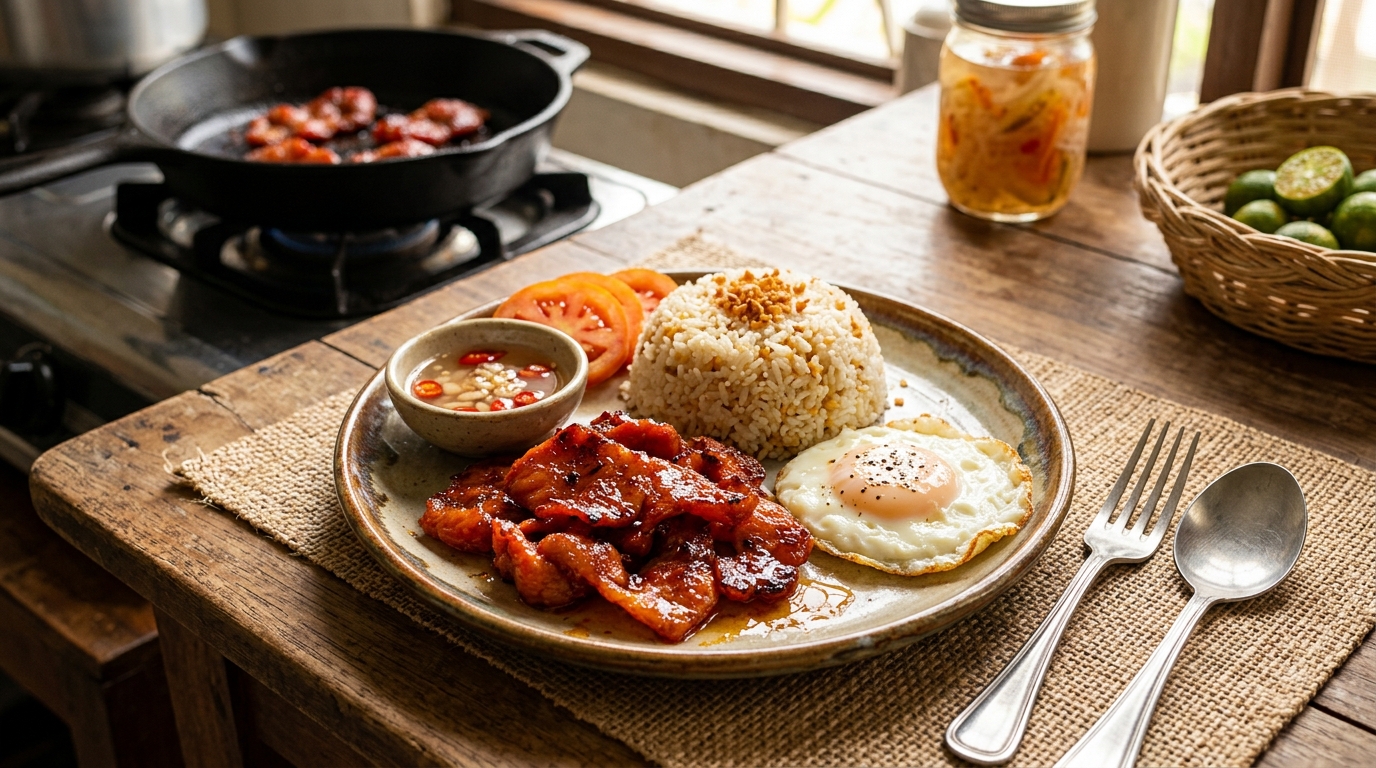
    Cooking tocino the Kapampangan way is an art that caramelizes the sugars to a perfect stickiness. Start by placing the tocino in a pan with about half a cup of water. Boil over medium heat until the water evaporates and the sauce begins to thicken. Add a few tablespoons of cooking oil (or wait for the pork's natural fat to render). Fry until the meat is browned and caramelized, but not burnt . The goal is a glossy, slightly charred exterior with a tender, juicy interior.

    Tocino is a staple of silog meals — the beloved Filipino breakfast plates featuring garlic fried rice and a sunny-side up egg. The combination is called Tosilog (Tocino + Sinangag + Itlog). Best paired with sliced fresh tomatoes or a dipping sauce of spicy vinegar, the acidity cuts through the sweetness and balances the richness of the fried egg and garlic rice . For home cooks aiming for authenticity, look for tocino with visible fat marbling — that fat is what renders during frying to create the signature sticky caramelization. The best traditional makers still hand-massage their meat before curing, a detail that separates authentic pindang from mass-produced versions .
    HOMESPH NEWS

    Jun 11, 2026

    HomesPH

    Advertisement Unavailable

    Latest Stories

    The Ultimate Cebuano Seafood Feast: Decoding the Magic of Sutukil

    The Ultimate Cebuano Seafood Feast: Decoding the Magic of Sutukil

    Jun 11, 2026

    The Heart of Cebuano Dining: The Timeless Art of Puso

    The Heart of Cebuano Dining: The Timeless Art of Puso

    Jun 11, 2026

    The Crown Jewel of Cebuano Cuisine: Why Lechon Cebu is World-Famous

    The Crown Jewel of Cebuano Cuisine: Why Lechon Cebu is World-Famous

    Jun 11, 2026

    Exploring Davao: Four New Tourism Circuits Unveiled

    Exploring Davao: Four New Tourism Circuits Unveiled

    HomesPH

    Advertisement Unavailable

    HomesPH

    Advertisement Unavailable

    HomesPH

    Advertisement Unavailable

    HomesPH

    Your trusted partner in finding the perfect home. Connecting Filipinos with quality properties nationwide.

    Contact Us

    Jun 11, 2026

    Trending

    Grill Perfection: A Deep Dive into Kaya Korean BBQ at Oakridge

    Grill Perfection: A Deep Dive into Kaya Korean BBQ at Oakridge

    Jun 11, 2026

    A Hidden Gem of Flavor: El Kuvo and the Culinary Heart of Coron, Palawan

    A Hidden Gem of Flavor: El Kuvo and the Culinary Heart of Coron, Palawan

    Jun 11, 2026

    Bohol Chocolate Hits the World Stage: ASEAN Leaders Savor Island Cacao

    Bohol Chocolate Hits the World Stage: ASEAN Leaders Savor Island Cacao

    Jun 11, 2026

    Big Slices, Bigger Flavor: Why Tony’s Pizza Is Cebu’s Ultimate NY-Style Craving

    Big Slices, Bigger Flavor: Why Tony’s Pizza Is Cebu’s Ultimate NY-Style Craving

    Jun 11, 2026

    HomesPH

    Advertisement Unavailable

    (+63) 977-815-0888

    Mon-Sat 9AM-6PM

    [email protected]

    We reply within 24hrs

    Cebu, Philippines

    Serving nationwide

    © 2026 Homes.ph. All rights reserved. Your dream home awaits.

    Privacy PolicyTerms of ServiceSitemap