Cebu — If you ask any food lover to name the absolute must-eat dish in the Philippines, one name will consistently rise to the top: Lechon Cebu. Celebrated globally—and famously dubbed "the best pig ever" by the late culinary icon Anthony Bourdain—Cebuano lechon is more than just roasted pork; it is a masterful display of tradition, technique, and flavor. Unlike other regional versions that rely on heavy dipping sauces, Cebu lechon is legendary for being so perfectly seasoned and flavorful that it is intended to be enjoyed entirely on its own.
The Art of the Cebuano Roast
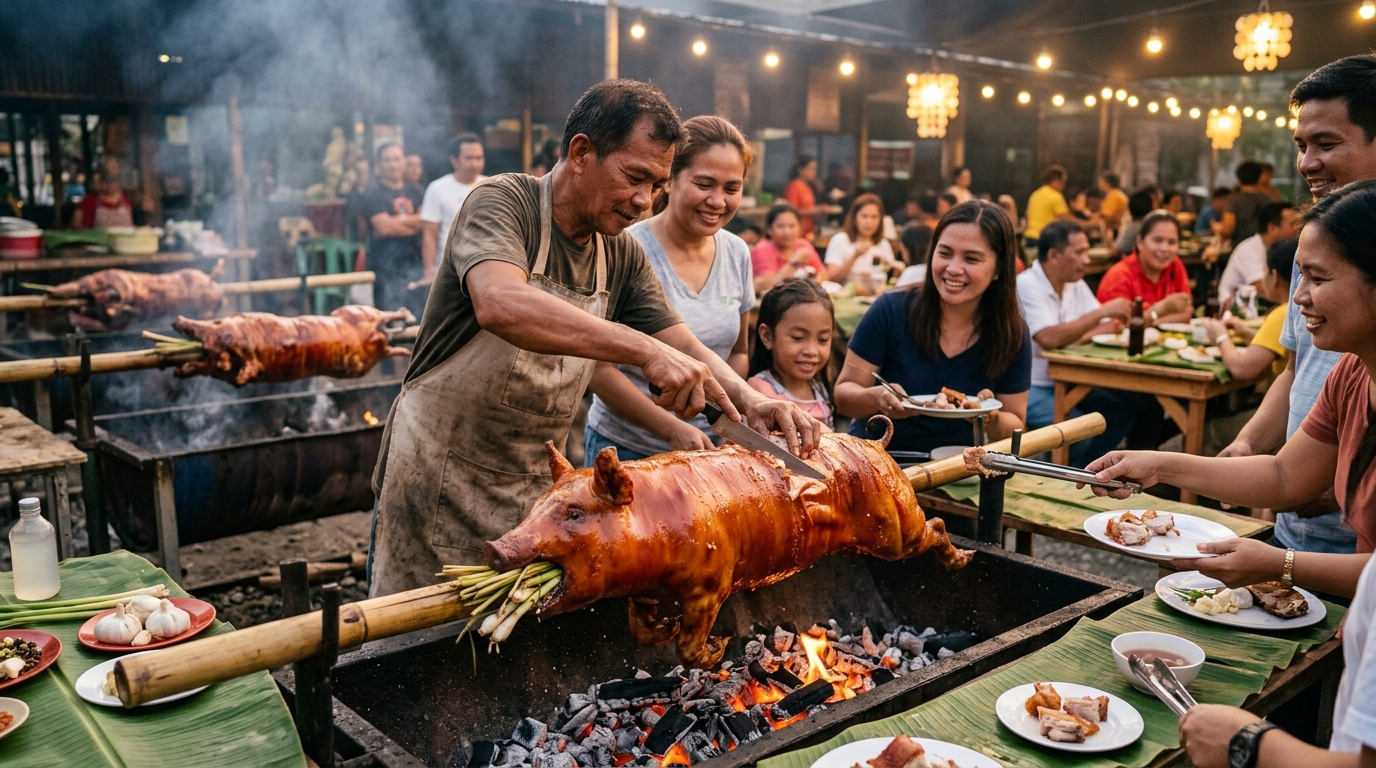
The secret to the unrivaled taste of Cebu lechon lies in the meticulous "inside-out" seasoning process. While many other regions prepare their roasted pigs with simpler methods, Cebuano lechoneros (roast masters) pack the pig’s belly cavity with a generous, fragrant blend of lemongrass (tanglad), native garlic, scallions, black peppercorns, and sometimes chili or star anise. As the pig slowly rotates over hot charcoal for several hours, these aromatics act as an internal steam oven, infusing the meat from the inside out with vibrant, citrusy, and earthy notes. This mastery of heat and spice ensures that every bite is tender, juicy, and deeply savory, creating a flavor profile that stands as a testament to the region’s culinary heritage.
A Social Device and Cultural Icon
Beyond its gastronomic appeal, lechon serves as a powerful social tool in Filipino culture, functioning as "relationship engineering" that brings communities together. In a Cebuano feast, the lechon is rarely served in pre-cut portions; instead, the whole, unbroken pig is placed at the center of the table, inviting guests to step forward, choose their preferred cuts, and carve with their own hands. This ritual dissolves social hierarchies and host-guest distinctions, turning strangers into family as everyone gathers around a single, shared object of sustenance. It is this unique ability to synchronize appetites and create lasting memories that has cemented lechon not just as a national dish, but as the heartbeat of Filipino hospitality, celebration, and unity.