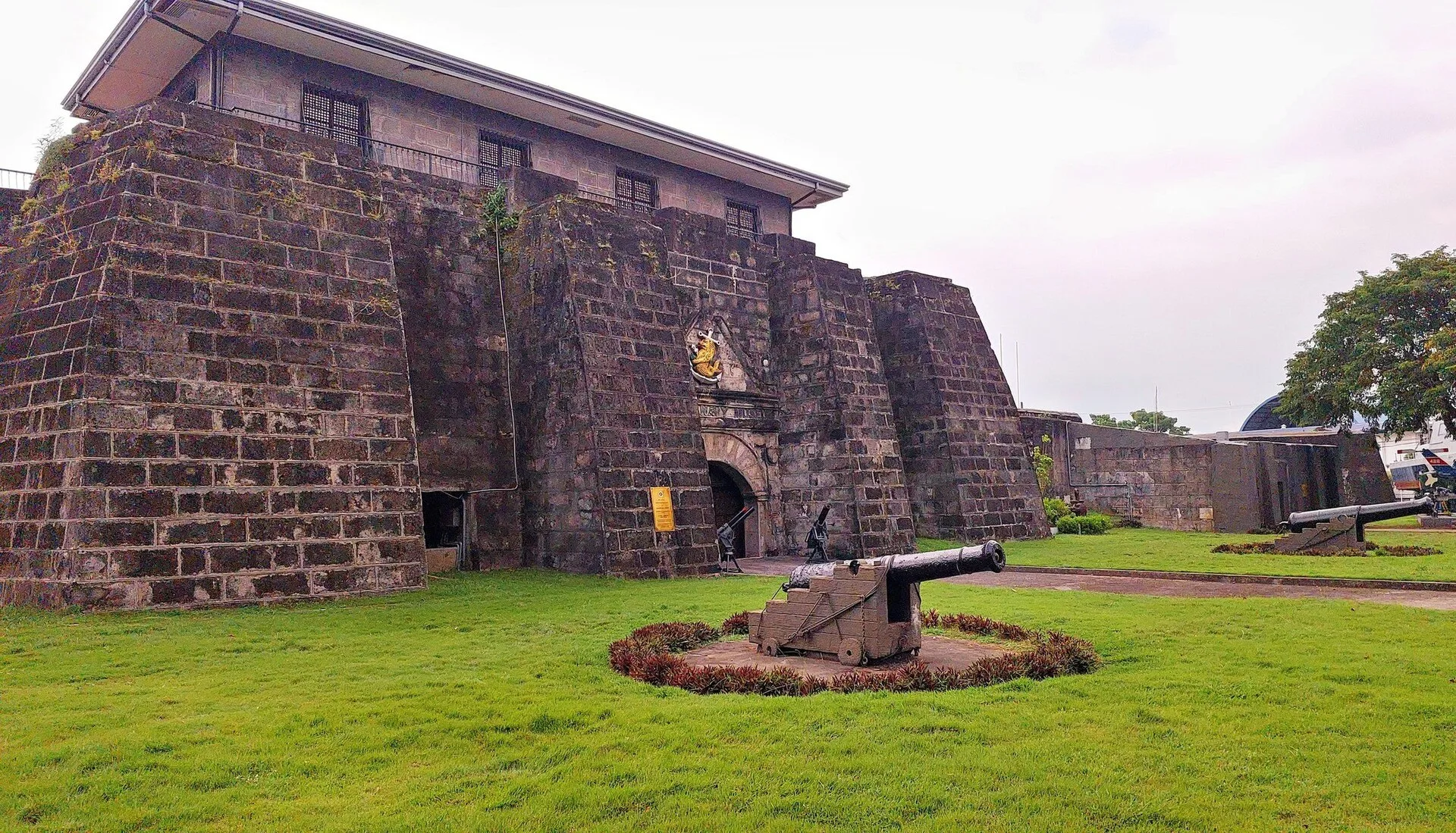
Fort San Felipe is a historic 17th-century Spanish military fortress located inside the active Naval Base Cavite (Philippine Navy) in Cavite City. Built by Spanish colonizers in 1609 to protect the Cavite port, the fortress is best known as the site of the 1872 Cavite Mutiny—an uprising that led to the execution of priests Mariano Gomez, Jose Burgos, and Jacinto Zamora (GOMBURZA) and ultimately fueled the Philippine Revolution.
A Fortress with a Pivotal Role in Philippine History
The Cavite Mutiny of 1872 was an uprising of around 200 military personnel and laborers at the Spanish arsenal in Cavite, including Fort San Felipe, led by Sergeant Francisco La Madrid . Though quickly suppressed, the event served as a pretext for Spanish authorities to crack down on the burgeoning nationalist movement, implicating and executing three Filipino priests—Mariano Gomez, Jose Burgos, and Jacinto Zamora—by garrote on February 17, 1872 .
Many scholars believe the Cavite Mutiny of 1872 was the beginning of Filipino nationalism that would eventually lead to the Philippine Revolution of 1896 . The event directly inspired Dr. Jose Rizal, who dedicated his novel El Filibusterismo to the memory of the executed priests . Today, naval memorabilia including antique cannons and cannonballs decorate the lawns of the fortification.
Visitor Information: Access and What Remains
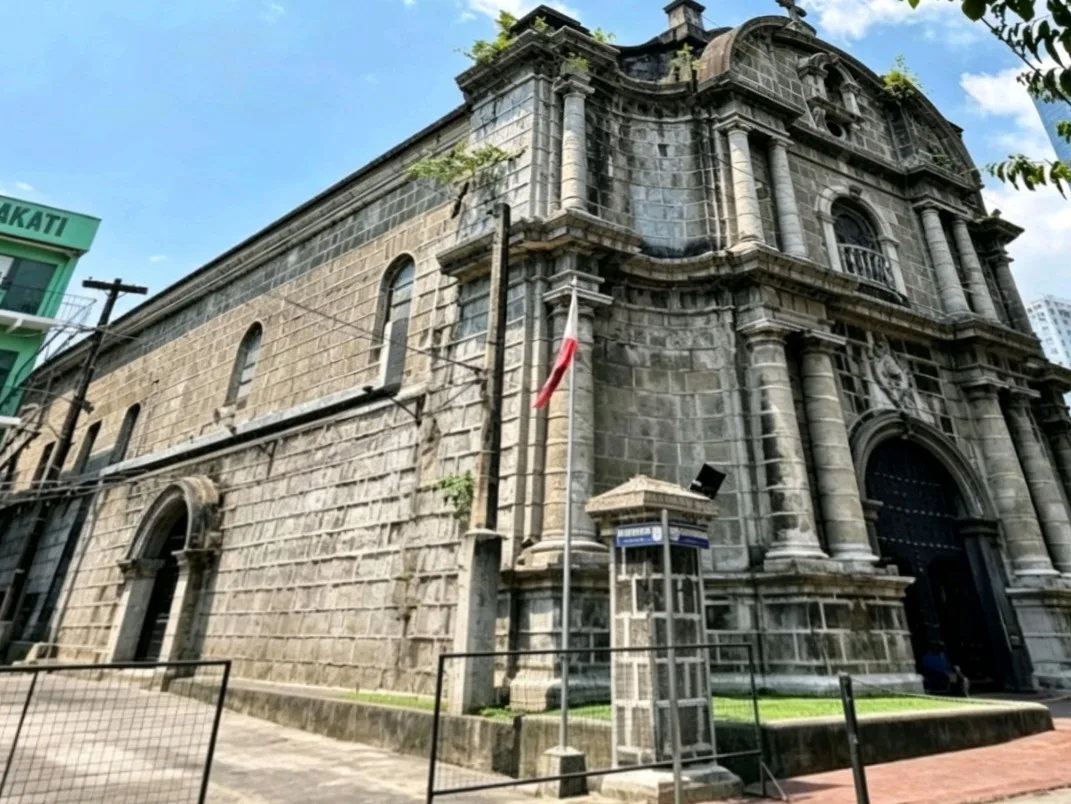
The fort is located within the 9-hectare Naval Base Cavite of the Philippine Navy and is not open to the public . Visitors typically need prior clearance or coordination with the Philippine Navy to enter. What remains of the original 17th-century structure includes the façade, the main entrance with flanking curtain walls, and two bastions at the ends. The rest were demolished by the Americans during the early 20th century to make way for a naval station .
The area also holds the memory of the Thirteen Martyrs of Cavite, who were executed by musketry outside the fort on September 12, 1896, for their involvement in a foiled uprising . As an active military installation, Fort San Felipe continues to serve as a Philippine Navy facility while standing as a silent monument to a pivotal moment in the nation's journey toward independence.