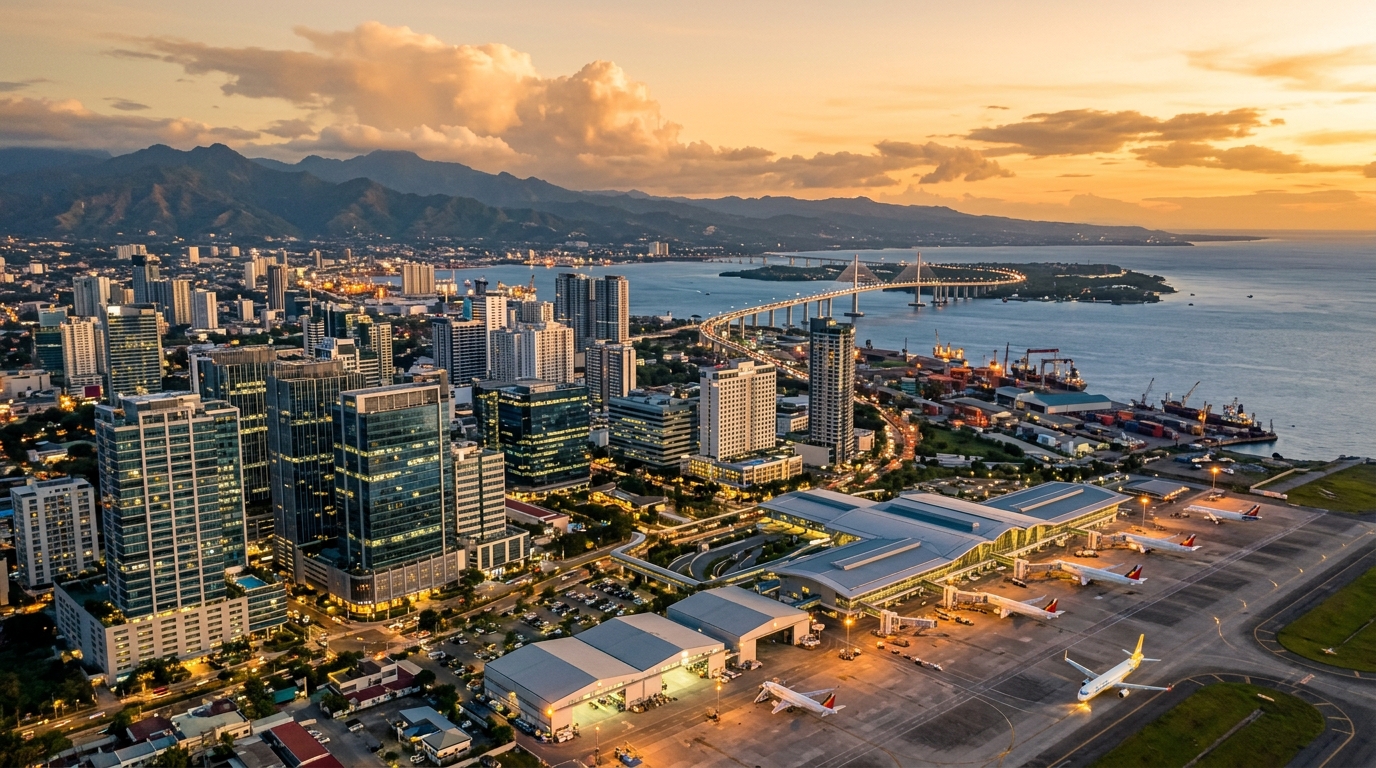
Forget the usual tropical paradise imagery for a moment. The Philippines is rapidly emerging as a formidable force in Asia's lucrative business travel sector, with Cebu and Iloilo now being spotlighted alongside regional powerhouses like Singapore, Thailand, Malaysia, and Indonesia. This strategic elevation positions these two Filipino cities as fast-rising MICE (Meetings, Incentives, Conferences, and Exhibitions) tourism destinations, signaling a significant shift in the Asia-Pacific's event landscape and business travel expansion.
Transitioning Luxury Leisure Hubs Into High-Capacity Corporate Arenas
The recognition of Cebu and Iloilo goes beyond leisure travel, tapping into a segment known for its high-value visitors and longer stays. MICE tourism encompasses everything from large-scale international conferences to corporate incentive trips, driving substantial revenue for local economies. Cebu, with its established international airport, world-class resorts, and growing infrastructure, has long been a regional hub.
Monetizing Heritage Real Estate and Accelerating Sub-Regional Event Bidding
Iloilo, on the other hand, is rapidly developing its event facilities and leveraging its rich cultural heritage and burgeoning urban centers to attract a new wave of business visitors. This development is not merely about attracting tourists; it's about integrating the Philippines more deeply into the global business ecosystem. By enhancing its MICE capabilities, the nation aims to capture a larger share of the Asia-Pacific's dynamic event market, fostering international partnerships and investment.
Generating Domestic Employment and Incentivizing the Reintegration of Skilled Labor
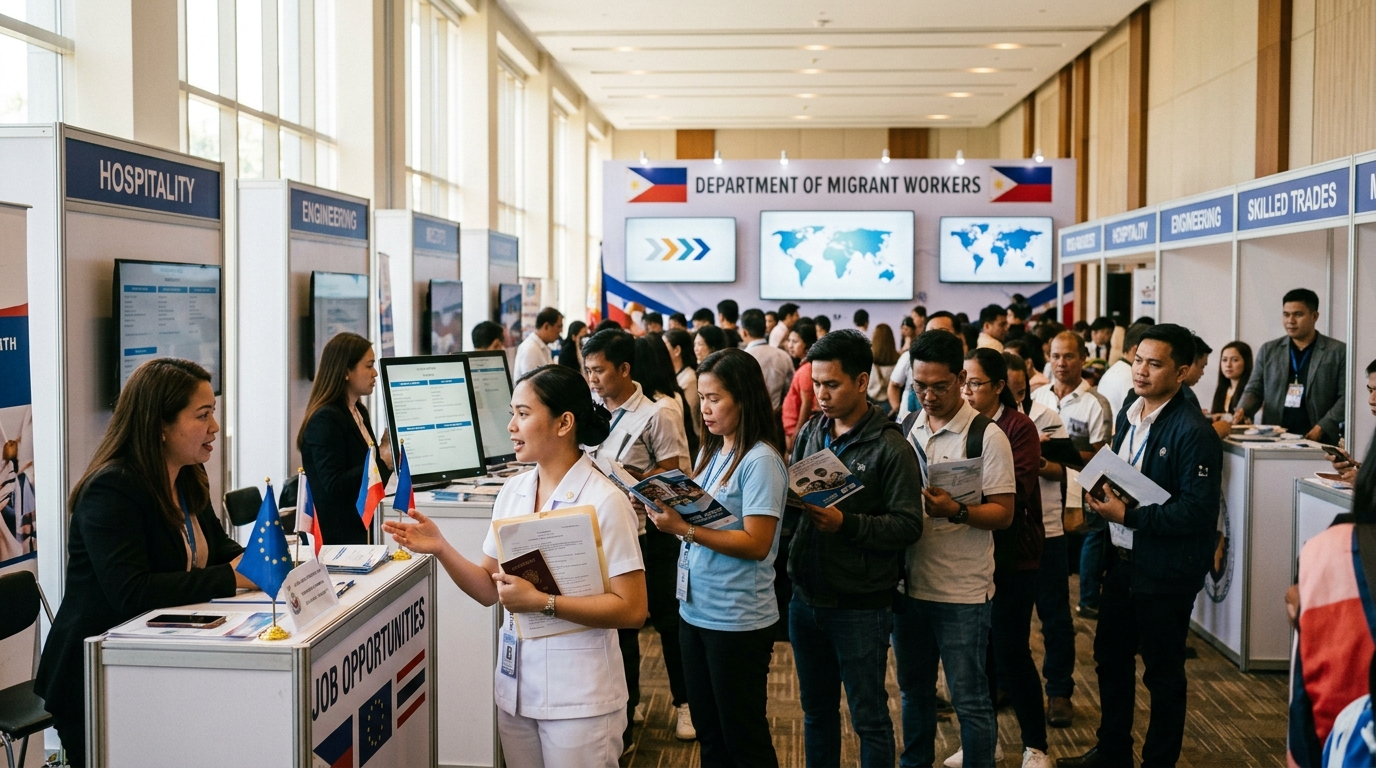
For millions of Filipinos, both domestically and working as Overseas Filipino Workers (OFWs) abroad, this expansion translates into tangible opportunities. The growth of MICE tourism creates a ripple effect across various sectors, including hospitality, transportation, food and beverage, event management, and retail. It means more jobs for hotel staff, tour guides, drivers, chefs, and event organizers. This influx of business travelers and events will boost local economies, generate foreign exchange, and potentially encourage skilled OFWs in related fields to explore career prospects back home in the Philippines, contributing their global expertise to national development.
What Filipinos Need to Know
As Cebu and Iloilo rise on the global MICE stage, Filipinos should be aware of the increasing demand for high-quality service and specialized skills in the tourism and events industry. Investing in professional development and training in areas such as convention management, digital event solutions, and multilingual customer service will be crucial. This strategic move solidifies the Philippines' position not just as a leisure destination, but as a serious contender in the competitive landscape of international business and events, promising a vibrant future for its burgeoning urban centers and the hardworking Filipino workforce.