Convenience Changed Patient Habits
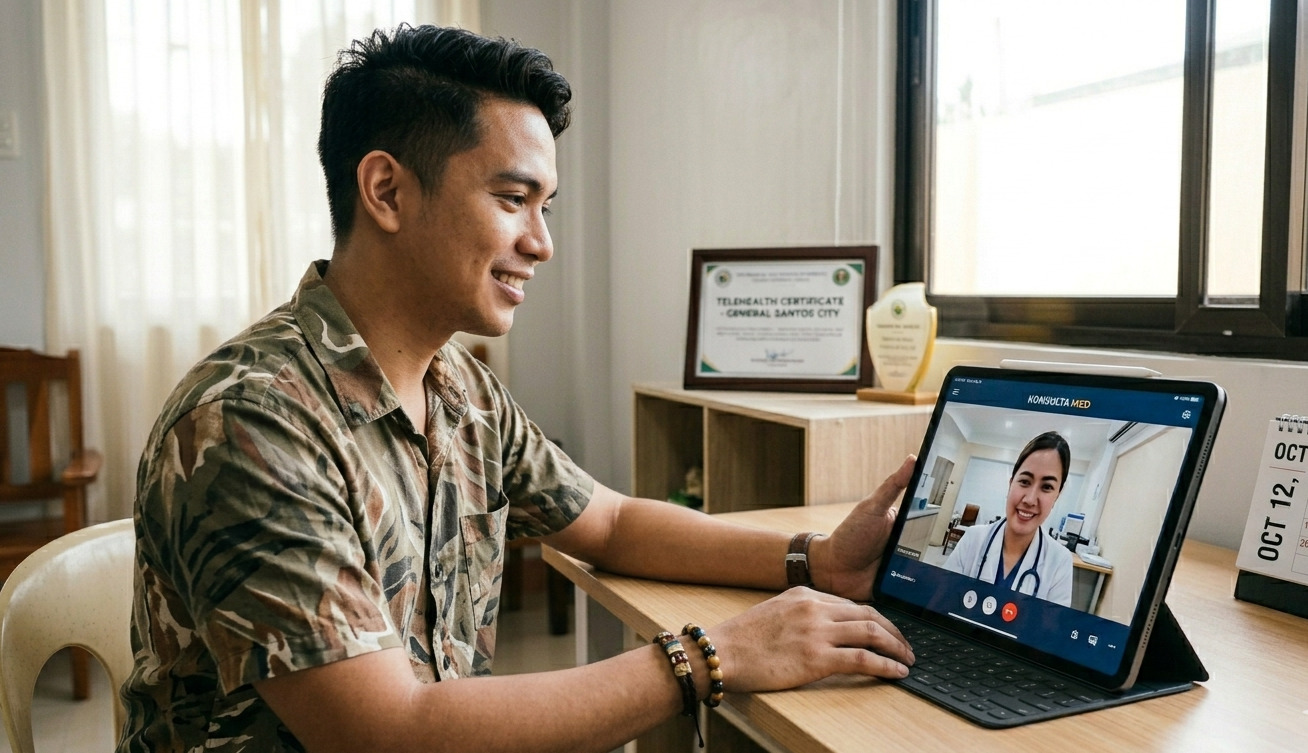
Many residents now appreciate the flexibility of consulting healthcare professionals remotely for follow-ups, prescriptions, and non-emergency concerns. Telemedicine helps reduce travel time and waiting periods for some patients. Digital healthcare also became useful for people balancing work schedules and family responsibilities. Convenience increasingly shapes healthcare decisions alongside medical quality. Technology continues changing patient expectations gradually.
Healthcare Became More Digitally Connected
Hospitals, clinics, and healthcare providers are increasingly integrating online scheduling, digital records, and virtual consultations into patient services. Medical systems continue adapting to patients who expect easier communication and faster access to information. Healthcare technology is becoming part of everyday medical experience. Digital tools now support both convenience and continuity of care. Healthcare systems evolve alongside communication habits.
Patients Still Value Human Connection
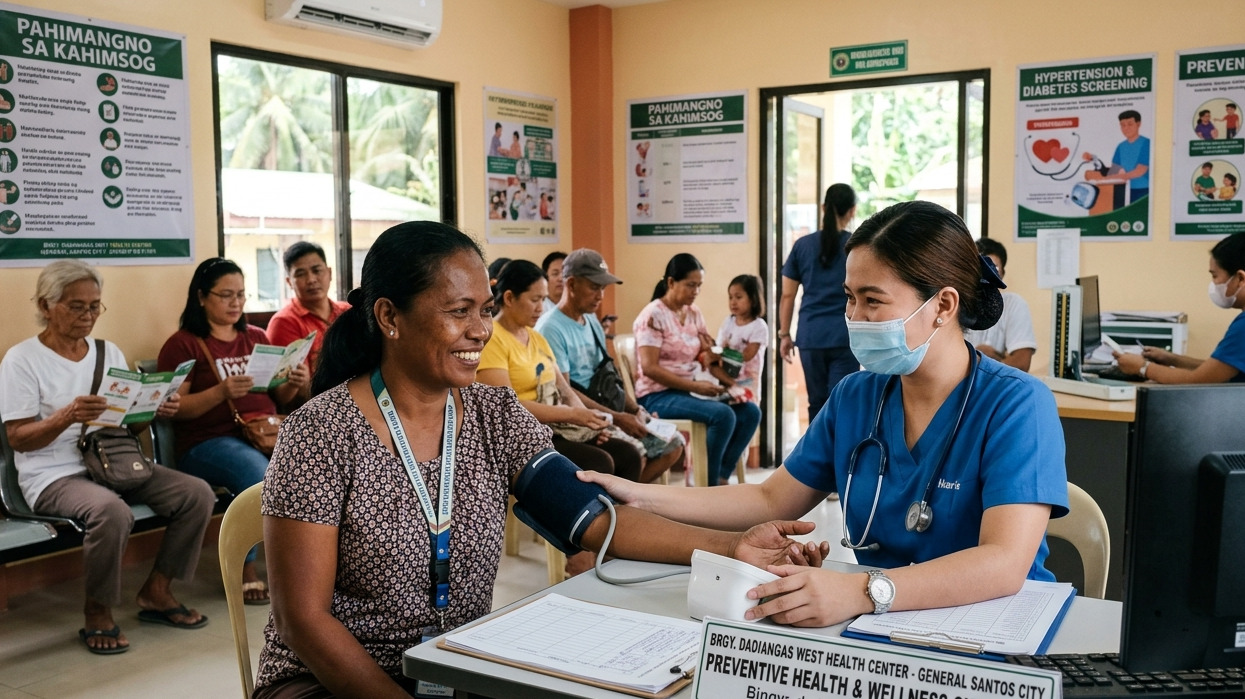
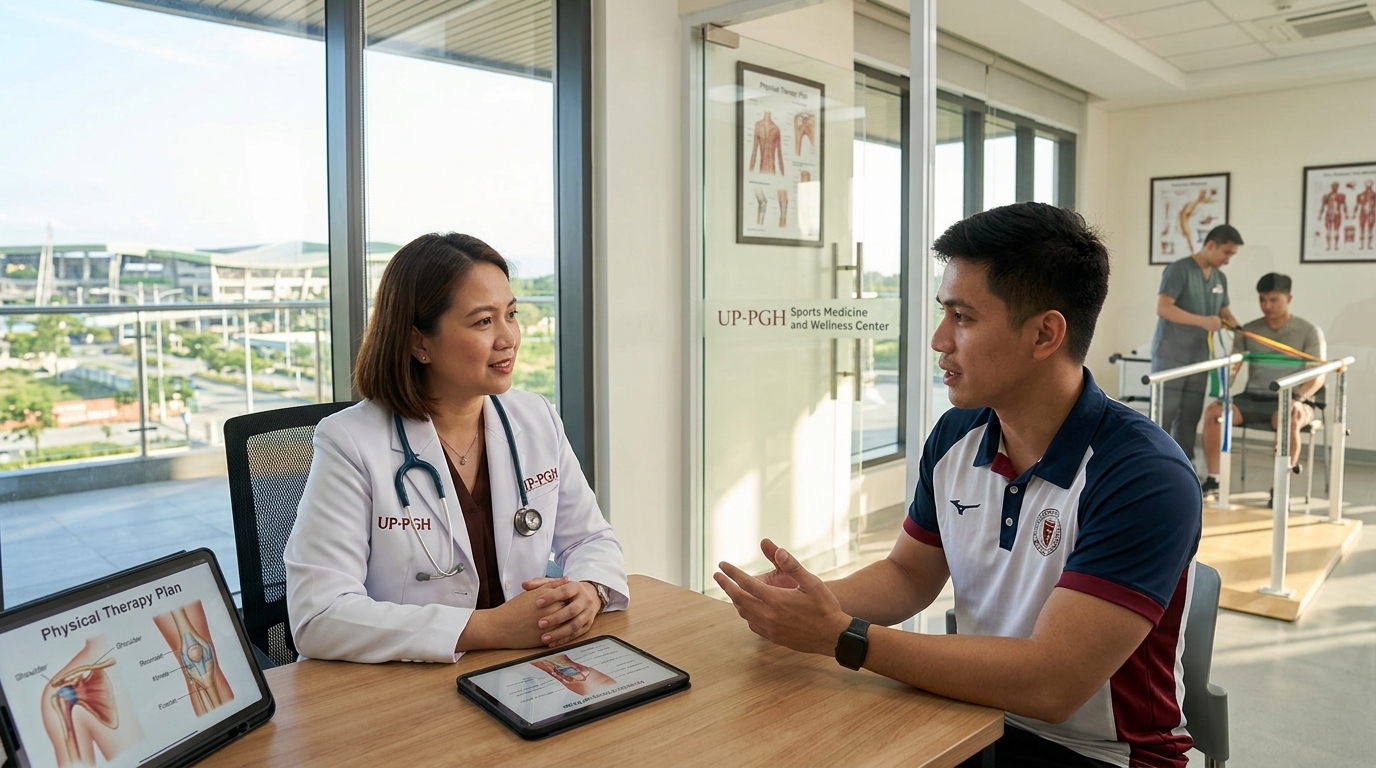
While digital consultations provide flexibility, many residents still prefer face-to-face interactions for more serious concerns or complex diagnoses. Telemedicine works best when combined with accessible physical healthcare services. In General Santos, digital healthcare continues complementing—not fully replacing—traditional medical systems. Technology improves access, but trust remains deeply personal. Healthcare still depends heavily on communication and reassurance.