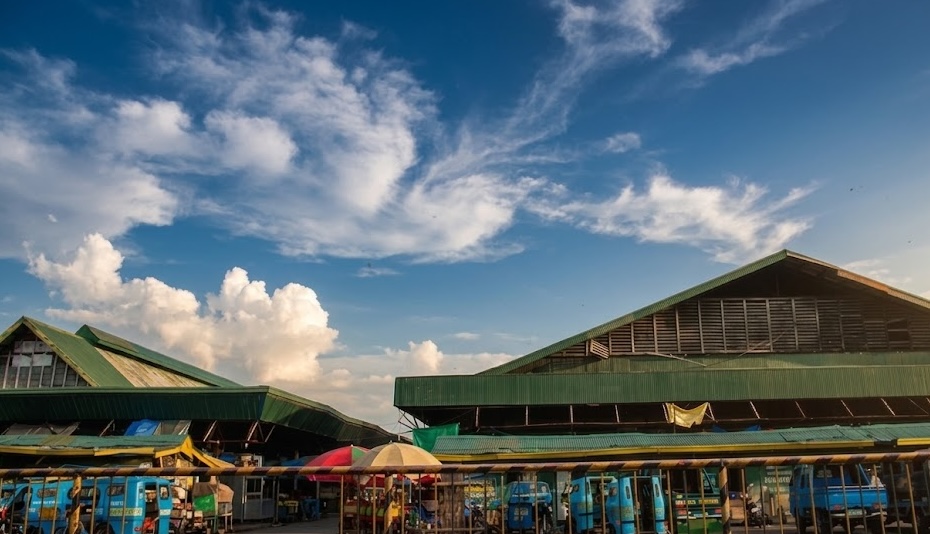
Reimagining a Familiar Landmark
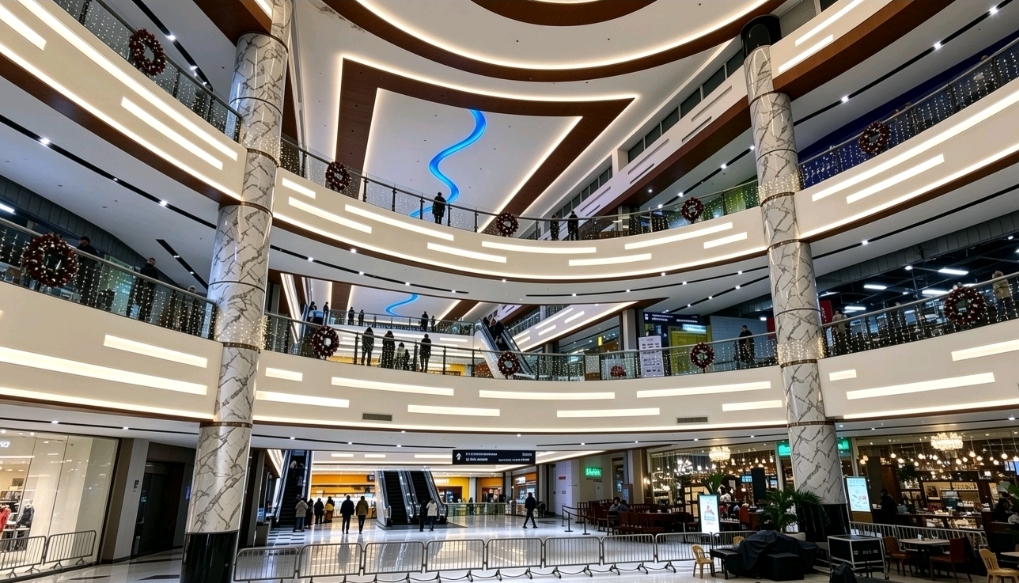
For many residents, public markets are associated with daily routines rather than real estate conversations. However, redevelopment plans for the General Santos Central Public Market place this long-standing commercial hub at the center of a major urban project. The proposed Palengke Heneral development aims to convert the aging facility into a modern integrated complex designed to improve sanitation, safety, and operational efficiency. While markets are often viewed through the lens of retail activity, they also represent valuable urban assets. Their design, accessibility, and functionality influence how people move through a city and how businesses interact with consumers.
Beyond Buildings and Blueprints
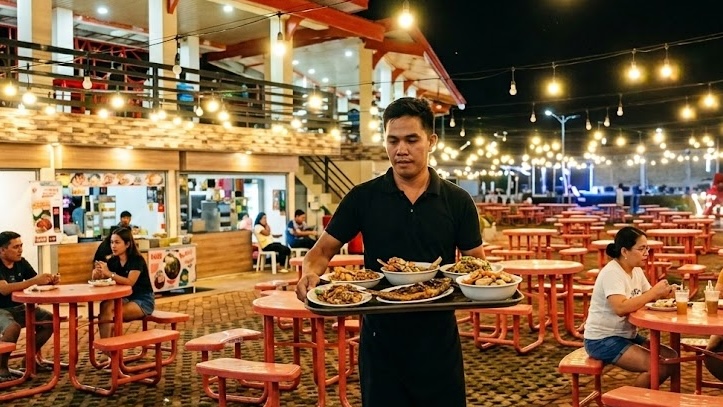
Real estate projects frequently emphasize structures, but successful developments also depend on the people who use them. Market vendors, shoppers, suppliers, and nearby businesses all contribute to the life of a commercial district. Plans for temporary relocation and phased implementation demonstrate how redevelopment involves balancing physical improvements with economic continuity. Public markets differ from many commercial projects because they serve multiple purposes simultaneously. They are places where commerce, social interaction, and daily necessities converge. As a result, changes within these spaces can create effects that extend beyond the boundaries of the construction site itself.
A Different Perspective on Growth
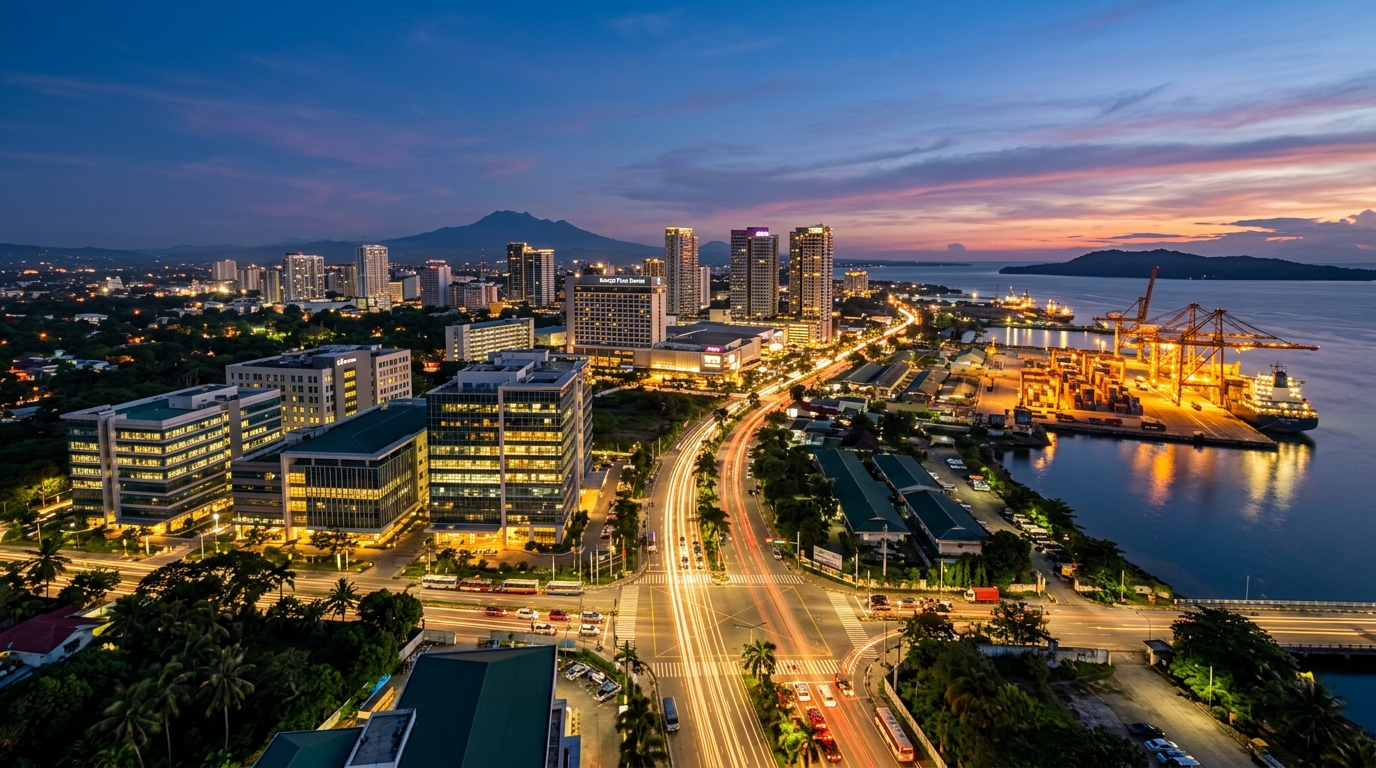
Urban growth is often measured by new buildings rising above the skyline. Yet some of the most meaningful changes occur within places that already play important roles in community life. The market redevelopment initiative in General Santos City illustrates how modernization can focus on improving existing spaces rather than simply expanding outward. By enhancing a long-established commercial center, the project reflects a broader understanding of development. Growth is not always about creating something entirely new. Sometimes it involves adapting familiar places so they continue serving future generations in more efficient and practical ways.