Looking Beyond the Interest Rate
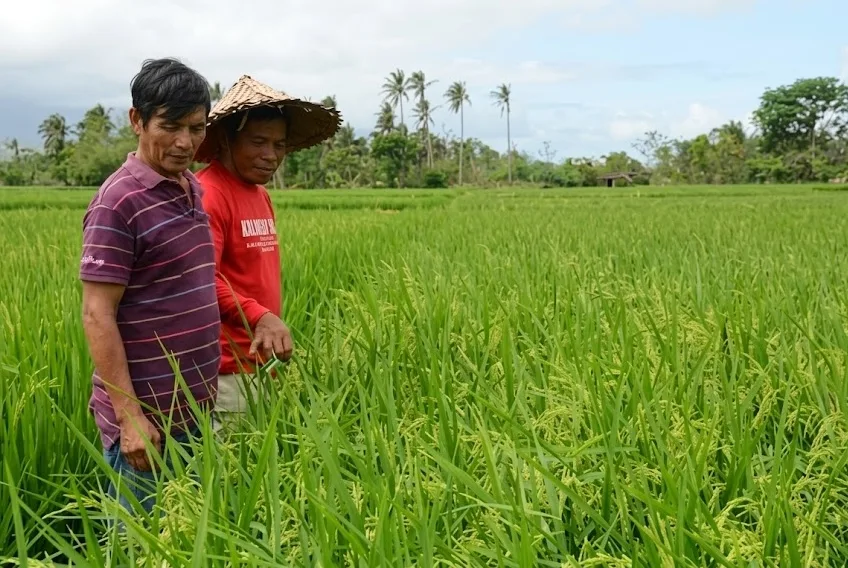
GENERAL SANTOS CITY - When financial assistance reaches farmers, every peso can influence planting decisions, equipment purchases, and operating expenses. The ongoing review of General Santos City's Lingap at Gabay para sa Magsasaka at Mangingisda Ordinance centers on whether a five-percent interest provision aligns with the program's original objective. While the ordinance was designed with a revolving fund mechanism in mind, city officials recognized that interest payments could become difficult for beneficiaries managing several cropping cycles each year. Revisiting the policy demonstrates that agricultural programs can evolve as governments learn how existing provisions affect the people they are intended to support.
Finding Balance Between Sustainability and Assistance
Supporting agriculture requires more than simply allocating funds. Programs must also remain financially viable so future beneficiaries can continue receiving assistance. According to city officials, removing the interest provision may require larger budget allocations because repayments would no longer contribute to replenishing available funds. This presents a practical budgeting challenge rather than a simple policy adjustment. The review encourages discussion about how local governments can finance agricultural programs responsibly while ensuring that assistance remains genuinely supportive instead of creating additional financial obligations for farmers and fisherfolk working under unpredictable production conditions.
A Conversation About Long-Term Food Security
Agriculture continues to play an essential role in General Santos City's economy, making effective support programs valuable not only for producers but also for consumers. Affordable financial assistance can help farmers maintain production despite fluctuating input costs, while fisherfolk benefit from access to resources that keep livelihoods productive. Although amendments to the ordinance are still under deliberation before full implementation, the review reflects a willingness to improve existing policies rather than simply preserve them unchanged. Thoughtful revisions today may strengthen confidence in future agricultural assistance while contributing to a more resilient local food sector over time.