A Marketplace That Brings Producers Closer to Consumers
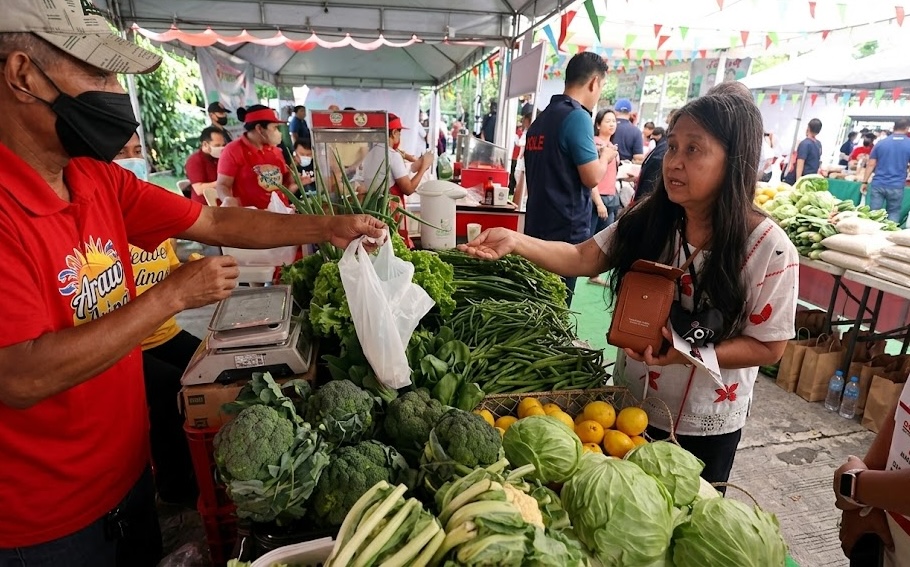
GENERAL SANTOS CITY - Unlike conventional trading channels where agricultural products often pass through several intermediaries, KADIWA markets encourage direct participation from farmers, fisherfolk, cooperatives, and local entrepreneurs. This setup allows fresh produce, processed food, seafood, and other locally made products to reach consumers with fewer distribution layers. For families in General Santos City, the experience goes beyond finding affordable goods—it offers a chance to understand where food comes from and who produces it. Every purchase represents support for individuals whose livelihoods depend on agriculture and fisheries, two industries that continue to shape the city's identity and economy.
Community Markets That Celebrate Local Harvests
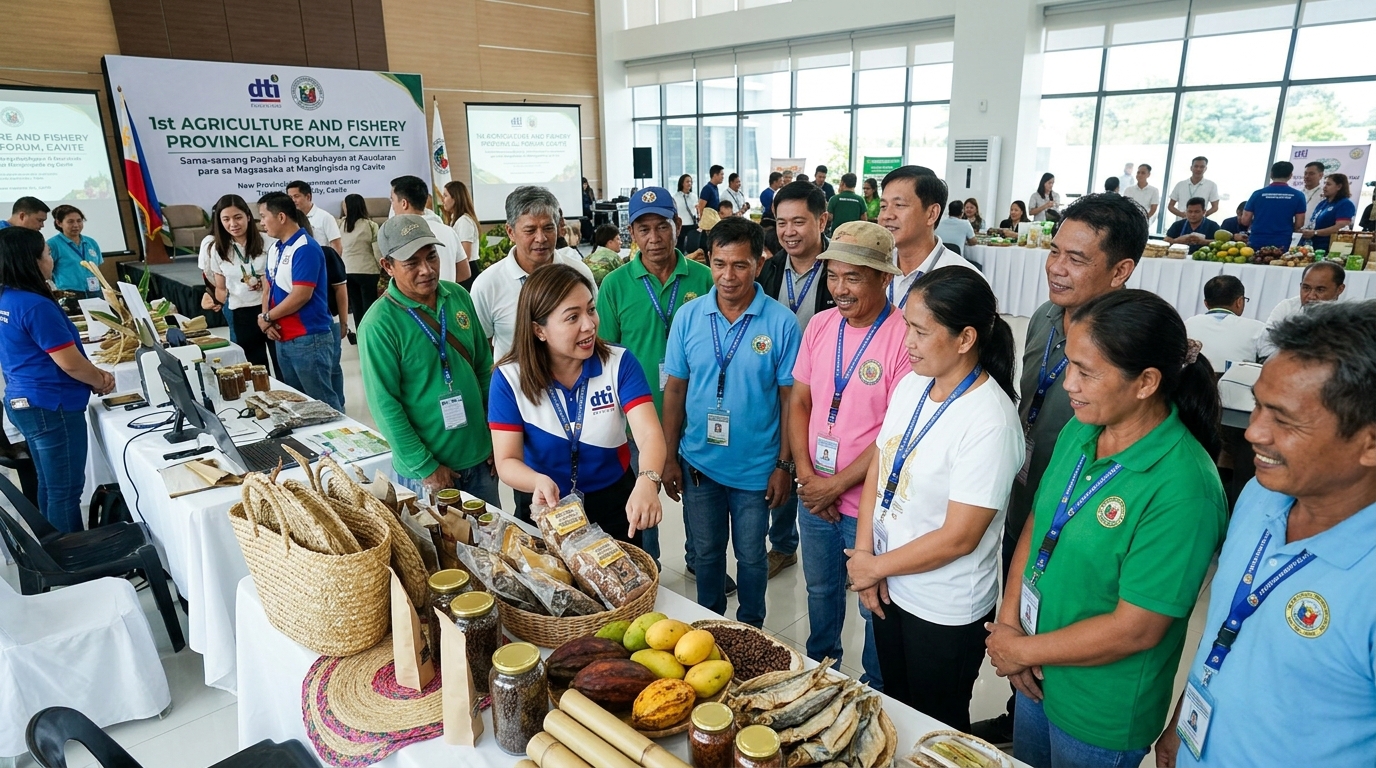
A visit to a KADIWA market often feels like a showcase of the region's agricultural diversity. Seasonal fruits, leafy vegetables, root crops, rice, fresh fish, and homemade food products are displayed alongside items crafted by community-based enterprises. Instead of focusing solely on commercial brands, these markets provide space for locally grown and locally processed products to receive greater visibility. The variety also encourages residents to explore ingredients produced within SOCCSKSARGEN, inspiring home cooks and food enthusiasts to appreciate the richness of regional agriculture while giving small producers a wider customer base.
An Initiative That Supports Everyday Food Choices
KADIWA continues to evolve as more than a periodic market activity. Across the country, the initiative has expanded through partnerships that strengthen market access for agricultural producers while improving food availability for consumers. Its broader objective is to shorten the journey between farms and households, creating opportunities for producers to earn more directly from their harvests. For General Santos City, where agriculture and fisheries remain essential economic drivers, this approach complements existing local markets and reinforces the importance of supporting homegrown products as part of everyday purchasing decisions.