
Flexibility Is Becoming a Major Priority
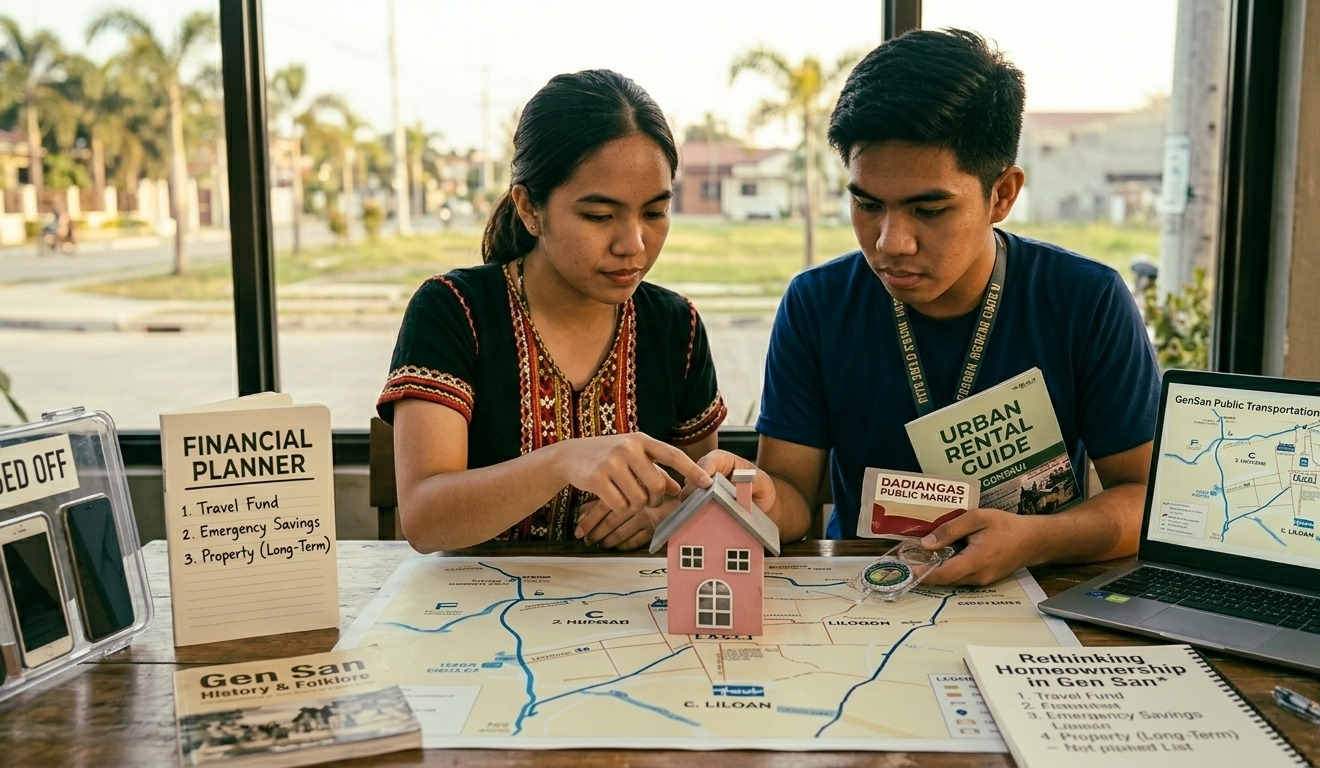
Many renters now prefer housing arrangements that allow easier relocation depending on work or financial situations. Younger professionals especially are becoming cautious about long-term commitments tied to homeownership. Renting offers mobility while allowing residents to stay closer to workplaces and commercial areas. Lifestyle flexibility is influencing housing decisions more than before. Temporary living arrangements no longer automatically feel unstable.
Property Owners Are Adjusting to Tenant Expectations
Tenants are increasingly paying attention to internet access, security, ventilation, and accessibility when choosing rental spaces. Property owners are responding by improving amenities and maintaining units more actively to stay competitive. Small improvements often influence occupancy rates significantly. Rental housing is becoming more service-oriented rather than purely transactional. Competition is quietly reshaping the local rental market.
The Rental Economy Reflects Urban Growth
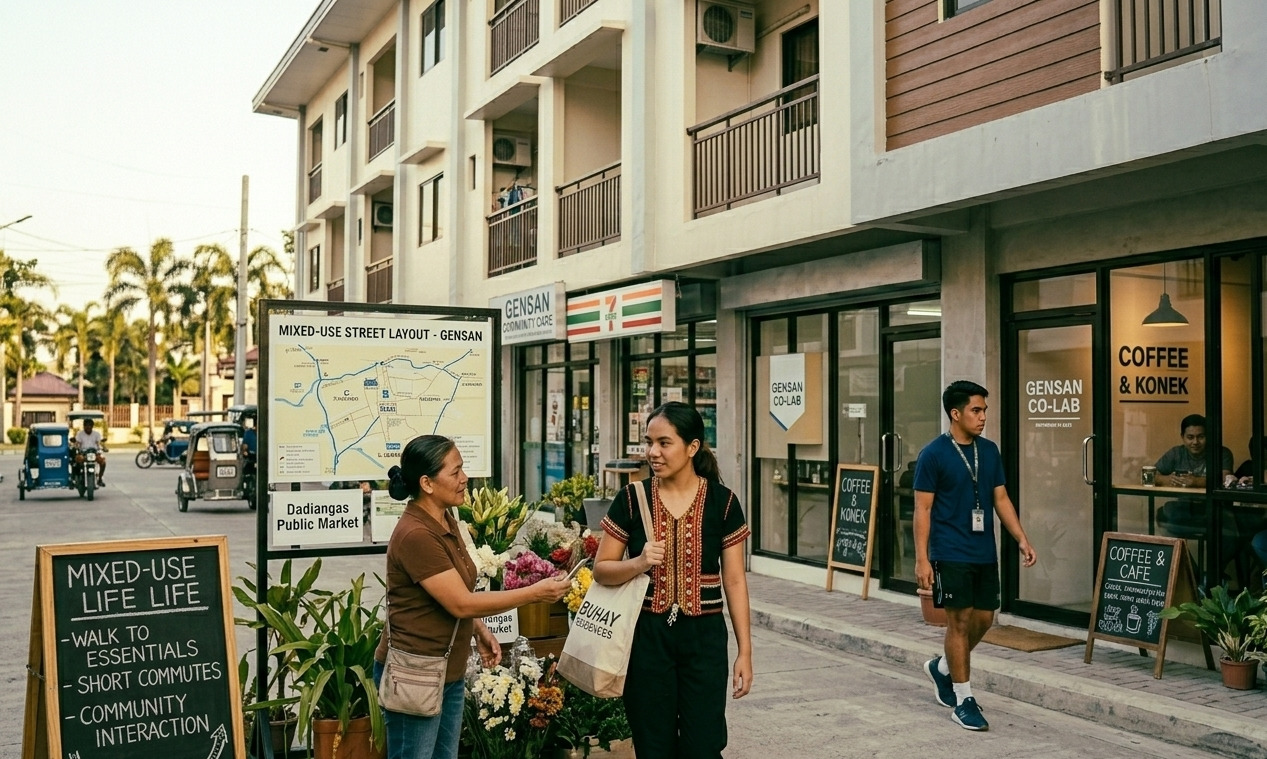
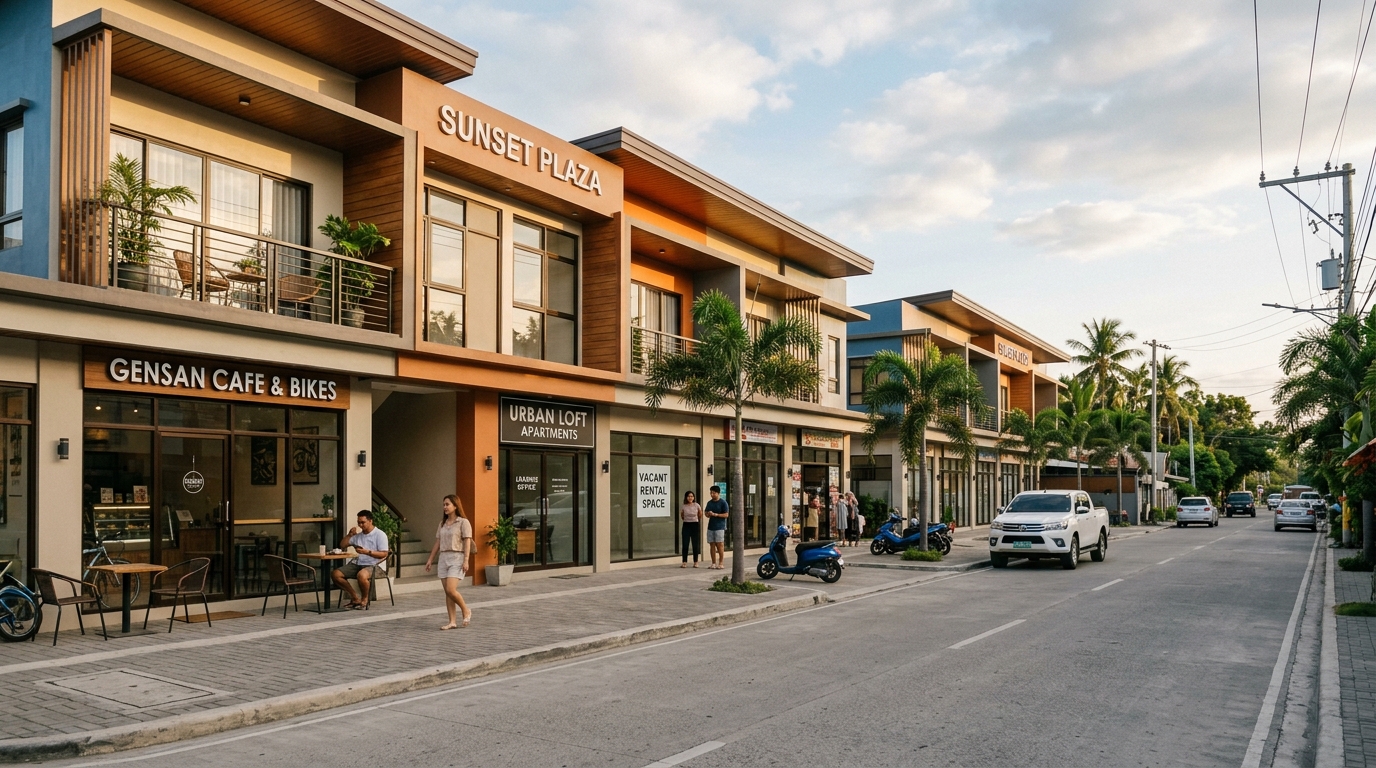
As General Santos grows economically and educationally, rental demand naturally expands alongside population movement. Students, workers, and short-term residents all contribute to the city’s active housing turnover. Rental spaces are becoming an important part of the city’s broader real estate ecosystem. The market continues evolving around mobility and changing work patterns. Urban growth often reveals itself first through housing demand.