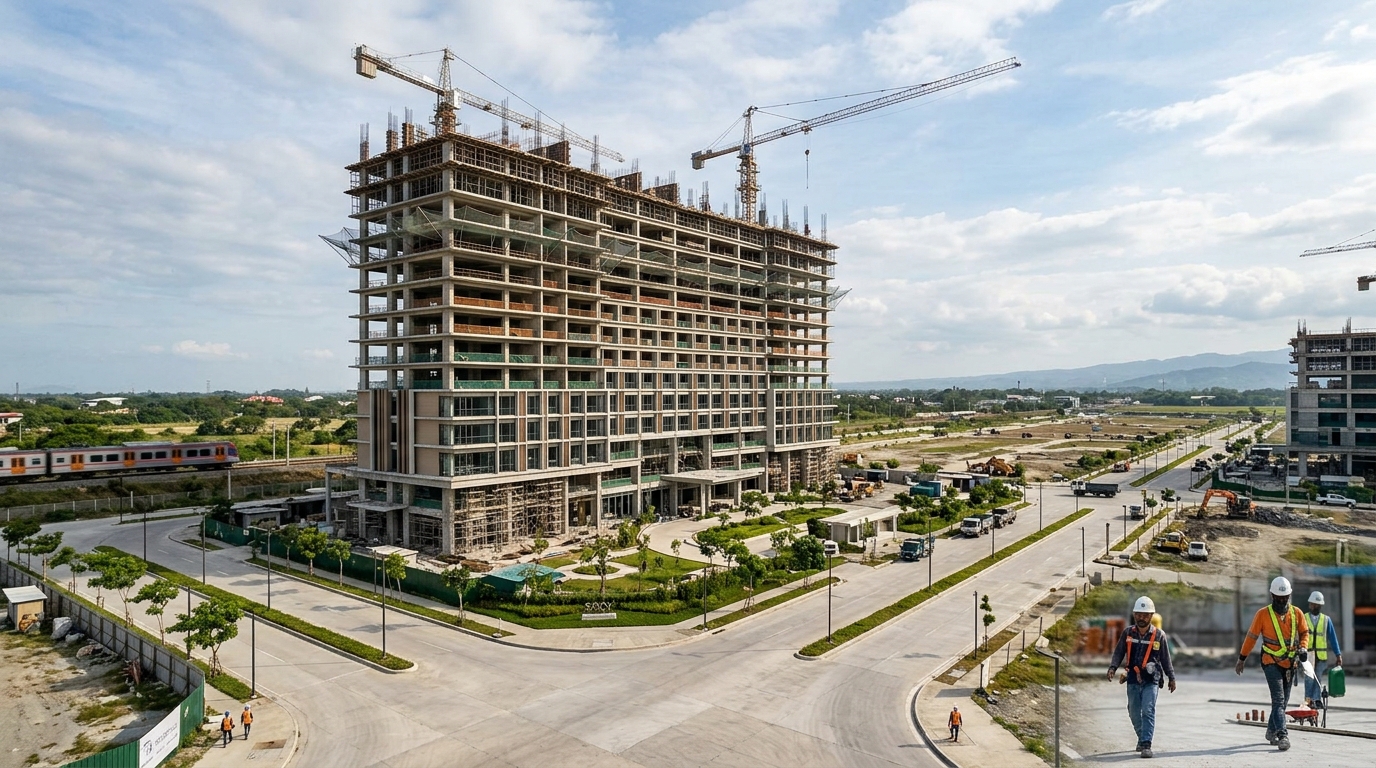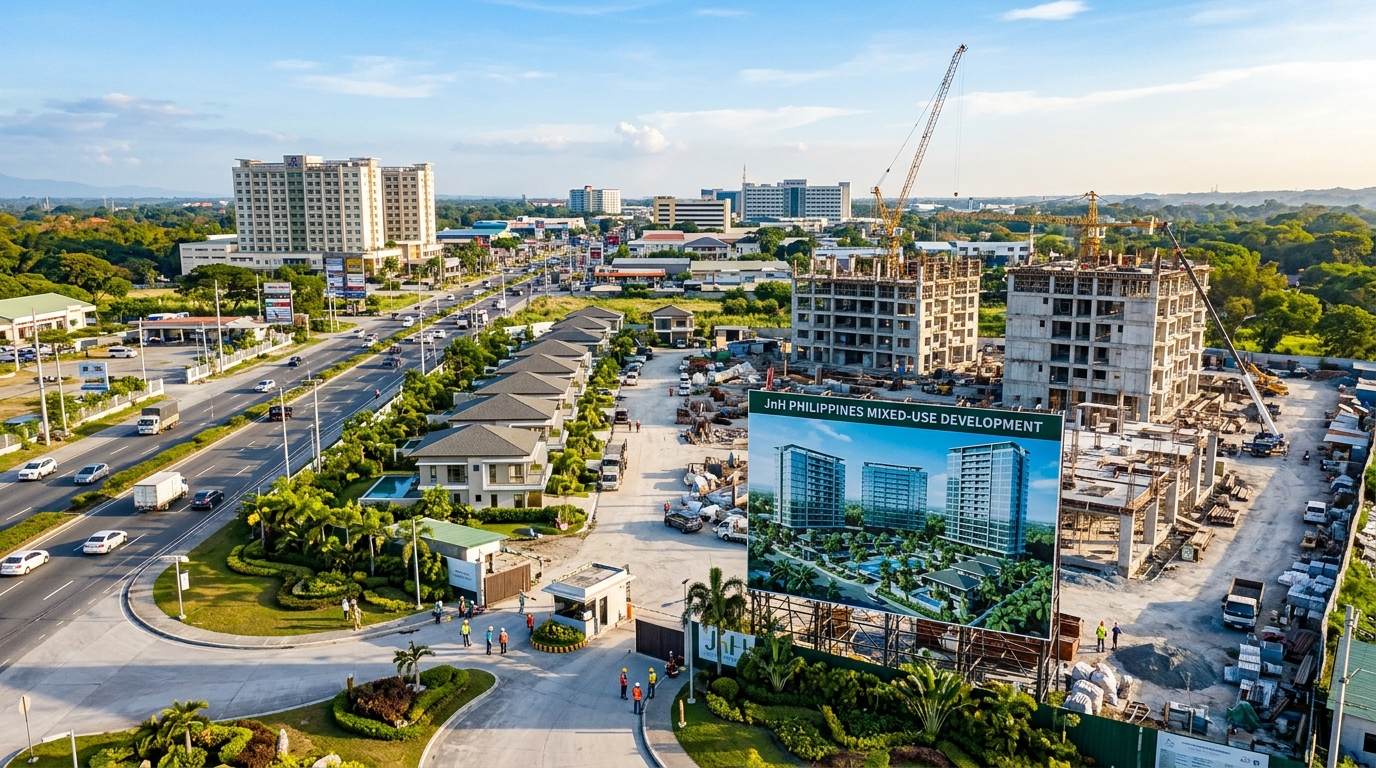
CEBU CITY — More than 10,000 housing units in Cebu are locked out of the market because of delays in securing Licenses to Sell, according to the A Better Real Estate Philippines Movement. ABREP President Anthony Gerard Leuterio warned the backlog is shrinking options for homebuyers and cutting into the livelihood of real estate practitioners. The situation is especially hard on overseas Filipino workers looking for affordable homes.
"The issue is already alarming because there are fewer projects available for sale," Leuterio said. He pointed to the P3 million to P6 million segment—a sweet spot for OFW investors—as particularly affected. With fewer pre‑selling developments available, buyers are forced toward ready‑for‑occupancy units that carry higher price tags. That shift makes it harder for Filipinos abroad to secure a property early.
A Supply Gap That Hits OFWs Hardest
Many OFWs aim to lock in lower pre‑selling prices while they are still working overseas. The current slowdown pushes them toward more expensive inventory. Leuterio noted that the effects extend beyond buyers: licensed brokers, accredited salespersons, and independent agents all depend on a steady pipeline of approved projects to sustain their incomes.
ABREP has urged government agencies to adopt a more predictable and consultative regulatory approach. The group argues that faster LTS approvals would directly support the administration's Pambansang Pabahay para sa Pilipino Program. The 4PH program requires developers to allocate portions of their projects for socialized housing, making timely regulatory action essential.
DHSUD Moves to Clear Regional Backlogs
The Department of Human Settlements and Urban Development has acknowledged the bottleneck. Secretary Jose Ramon Aliling disclosed that an internal audit revealed most pending applications were stuck at regional offices rather than at the central level. To address the problem, DHSUD deployed senior officials to oversee regional operations and clear backlogs.
The initiative is part of the department's Zero Backlog Program, which uses digitalization and direct oversight to speed up processing. The agency expects that streamlining transactions will unlock thousands of units currently awaiting approval. These reforms arrive as the housing sector grapples with higher development costs, rising borrowing rates, and stricter regulatory requirements.
A Collaborative Path Forward
Leuterio emphasized that the movement is not seeking to relax standards. "We need policies that protect buyers while also encouraging developers to build more homes and giving Filipinos more opportunities to own property," he said. ABREP views faster LTS approvals as a practical solution that benefits the entire housing ecosystem, from developers to end‑users.
For the thousands of families waiting for a home and the brokers who serve them, resolving the LTS backlog represents a tangible path forward. The combination of DHSUD's reform efforts and private‑sector advocacy points toward a housing market that can better meet the needs of Filipino buyers across all income segments.