A Café Designed for Staying, Not Just Stopping By
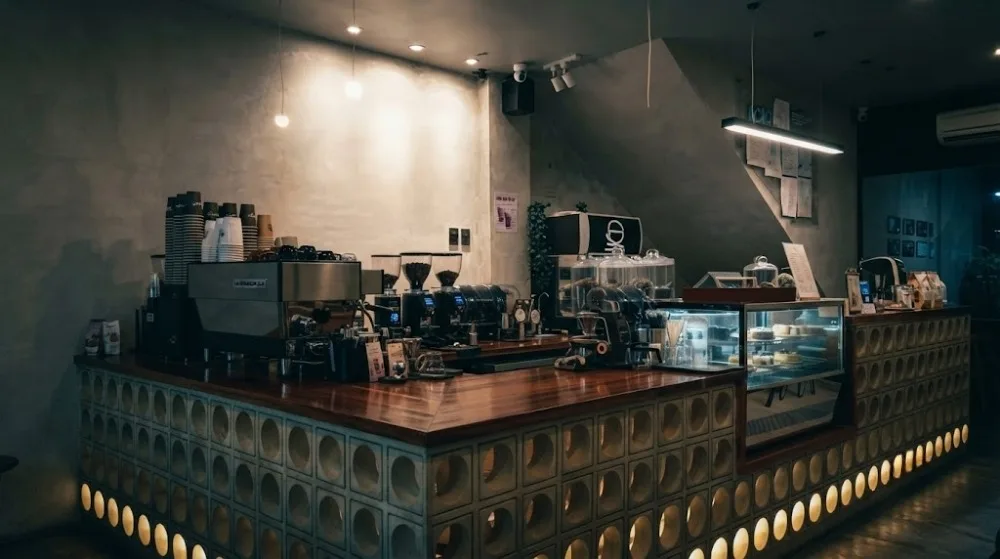
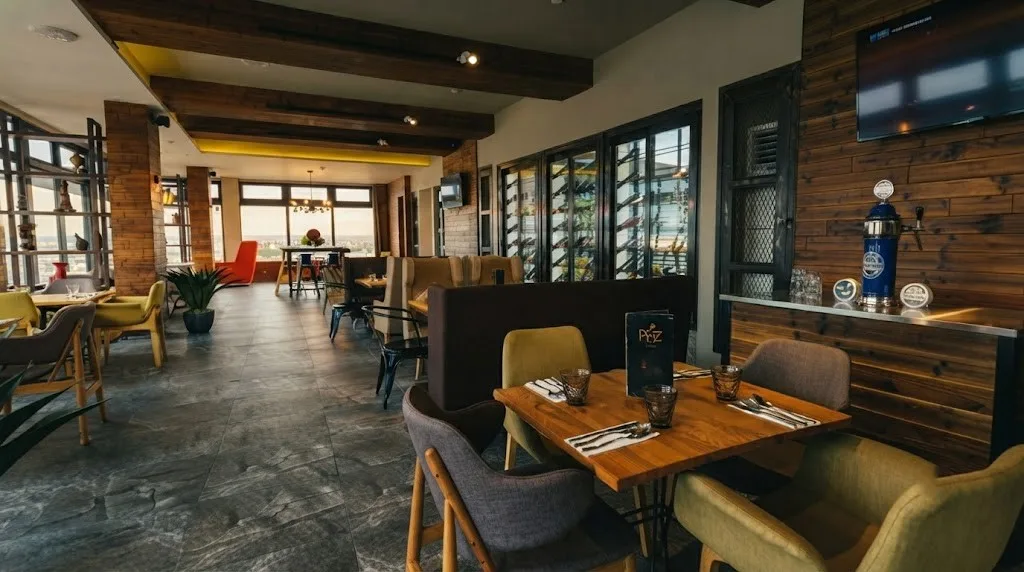
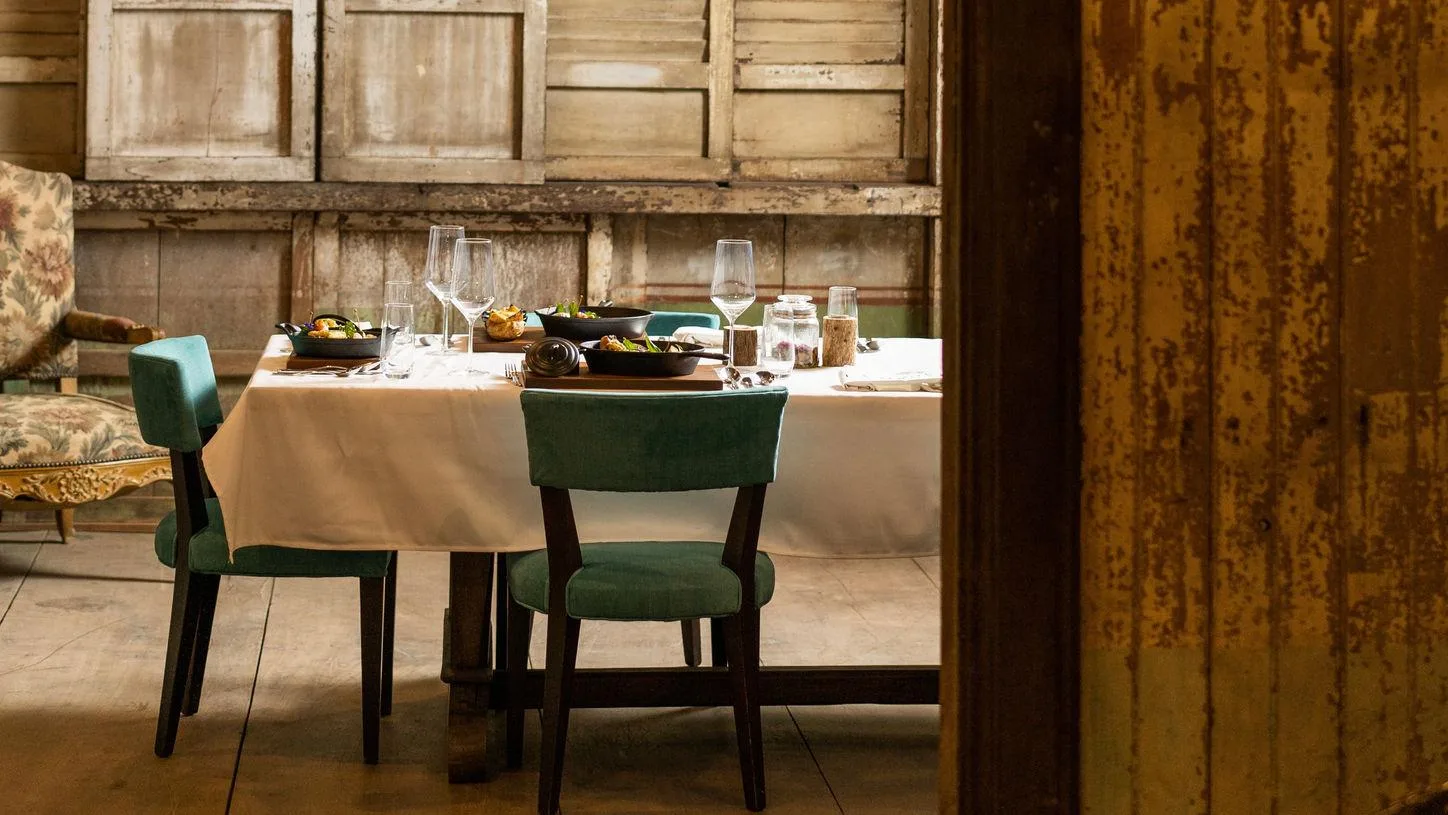
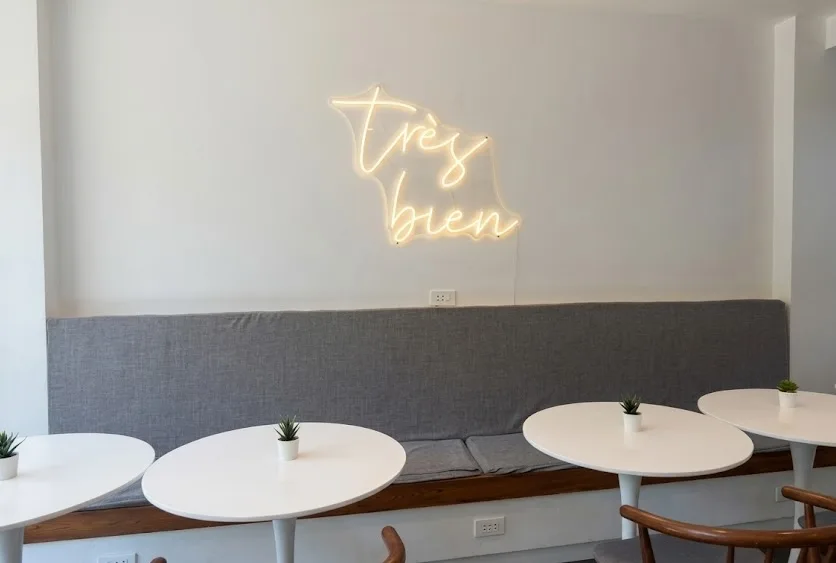
OZAMIZ CITY - Some cafés are built for quick coffee runs, while others invite guests to slow their pace. Tres Coffee belongs to the latter. The café combines modern interiors with warm wooden accents, natural lighting, and comfortable seating that encourages visitors to remain long after finishing their drinks. Instead of feeling like a place where customers come and go in minutes, the space creates an environment suited for reading, casual meetings, creative work, or relaxed conversations. That balance between comfort and simplicity has helped shape the café into a familiar destination for different kinds of visitors throughout the day.
Coffee That Shares the Table With Good Food
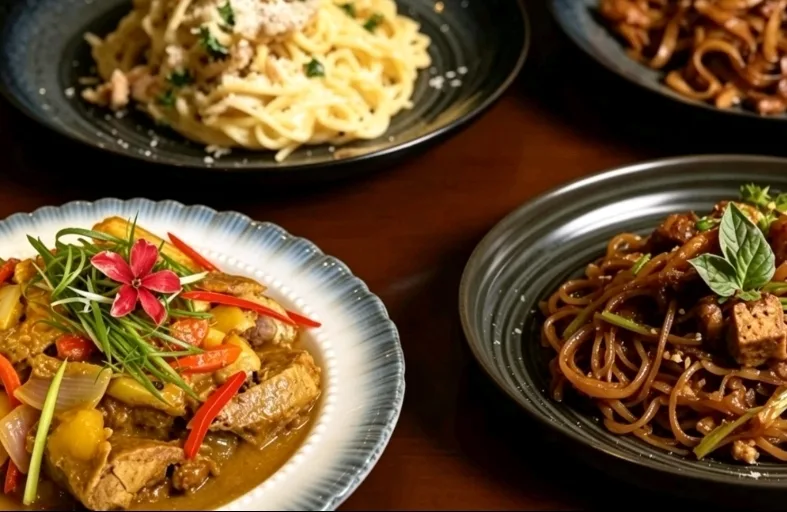
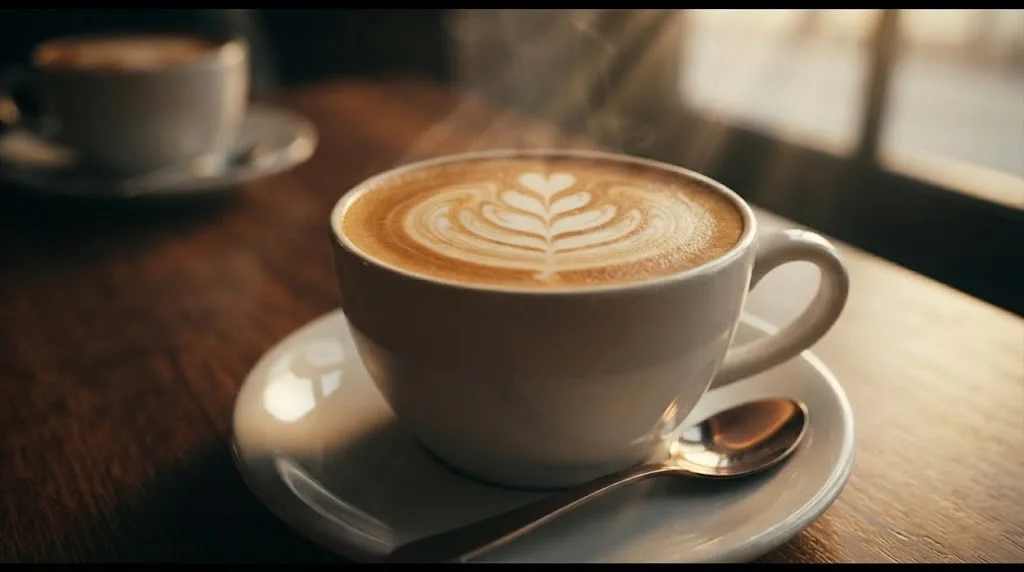
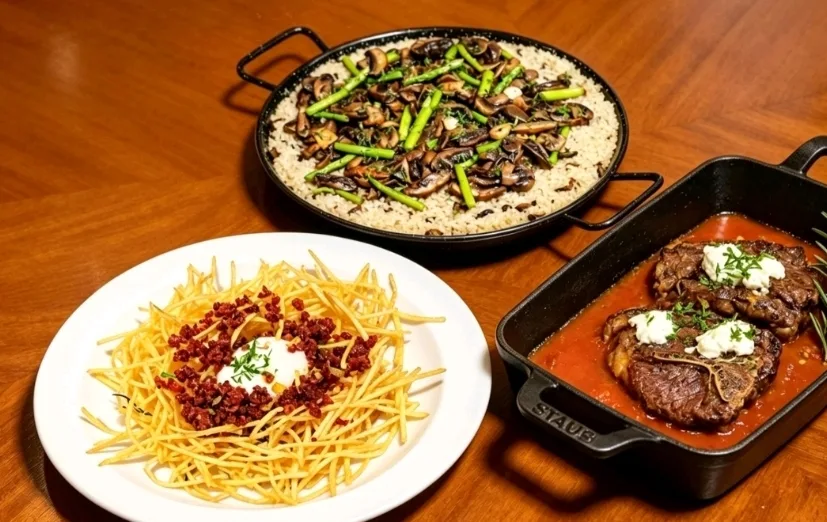
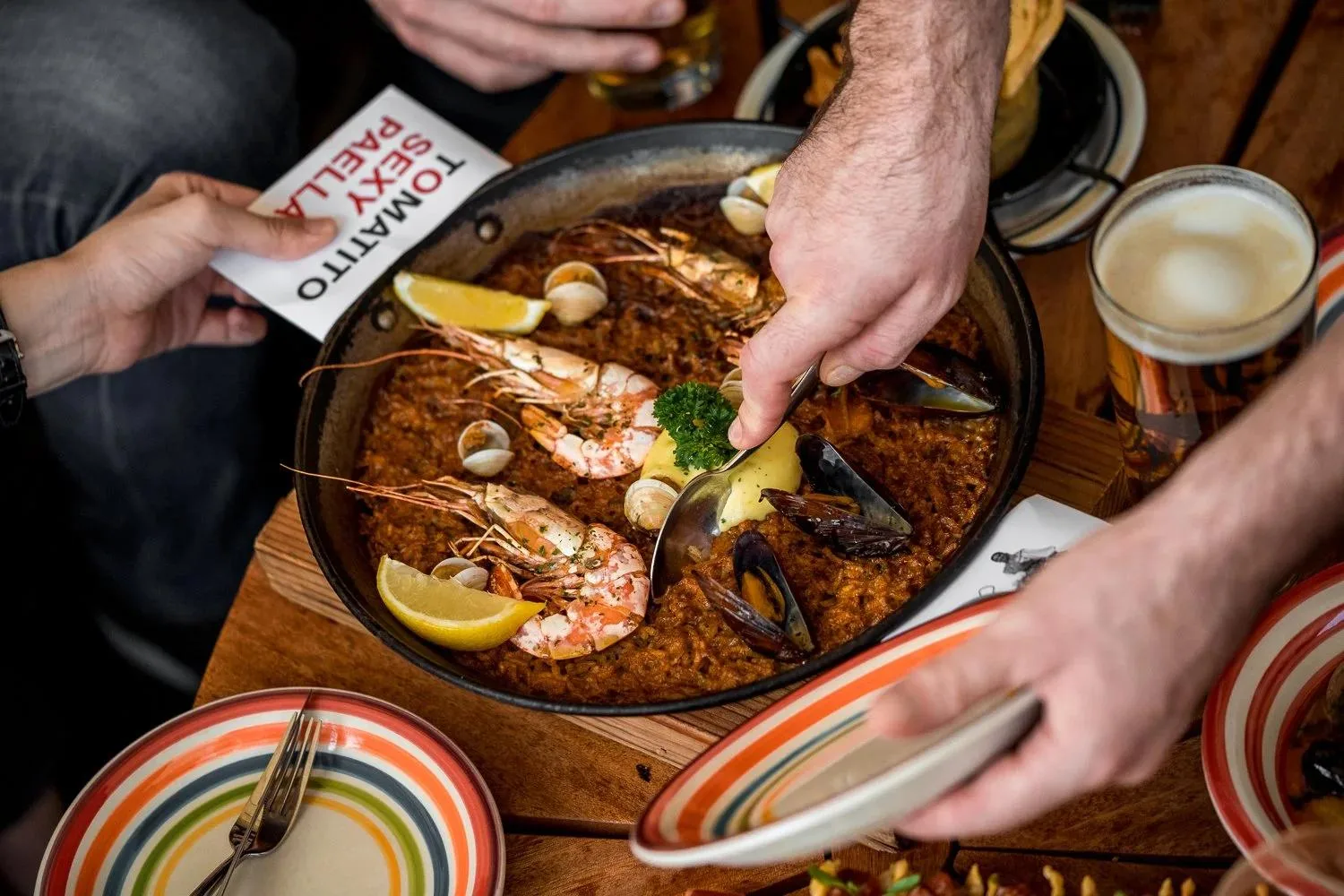
Although coffee remains the centerpiece, the dining experience extends well beyond beverages. Tres Coffee offers meals, pasta dishes, sandwiches, desserts, and specialty drinks that make it suitable for breakfast, lunch, afternoon breaks, or evening gatherings. This variety reflects a growing preference among diners for cafés that can comfortably transition between different occasions without changing locations. A morning coffee meeting can naturally become lunch, while an afternoon dessert can easily turn into an extended conversation. Rather than separating café culture from casual dining, Tres Coffee brings both experiences together under one roof in a relaxed and approachable setting.
The Quiet Role Cafés Play in Everyday City Life
Not every city landmark is a monument or a historic building. Sometimes, memorable places are those where everyday routines unfold. Cafés like Tres Coffee become settings for reviewing school projects, planning business ideas, celebrating milestones, reconnecting with friends, or enjoying moments of solitude. These ordinary experiences rarely appear on travel itineraries, yet they shape how residents experience their own city. As Ozamiz continues to expand its dining choices, spaces that encourage people to linger rather than rush contribute another layer to the city's lifestyle—one measured less by transactions and more by shared time around a table.