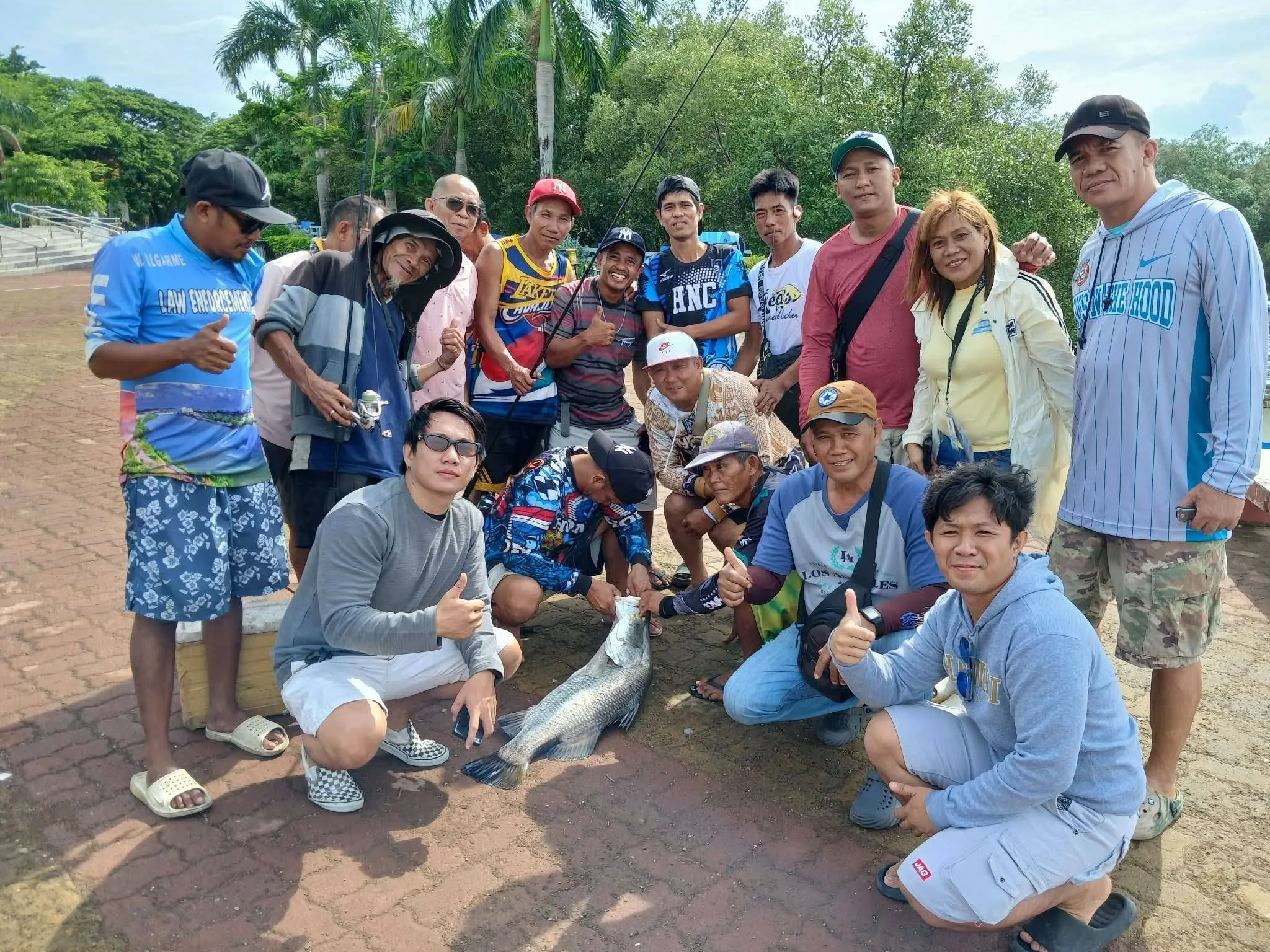
ILOILO CITY — The Iloilo City Agriculturist Office has implemented a closed fishing season for the Asian Seabass, locally known as “Bulgan,” in the Iloilo River. The move safeguards the species during its spawning period, ensuring that future generations can continue to savor this treasured ingredient in Ilonggo cuisine.
A Fish Worth Protecting
The Asian Seabass holds a special place in Iloilo’s culinary identity. Its firm, white flesh and mild, buttery flavor make it a favorite in home kitchens and upscale restaurants alike. Chefs prize it for its versatility, whether grilled over charcoal, steamed with ginger and soy, or simmered in a sour broth of batwan.
The closed fishing season allows the species to reproduce undisturbed, directly impacting the supply that reaches local markets. Without this pause, overharvesting during the breeding window could deplete stocks and drive up prices. The ordinance is not merely an environmental measure—it is a long‑term investment in the city’s food heritage and the livelihoods of its fisherfolk.
Why Sustainability Matters to the Kitchen
A healthy river ecosystem produces fish that taste better and are safer to eat. When spawning grounds are protected, juvenile fish grow to maturity, resulting in larger, more flavorful catches. Chefs and home cooks alike benefit from a consistent supply of quality ingredients that define the region’s dishes.
The closed season aligns with Iloilo’s status as a UNESCO Creative City of Gastronomy, a title that demands responsible stewardship of local food sources. Restaurants that proudly serve Iloilo River Bulgan can tell a story of sustainability to their diners. This narrative adds value to every plate, turning a simple grilled fish into a cultural experience that honors both tradition and environmental care.
From the River to the Table
The Iloilo River has long been a lifeline for the city’s culinary scene, providing freshwater fish, shellfish, and crustaceans to markets and eateries. Asian Seabass is among the most sought‑after species, often featured in fiesta celebrations and family gatherings. Protecting this resource ensures that the river remains a vibrant source of local food.
The City Agriculturist Office emphasized that every protected spawning season means more juvenile fish, healthier rivers, and better harvests for fisherfolk. This cyclical thinking—protect today to harvest tomorrow—is at the heart of sustainable gastronomy. It echoes the Ilonggo value of paghiliusa, or collective responsibility, applied to food security.
A Model for Other Coastal Cities
Iloilo’s initiative sets a precedent for other local governments seeking to balance culinary tourism with environmental conservation. The city demonstrates that gastronomic excellence and ecological responsibility can go hand in hand. By safeguarding a single species, the ordinance strengthens the entire food chain, from fisherfolk to restaurant owners to consumers.
The closed season also encourages creative menu adaptations. During the ban, chefs can highlight alternative local fish, broadening the public’s palate and reducing pressure on a single species. This culinary diversity enriches the dining scene and makes Iloilo an even more compelling destination for food travelers.