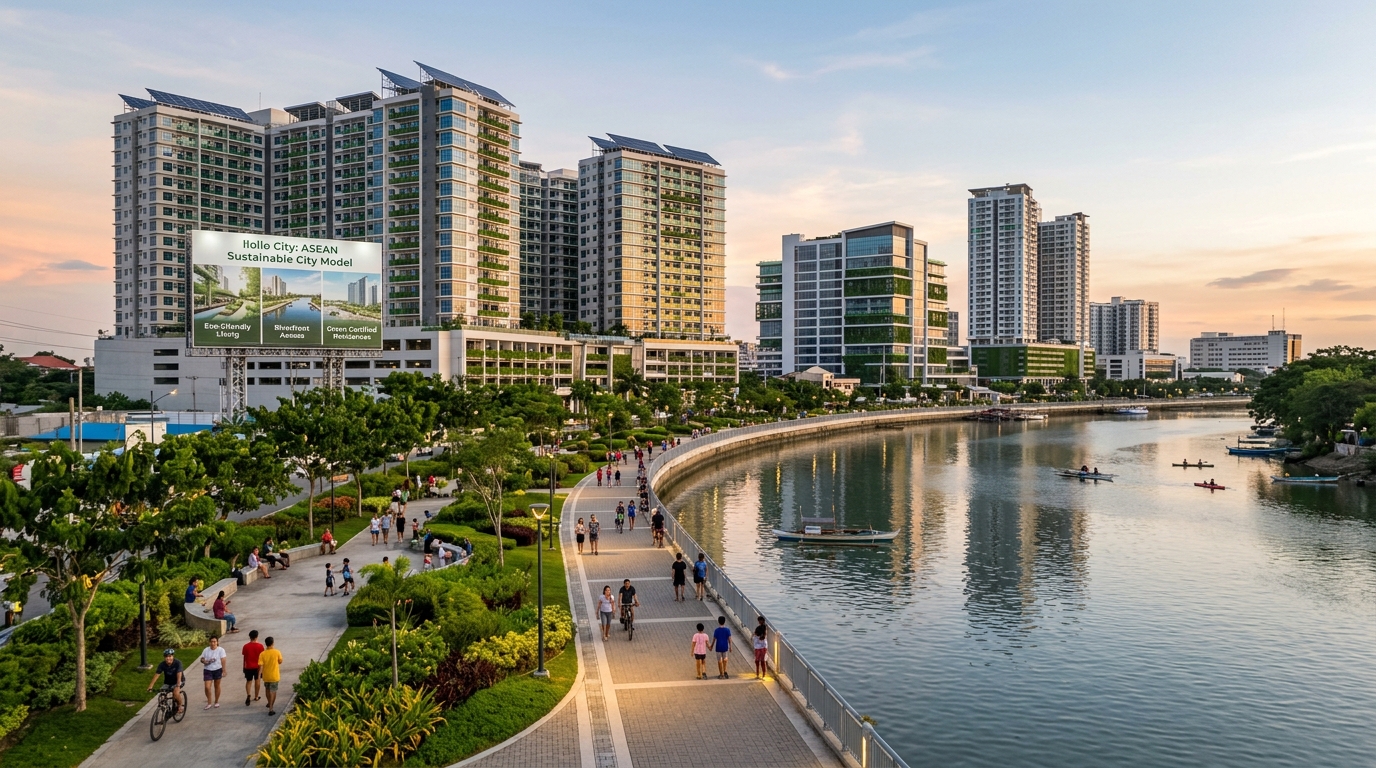
Iloilo City has officially stepped onto the world stage, not just as a regional center, but as the Philippines' first UNESCO Creative City of Gastronomy. This May 2026, the city is buzzing with a renewed sense of pride as it concludes the high-energy Filipino Food Month celebrations, which spotlighted the "democratization of food" through its historic public markets. From the umami-rich depths of La Paz to the delicate wontons of Molo, Iloilo’s culinary identity is a sophisticated tapestry of indigenous ingredients like the batwan fruit, woven together with centuries of Spanish and Chinese influence.
The Soul of the La Paz Public Market
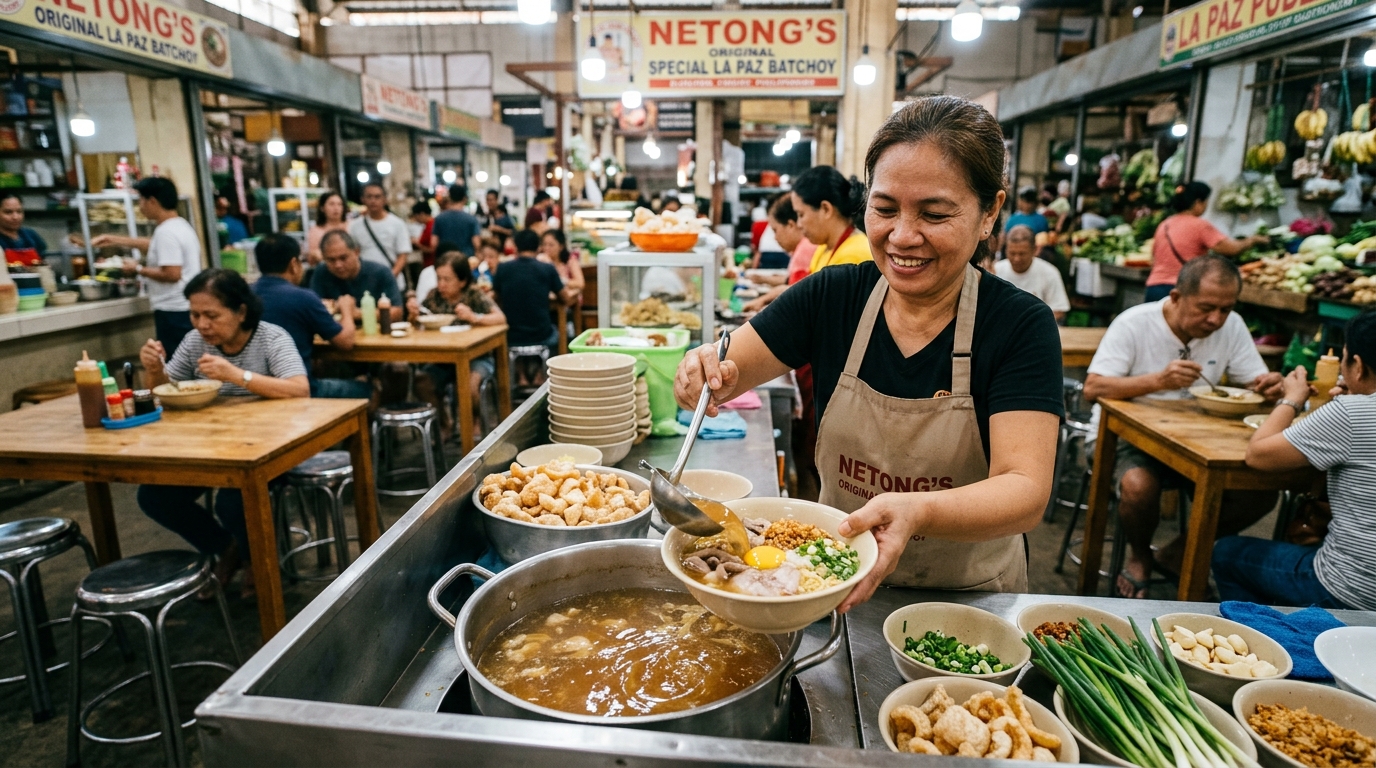
At the heart of the city’s gastronomic map is the newly redeveloped La Paz Public Market, home to the legendary Netong's Original Special La Paz Batchoy. In an April 2026 showcase, third-generation owner Patrick Guillergan revealed that the secret to their enduring success is a "salty-over-sweet" profile that stays true to the 1940s original recipe. This quintessential noodle soup, topped with crushed chicharon and fresh pork offal, is more than just a meal; it is a metaphor for the city’s resilience and commitment to affordable, high-quality nutrition. As part of the 2026 sustainability push, these institutions are now partnering with local agri-nurseries to ensure that every bowl supports the region’s small-scale farmers and vendors.
Dumplings, Jackfruit, and Coconut Broths
The district of Molo offers a different but equally vital narrative through Pancit Molo, a savory wonton soup that serves as the ultimate Ilonggo comfort food. This Chinese-inspired dish, alongside the hearty KBL (Kadyos, Baboy, kag Langka), showcases the creative use of indigenous ingredients like the batwan for a distinct sourness and the pigeon pea for earthy texture. Another standout is the Chicken Binakol, a refreshing soup cooked in coconut water that provides a delicate, sweet-savory balance. These dishes were featured prominently in the "Connected by Taste" symposium held this May, emphasizing how Iloilo uses its diverse landscape—from rivers to uplands—to provide unique flavors that are now recognized alongside global culinary hubs like Macao.
The Art of the Open Flame
Iloilo’s culinary repertoire extends to the smoky streets with its distinct version of Chicken Inasal, which recently ranked among the top chicken dishes in the world according to 2026 international food indices. Local favorites like Tatoy’s Manokan & Seafoods continue to master the lemongrass and citrus marinade that differentiates the Ilonggo style. For those seeking a deeper regional dive, the town of Cabatuan offers Tinuom, a native chicken dish seasoned with tomatoes and lemongrass, then wrapped in banana leaves and boiled to retain every drop of flavor. This focus on "slow food" and traditional techniques is a cornerstone of Iloilo’s 2026 tourism strategy, proving that the city’s best experiences are often wrapped in heritage and cooked over a fire.