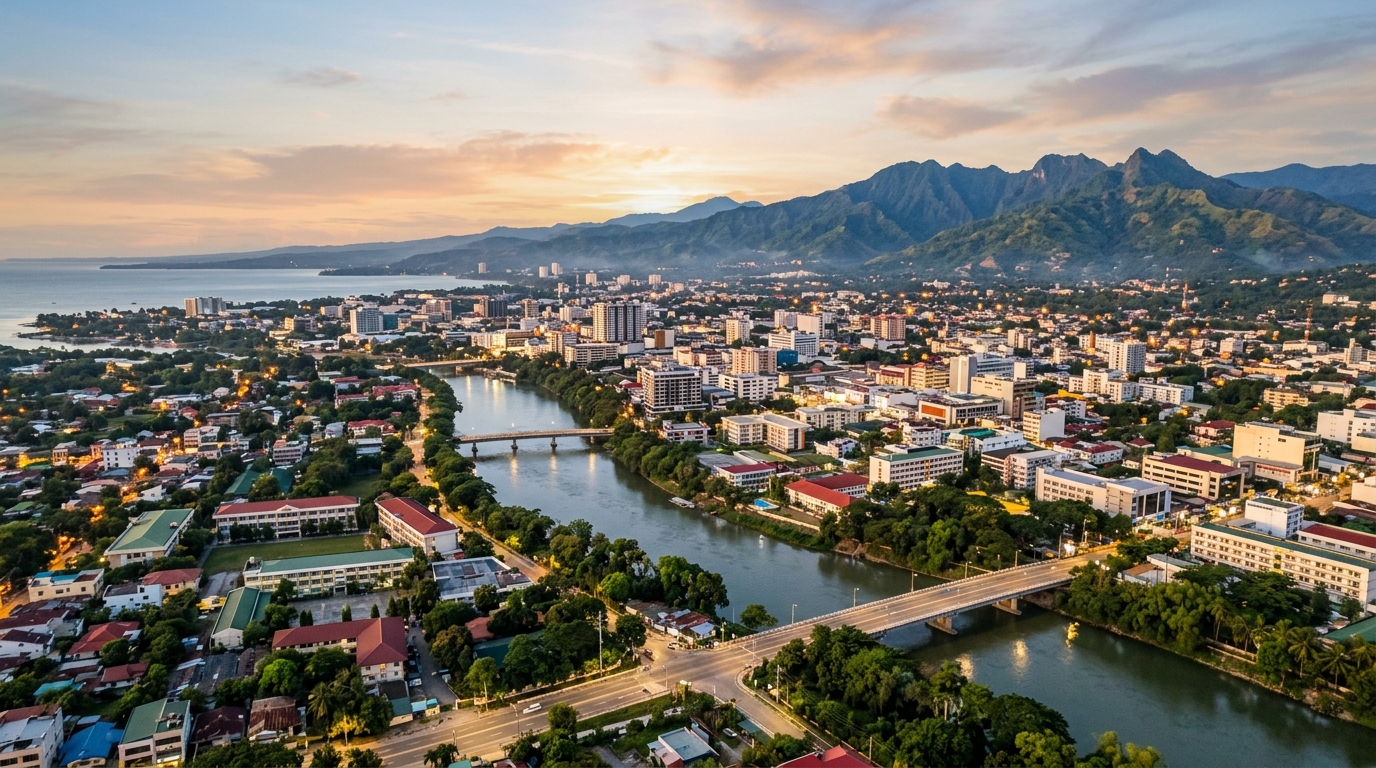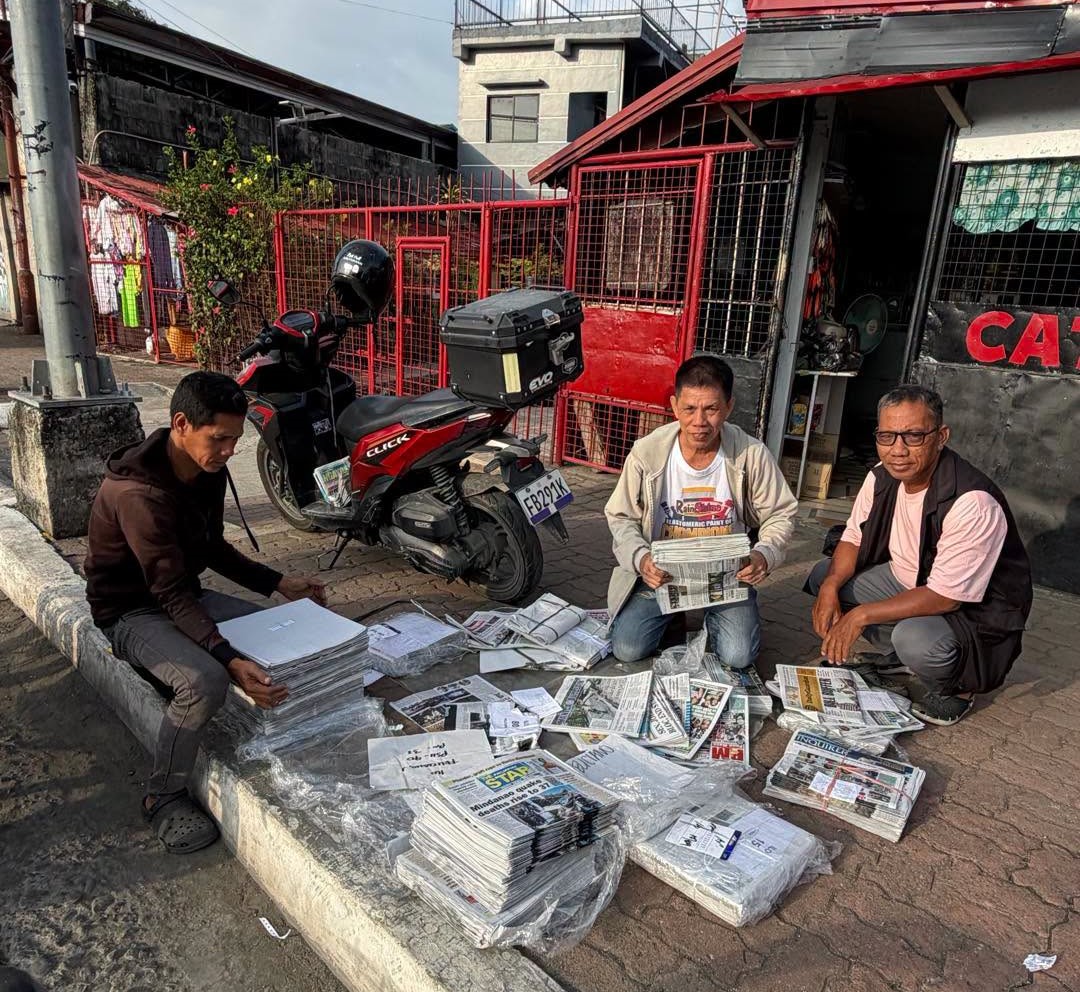
ILOILO CITY — Long before smartphones delivered the day’s headlines with a buzz, the thud of a rolled newspaper on the gate marked the start of morning. Today, that sound is vanishing, but a handful of devoted newspaper boys still pedal through Iloilo’s streets to keep a dying tradition alive.
The Keepers of the Dawn
Migo Lando, Migo Boots, and Migo de Roy are three of only five newspaper boys left in the city. Their morning rounds begin before sunrise, when the streets are still quiet and most of the world is asleep. They carry not just papers but a ritual that once defined how Ilonggos welcomed a new day.
The numbers tell a stark story of change. The city once consumed around 10,000 newspapers each morning, with eager hands reaching for the door. Now, the same deliveries have shrunk to roughly 600 copies, and most recipients are senior citizens who never switched to glowing screens. The three Migos have watched their customer list shrink year after year.
A Family Ritual Lost
There was a time when the morning paper was a shared family experience. Fathers headed straight for the national headlines, while sports‑mad sons pulled out the back pages before anyone else could grab them. Others waited impatiently for the entertainment section, where showbiz gossip and comic strips offered a lighter start to the day.
The newspaper was not just about staying informed; it was a quiet anchor of daily life. It sat on the breakfast table alongside coffee and pandesal, passed from one hand to another without hurry. The ritual of reading, folding, and passing sections created a rhythm that today’s endless scrolling can never quite replicate.
Speed Versus Stillness
Modern news arrives in seconds, pinging constantly on devices that never leave our pockets. It is undeniably faster and more convenient than waiting for a boy on a bicycle. Yet many who grew up with the morning paper admit that something intangible has been lost in the shift to digital.
There is a tactile pleasure in holding a newspaper, in the faint smudge of ink on fingertips and the rustle of broadsheet pages. The physical act of reading a paper encourages a slower, more deliberate absorption of stories. That quiet, focused space is increasingly rare in a world of infinite scroll.
The Last Loyal Readers
Most of the Migos’ remaining customers are elderly, people who grew up with the paper and see no reason to abandon it. For them, the morning delivery is not just about news but about continuity, a familiar presence that says the world is still turning as it should. They often wait by the gate, greeting the boys by name.
The newspaper boys know their customers personally, remembering who prefers the paper tucked under the mat and who needs it placed on the porch. This human connection is something an app notification can never offer. It is a bond built over years of early mornings and shared routines.
Pedaling Through Change
The Migos have no illusions about the future; they know the newspaper boy may one day become a memory. But until that day comes, they will continue their rounds. They pedal through the dark to deliver more than just folded pages—they carry a piece of how the city once woke up.
Their work is a quiet reminder that some traditions are worth preserving, even as the world races ahead. The thud of the paper on the gate may be fading, but for a few more mornings, it will still echo in Iloilo’s dawn.