ILOILO CITY — A landmark ordinance now permanently bars coastal reclamation and establishes a strict 100‑meter no‑build zone along this city’s entire shoreline. The measure, approved on July 6, 2026, promises to reshape waterfront real estate while fortifying the city against climate threats.
A 100‑Meter Greenbelt for Climate Defense
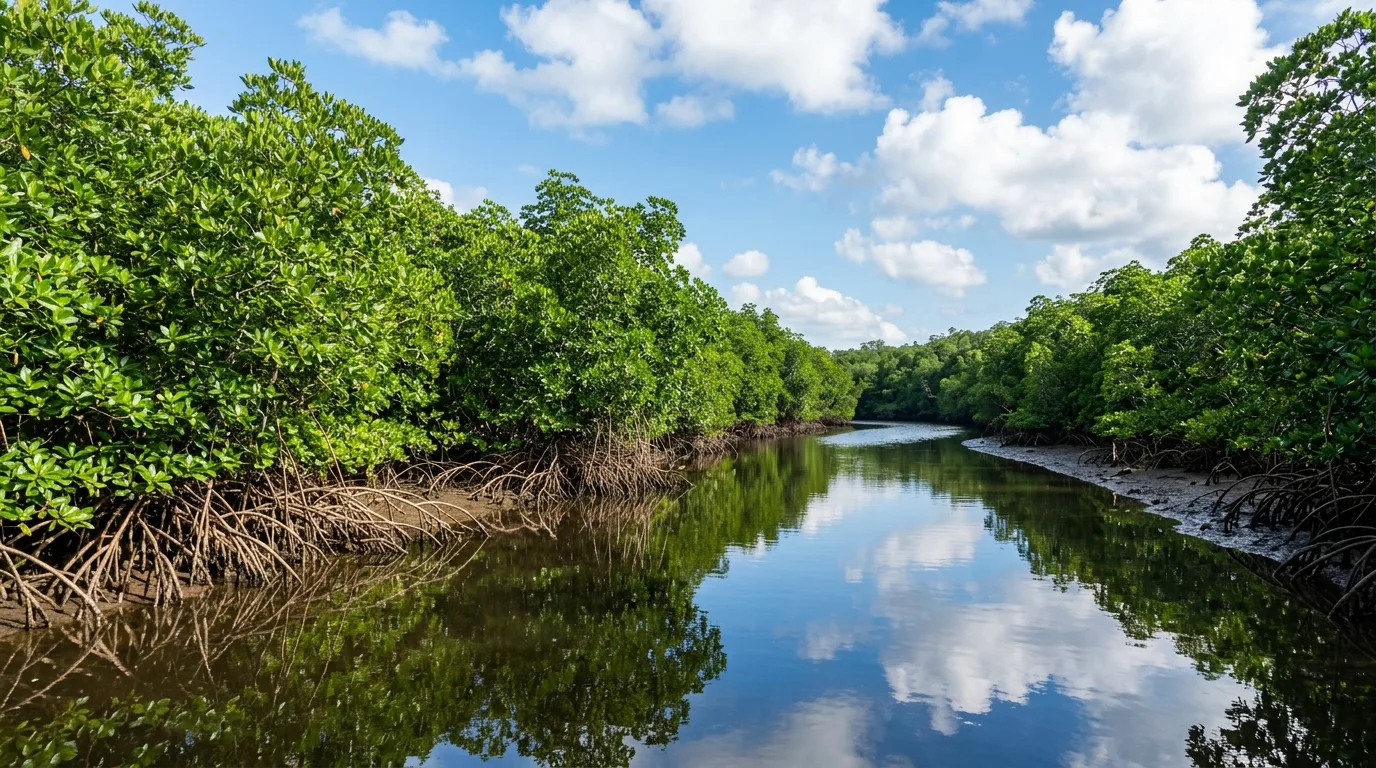
The Coastal Greenbelt Zone Ordinance designates roughly 110 hectares of mangrove forests as protected greenbelts across all 32 coastal barangays. The buffer begins at the mean high‑water mark and extends 100 meters inland, creating a natural barrier against storm surges, erosion, and sea‑level rise. This wide greenbelt effectively removes developable land along the coast, directly influencing property supply and values.
Councilor Romel Duron, the ordinance’s author, stressed that mangroves and coastal forests must be optimized as defenses against extreme weather. The law recognizes that intact greenbelts do more than protect the environment—they shield homes, businesses, and future developments from the escalating costs of climate damage. For the real estate sector, this translates into reduced long‑term risk for properties located behind the protected zone.
Total Reclamation Ban Protects Shoreline
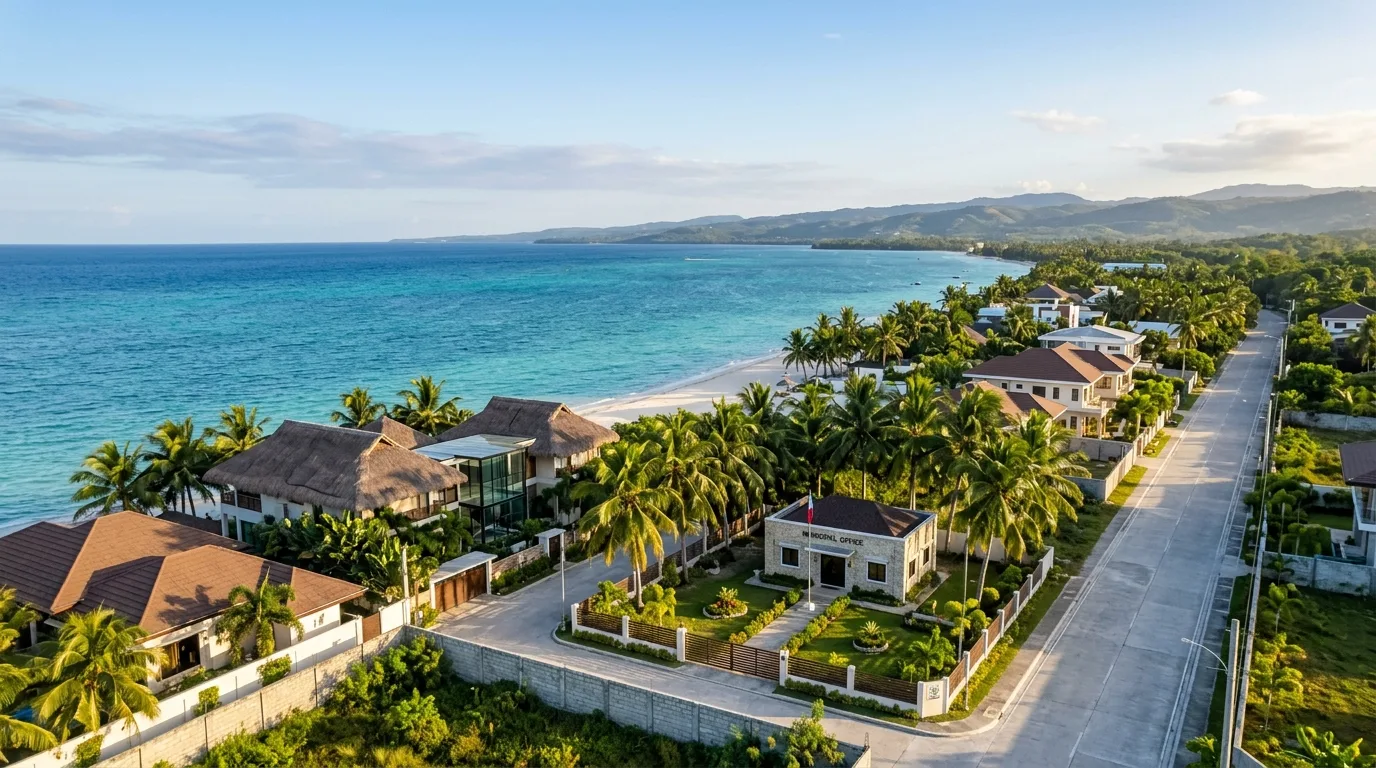
The ordinance imposes a blanket prohibition on all forms of coastal reclamation, artificial land expansion, and the dumping of filling materials within the greenbelt and its adjacent marine areas. No city office or private entity may propose, endorse, or undertake reclamation projects in these zones. The ban closes the door on large‑scale waterfront developments that once promised luxury views but threatened mangrove ecosystems.
By halting reclamation, the city stabilizes its shoreline and preserves the ecological services that underpin coastal property resilience. Developers who previously eyed the coast for high‑end projects must now pivot inland, potentially raising the value of existing upland and infill lots. The restriction also protects the scenic coastline that contributes to Iloilo’s tourism appeal, an increasingly important factor for residential buyers.
Enforcement and Penalties
A Coastal Greenbelt Zone Committee chaired by the city mayor will oversee implementation, conduct mangrove inventories, and coordinate rehabilitation programs. The city will install marine buoys and onshore monuments to mark protected boundaries, making it clear where development ends. An annual ₱5‑million budget supports enforcement, education, and monitoring.
Any permanent or temporary structure built inside the 100‑meter buffer is automatically declared a public nuisance and will face immediate summary demolition at the owner’s expense. Individuals violating the ordinance face a ₱2,500 fine per offense or imprisonment of one to two months. Commercial establishments risk ₱4,000 fines, up to six months in jail for responsible officers, and cancellation of business permits.
Traditional Livelihoods Preserved
While construction is banned, the ordinance protects small‑scale artisanal fishing. Registered fishermen and gleaners may continue using non‑destructive gear such as fish traps, hook and line, spears, crab lifts, and manual shell gathering, provided mangrove roots are not damaged. This balance safeguards the informal economy that sustains coastal families.
Prohibited activities include unauthorized mangrove cutting, propagule collection for commercial use, solid waste dumping, firewood gathering, and the conversion of mangroves into fishponds. Destructive fishing with dynamite, cyanide, or fine‑mesh nets is strictly outlawed. The rules ensure that the greenbelt remains productive for communities without being sacrificed to commercial exploitation.
Fraudulent Land Titles Spark Action
The ordinance emerged after a City Council probe uncovered allegedly fictitious homestead patents covering over 50 hectares of mangrove areas. Investigators found that patent numbers matched records from other provinces, not Iloilo, pointing to possible land‑title fraud. The discovery added urgency to the law’s passage.
Separately, two 25‑year fishpond lease agreements covering more than 60 hectares in Jaro were granted to a private firm in January 2025. The sites overlap with or lie adjacent to protected mangrove forests, prompting the council to question the validity of the permits. These findings convinced lawmakers that a total ban was the only way to stop the systematic conversion of public coastal assets.