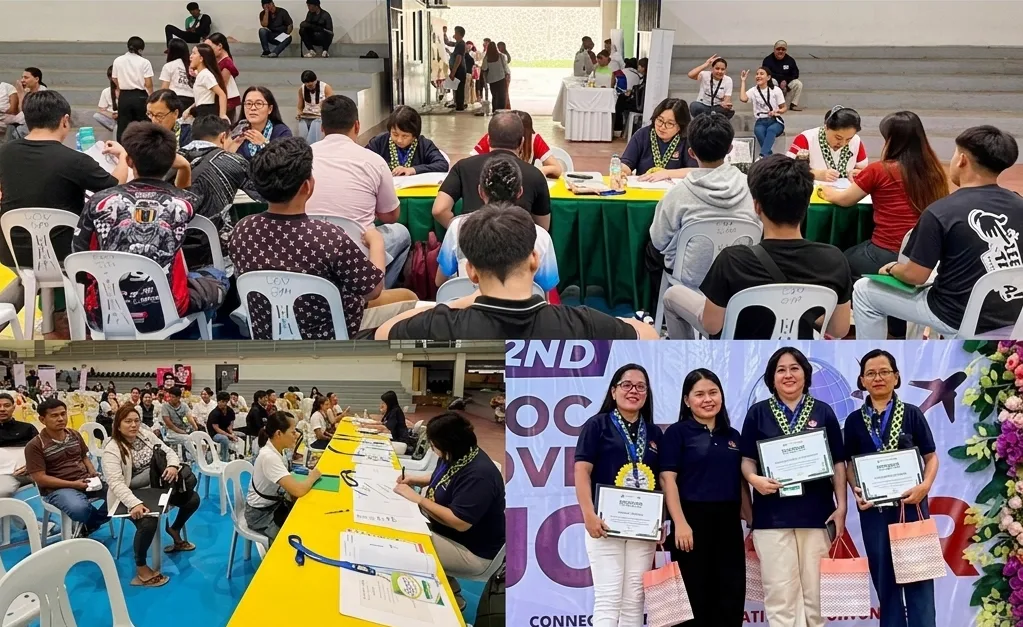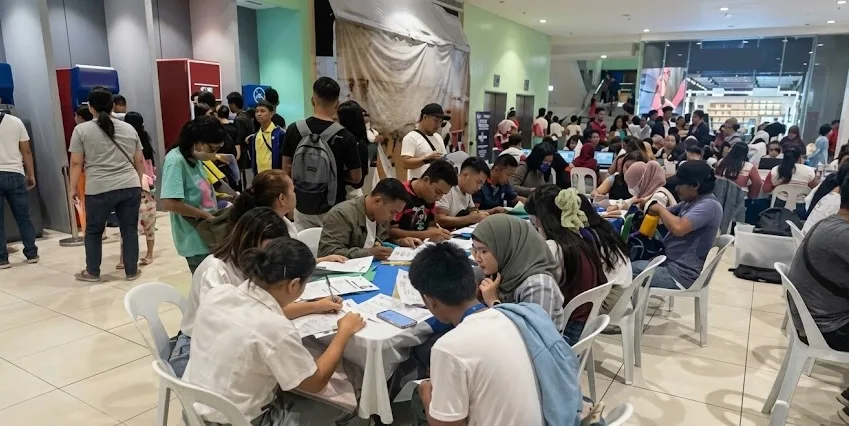
ILOILO CITY — The first batch of workers under the KAYA Emergency Employment Program reported to their assignments on July 7, 2026, as Iloilo City began deploying 7,500 residents in a ₱30‑million temporary jobs initiative. The rollout prioritizes immediate income relief while channeling labor into flood control and public service tasks across the city.
Phased Wages Reach Three Monthly Cohorts
Each beneficiary receives ₱4,000 for a 10‑day work cycle, pegged at a daily rate of ₱400. The program splits the total 7,500 slots into three staggered groups of 2,500, spread across June, July, and August to ensure orderly deployment. Workers earn wages that meet the city’s commitment to providing a safety net for families hit hard by rising prices.
The City Public Employment Service Office manages the payroll and scheduling, drawing funds from the regular city budget and Supplemental Budget No. 1. PESO Head Gabriel Felix Umadhay noted that the 10‑day cycle is designed to inject quick cash into households while opening doors to longer‑term livelihood assistance.
Environmental Crews Tackle Flood‑Prone Waterways
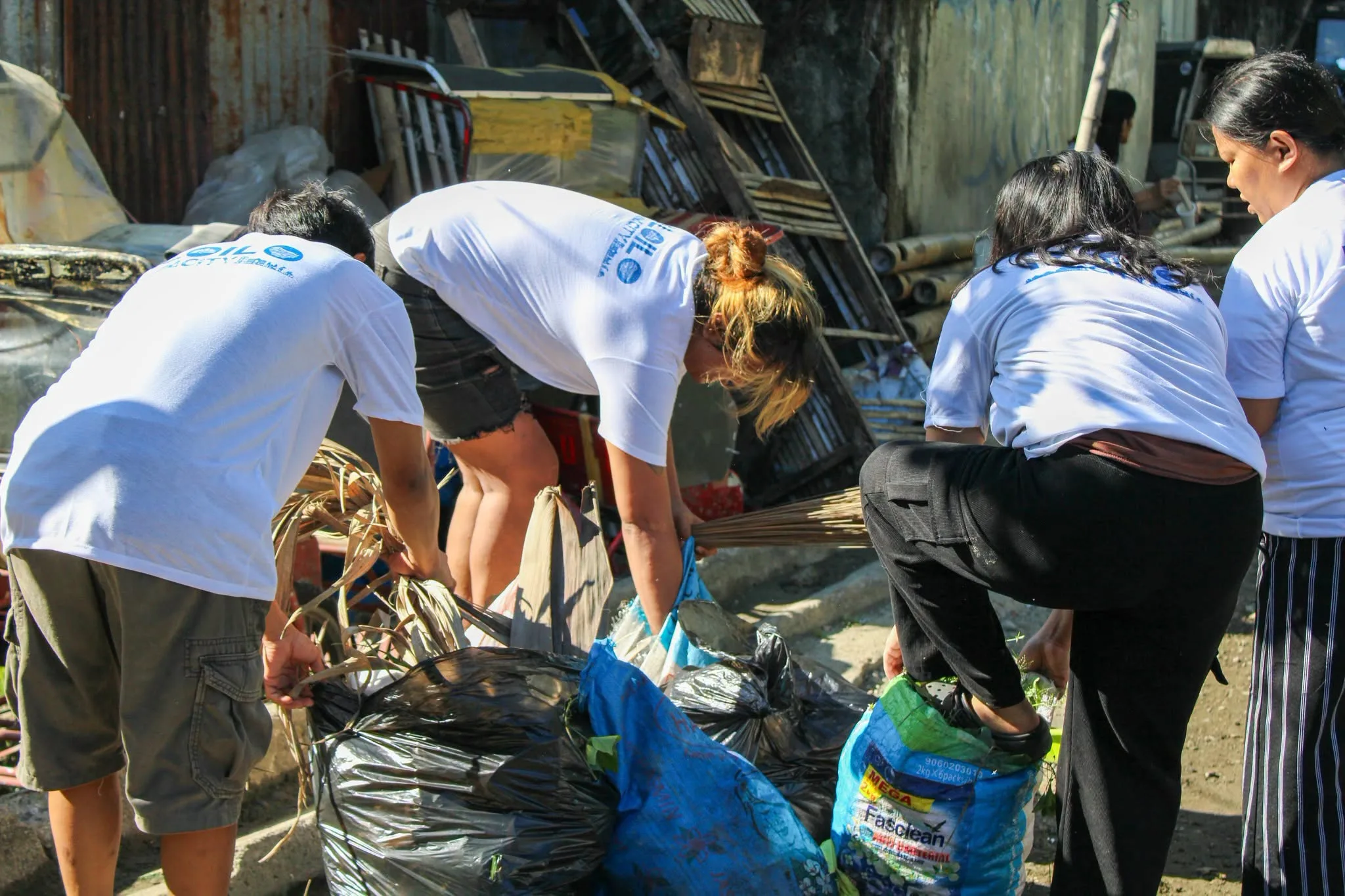
A large segment of the KAYA workforce was deployed directly to creek‑clearing operations under Oplan Kontra Baha. Workers remove silt and garbage from canals, drainage lines, and inland waterways to reduce flooding risks ahead of the rainy season. Their daily labor functions as both a wage‑earning activity and a critical public safety measure.
Teams also clean public plazas, markets, and sidewalks, eliminating stagnant water pockets that breed dengue‑carrying mosquitoes. By linking temporary employment to environmental health, the program turns each work shift into a direct investment in neighborhood safety and urban resilience.
Office Placements Ease Administrative Backlogs
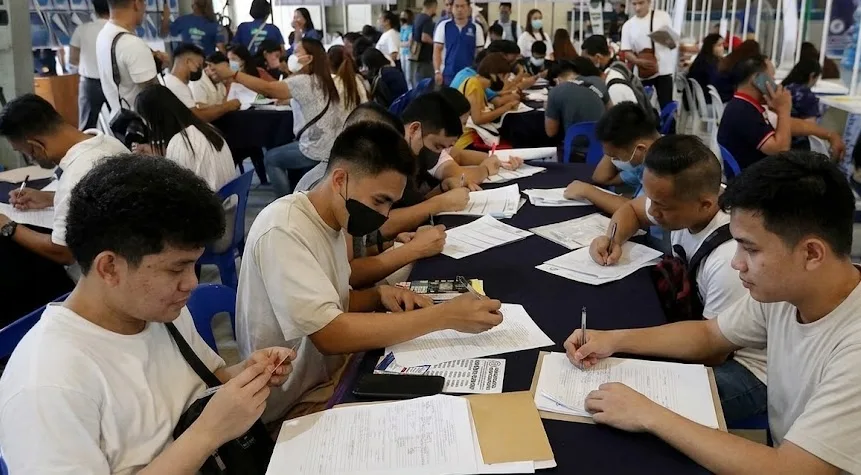
Other beneficiaries serve inside barangay halls and city government offices, handling clerical duties, data encoding, and general maintenance. These placements address staffing gaps in local administrative operations while giving workers exposure to structured workplace routines. The experience builds basic office skills that can strengthen future job applications.
Assignments are matched to skills where possible, but even entry‑level tasks provide a sense of routine and purpose for individuals who had been out of work. For displaced office workers, the temporary posting offers a bridge back into a professional environment while they search for permanent employment.
PESO Monitors Day‑One Deployment
Field teams from PESO conducted immediate on‑site monitoring as the first batch clocked in. They guided supervisors on attendance tracking, addressed safety concerns, and resolved initial logistical snags. The presence of PESO personnel signaled that the city intends to run the program with accountability and worker protection at the forefront.
Monitoring will continue throughout each cohort’s 10‑day stint to ensure wages are processed on time and work conditions remain fair. The city views the oversight mechanism as essential to maintaining public trust and preventing any misuse of the ₱30‑million allocation.
Mayor Treñas Frames the Program as a Worker Sanctuary
Mayor Raisa Treñas emphasized that the KAYA program reflects a broader vision of local government as a refuge for economically strained families. She stated that emergency employment, job opportunities, and direct support for vulnerable sectors remain central to the city’s agenda. The comment reframes a wage program as a pillar of worker dignity rather than a mere stopgap.
City Hall intends for KAYA to do more than distribute paychecks; it aims to restore confidence among residents who lost income streams. By investing in public works and environmental services, the program creates visible community improvements that beneficiaries can take pride in long after their 10‑day cycle ends.