ILOILO CITY — In the face of rapid urbanization, Iloilo City is flipping a conventional script: instead of viewing mangroves and wetlands as idle spaces waiting for development, it is aggressively investing in them as natural capital. This shift, championed by the Office of the City Environment and Natural Resources Officer (OCENRO), is not just an environmental stance—it is a calculated strategy to boost long‑term livability and property values.
Nature as an Investment, Not an Expense
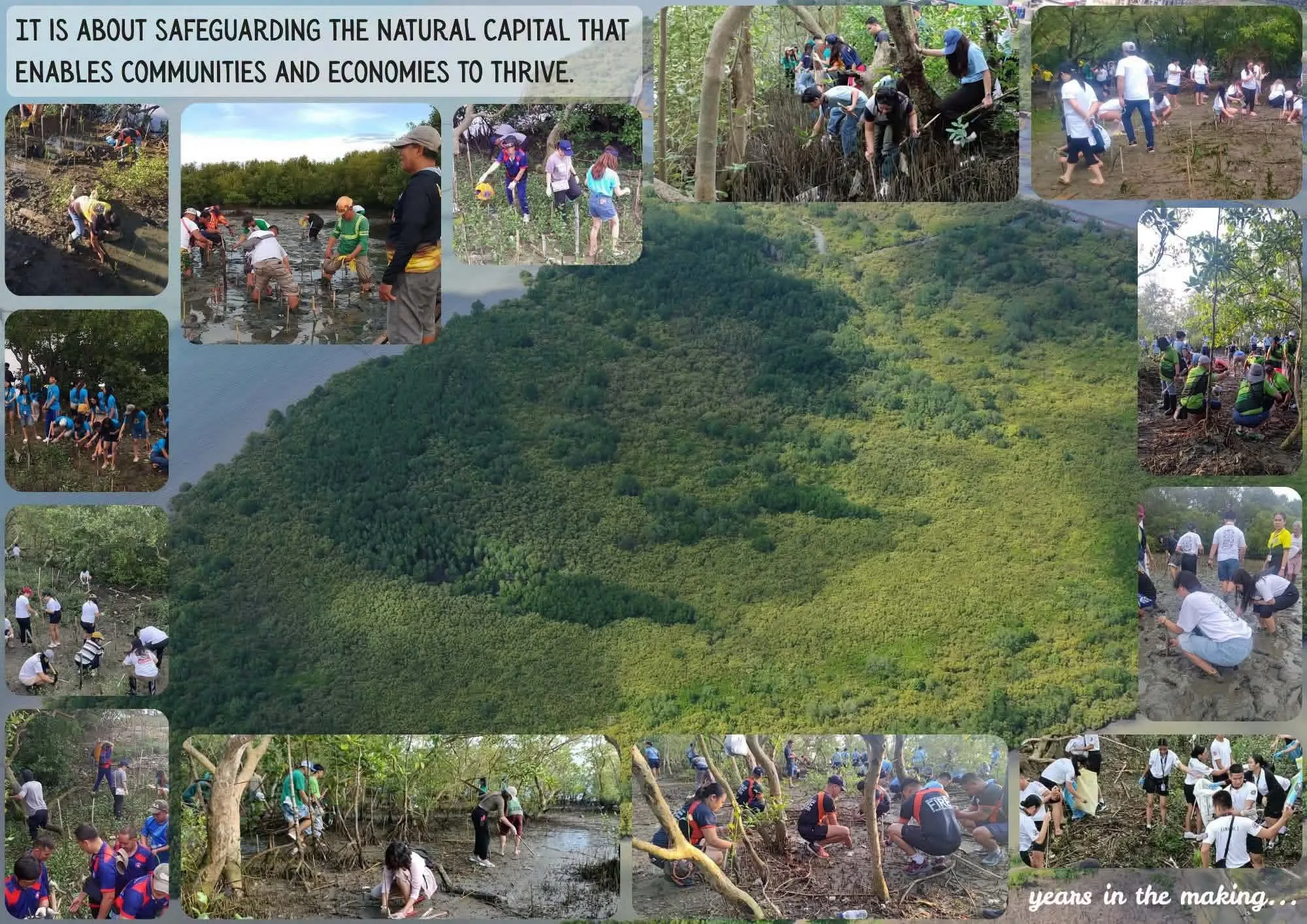
OCENRO’s rising livability framework is built on the principle that healthy ecosystems are the bedrock of a resilient economy. The city is moving beyond mere conservation, actively restoring and expanding its natural defenses. Since August 2025, the I‑Greens Program has planted over 16,400 mangroves and 3,200 native trees, transforming the coastline into a living shield against storm surges and erosion.
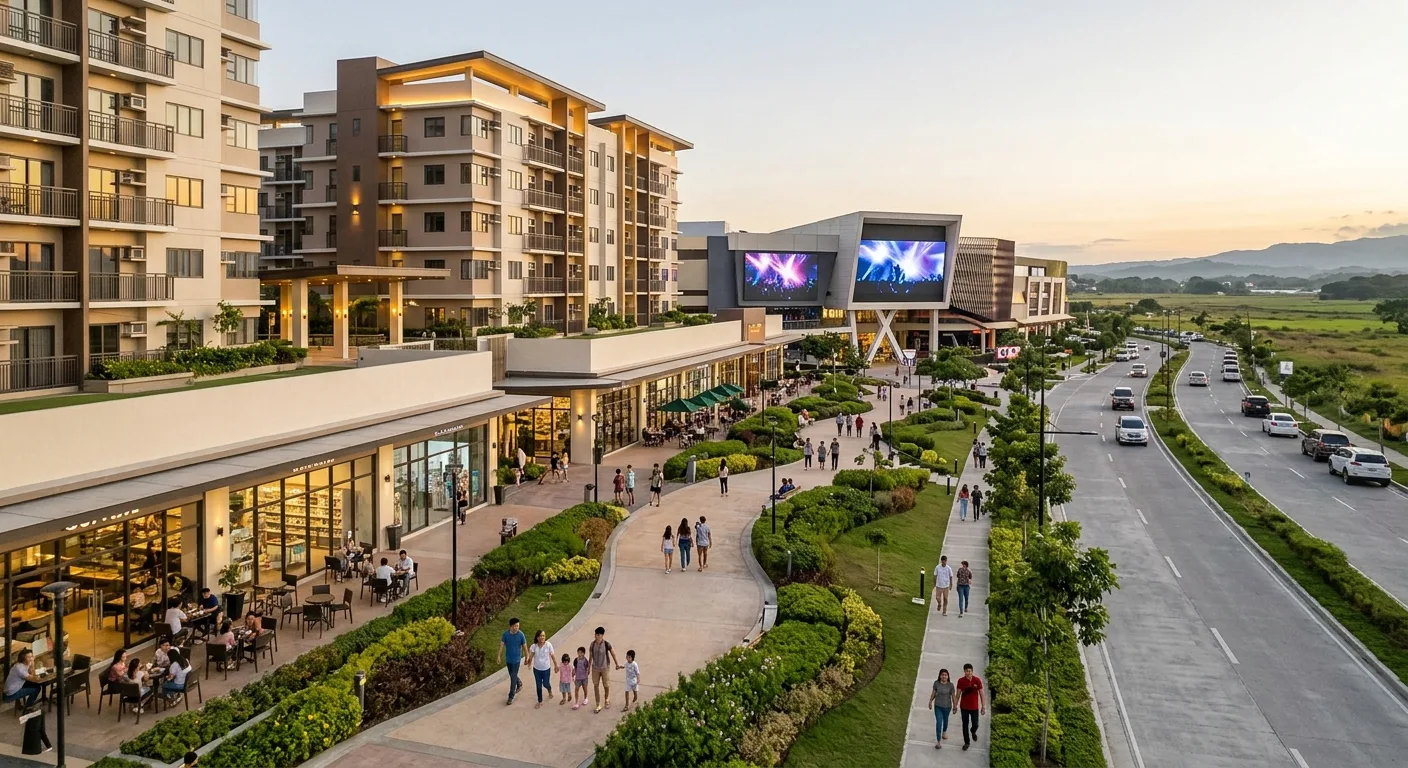
This massive reforestation directly enhances the appeal of adjacent residential and commercial areas. Properties protected by a robust greenbelt are inherently safer from climate‑related damage, a factor that increasingly influences buyer decisions. For developers, building near a well‑maintained mangrove forest is no longer a compromise but an attractive amenity that promises cleaner air, natural views, and a tangible connection to the environment.
Protecting the “Triple Bottom Line”
The city’s aggressive push to value its natural assets, including the landmark Coastal Greenbelt Zone Ordinance, is anchored on the triple bottom line: people, economy, and environment. The recent law imposes a strict 100‑meter no‑build zone and a total reclamation ban, a move that OCENRO argues protects the natural capital that enables communities to thrive. By safeguarding 110 hectares of mangroves across 32 coastal barangays, the city is ensuring long‑term benefits that far outweigh the short‑term gains of development.
These policies have already earned Iloilo City global recognition. Earlier this year, the United Nations Environment Programme designated it a Generation Restoration Role Model City, citing the expansion of mangrove coverage along the Iloilo River from 35 to over 85 hectares. This international stamp of approval enhances the city’s brand, attracting eco‑conscious investors and tourists who see a commitment to genuine sustainability.
A Proactive Defense Against Climate Risks
Iloilo’s approach acknowledges that nature can often heal itself if given the chance, but that this resilience should never breed complacency. The city is proactively strengthening its defenses through nature‑based solutions, recognizing that a healthy ecosystem provides free flood control, carbon sequestration, and fishery support. This reduces the burden on expensive man‑made infrastructure and lowers the long‑term cost of disaster recovery for both the government and private homeowners.
For the real estate sector, this translates into lower insurance risks and greater market stability. Areas behind the greenbelt are less prone to flooding and erosion, preserving the integrity of homes and commercial buildings. As climate change intensifies, buyers are gravitating toward cities that have a clear, proven strategy for resilience, making Iloilo a standout option for long‑term investment.