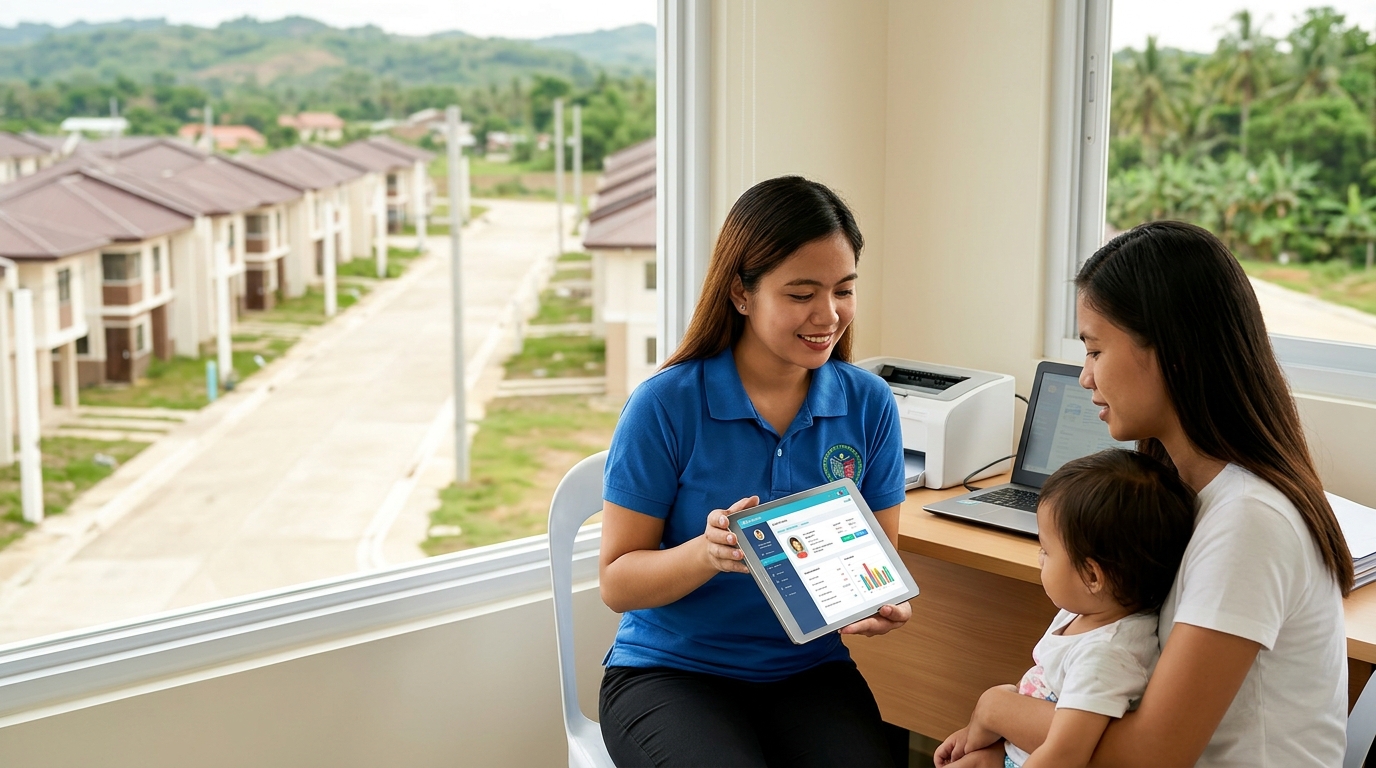
ILOILO CITY — Seven additional health facilities across Iloilo province are now equipped with electronic medical record systems, a move that strengthens the province's digital health infrastructure and, by extension, its appeal to property investors and homebuyers. Governor Arthur Defensor Jr. led the turnover of EMR‑ready equipment to the rural health units and hospitals, building on the province's earlier rollout that began with 13 pilot sites. The expansion brings the total number of digitally enabled public health facilities in Iloilo to 20.
The EMR system digitizes patient records, streamlines consultations, and enables real‑time health data sharing across facilities. For residents, this means faster service, more accurate diagnoses, and continuity of care whether they visit a barangay health center or a district hospital. Governor Defensor described the expansion as part of the province's MoRProGRes health agenda, which prioritizes accessible, technology‑driven healthcare for all Ilonggos. "We are building a health system that is responsive, efficient, and future‑ready," he said during the turnover ceremony.
Digital Health as a Property‑Value Driver
For the real estate sector, the expansion of EMR‑ready facilities adds a layer of institutional credibility to the municipalities that host them. A barangay or town with a digitally equipped health center is a community where basic healthcare is not only available but delivered with modern efficiency. Homebuyers—particularly returning OFWs and young families—increasingly weigh healthcare access alongside school quality and infrastructure when choosing where to settle.
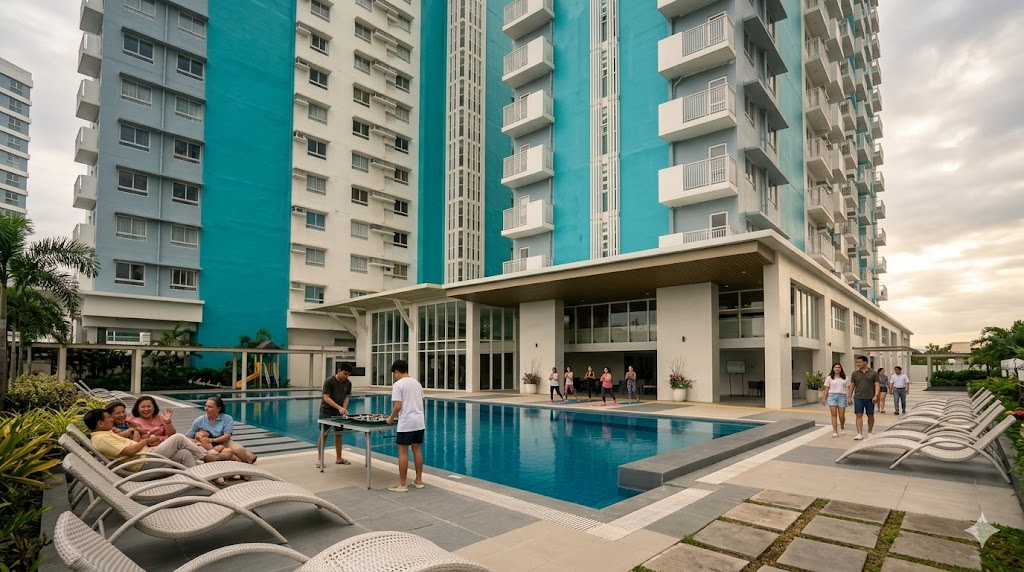
Iloilo's property market already leads the Visayas‑Mindanao region. Colliers Philippines reported a 96 percent house‑and‑lot take‑up rate and an 89 percent condominium absorption rate in the first quarter of 2026. The province has outpaced Metro Cebu in total occupied office transactions. Into this high‑demand environment, the digital health expansion introduces a variable that strengthens the investment case for Iloilo's municipalities: verified, technology‑backed public healthcare.
A Province‑Wide Health Infrastructure Buildout
The EMR expansion is only one component of Iloilo's broader health infrastructure push. The province recently launched a ₱200‑million dialysis project with Healthway Qualimed, which will establish 13 dialysis centers across all district hospitals. A proposed 87‑bed Mother and Child Facility at the Iloilo Provincial Hospital is advancing toward a 2028 completion target. The provincial health office has also intensified free cervical cancer screening using HPV DNA testing, deploying services to rural health units across the province.
Each of these initiatives, while designed for public health, has the secondary effect of making Iloilo's municipalities more attractive to the families and investors driving the province's record‑setting real estate absorption. A digitally equipped rural health unit, a dialysis center within commuting distance, and a maternal care facility under construction collectively signal that the province is building the infrastructure necessary to support long‑term population growth. For property developers and homebuyers alike, that signal is increasingly impossible to ignore.