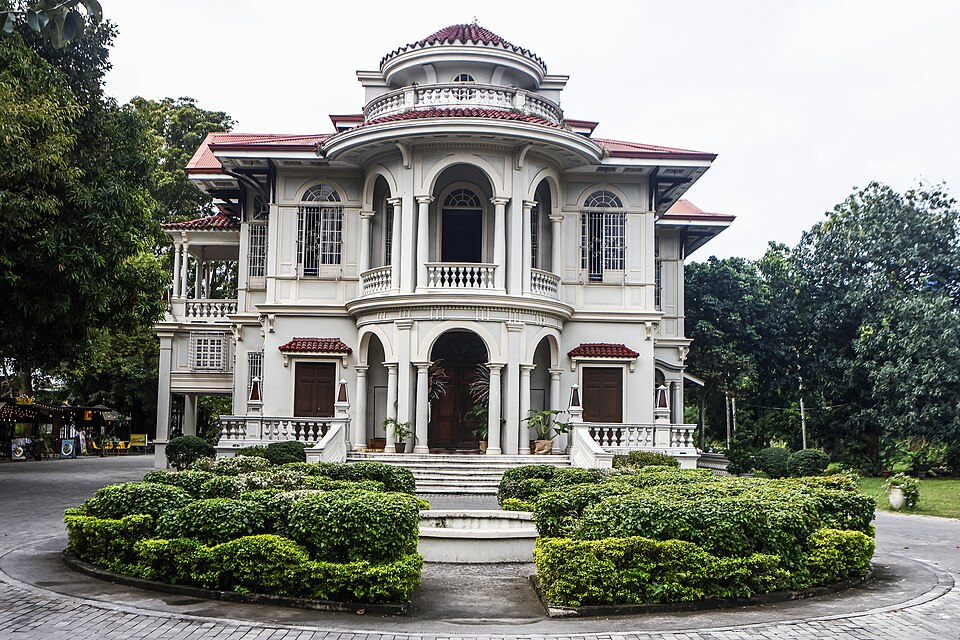
ILOILO CITY — The Molo Mansion stands at its centennial era in 2026 not as a dusty relic but as a living testament to adaptive reuse. The Yusay‑Consing ancestral home, once marked for demolition, now thrives as a cultural retail and culinary destination.
From Sugar Wealth to Near Ruin
Built in the mid‑1920s by the affluent Yusay family, the mansion embodied the opulence of Iloilo’s sugar‑boom aristocracy. Judge Estanislao Yusay commissioned sweeping arches, wide balconies, and neoclassical lines that caught tropical breezes. The estate later passed to the Consing family, hosting generations of Ilonggo elite.
By the early 2000s, the mansion had fallen into deep neglect. Its hardwood floors warped, its grand staircase creaked under dust, and the overgrown garden hid the stone lions at the gate. A supermarket chain nearly claimed the property, threatening to erase a century of history in favor of concrete aisles.
The Restoration Gamble
SM Hotels and Conventions Corp rescued the mansion in 2015, launching a meticulous restoration that honored the original architecture. Craftsmen repaired the wide‑plank ipil floors, reinforced the intricate ceiling moldings, and restored the glass‑paneled windows. The iconic semicircular façade was preserved in its cream‑white glory.
Rather than converting the building into a hands‑off museum, the owners chose adaptive reuse. The ground floor became a Kultura store, showcasing premium Hablon and Piña weaves alongside local delicacies. This decision gave the mansion a sustainable commercial heartbeat while keeping its historical soul intact.
Where Heritage Wears a Price Tag
Inside, visitors walk on century‑old hardwood while touching garments woven with patterns passed down through generations. Racks of hand‑embroidered barong and shelves of artisanal chocolate create a marketplace of living heritage. Every purchase supports local weavers and craftsmen, closing the loop between preservation and livelihood.
The backyard garden has blossomed into the Molo Mansion Café, a shaded retreat under sprawling trees. Locals and tourists sip tablea drinks and sample fruit gelatos while surrounded by the mansion’s serene grounds. The space also hosts pop‑up markets and community gatherings, transforming the estate into a vibrant public square.
A Cultural Triangle in Molo
The mansion anchors a walkable heritage corridor alongside the Molo Plaza and the historic St. Anne Parish. Molo Church, famously dedicated to female saints, adds a layer of feminine energy to the district. Together, these three landmarks create a pedestrian‑friendly loop that encourages slow, immersive tourism.
This geographic harmony amplifies the visitor experience. A morning spent admiring the church’s Gothic spires naturally flows into an afternoon of shopping at the mansion, followed by a leisurely snack in the garden. The district now models how heritage conservation can drive economic activity.
A Global Blueprint for Saving History
The Molo Mansion’s centennial story resonates beyond Iloilo. It proves that private corporations can save—rather than erase—cultural landmarks when guided by respect and creativity. The mansion’s second life as a retail and dining space offers a replicable formula for other endangered heritage sites across the Philippines.
The stone lions still guard the gate, unchanged through the decades. But the world they watch over has transformed from a private enclave into a shared community treasure. As the mansion steps into its next century, it stands as a beacon of what is possible when the past is invited to thrive in the present.