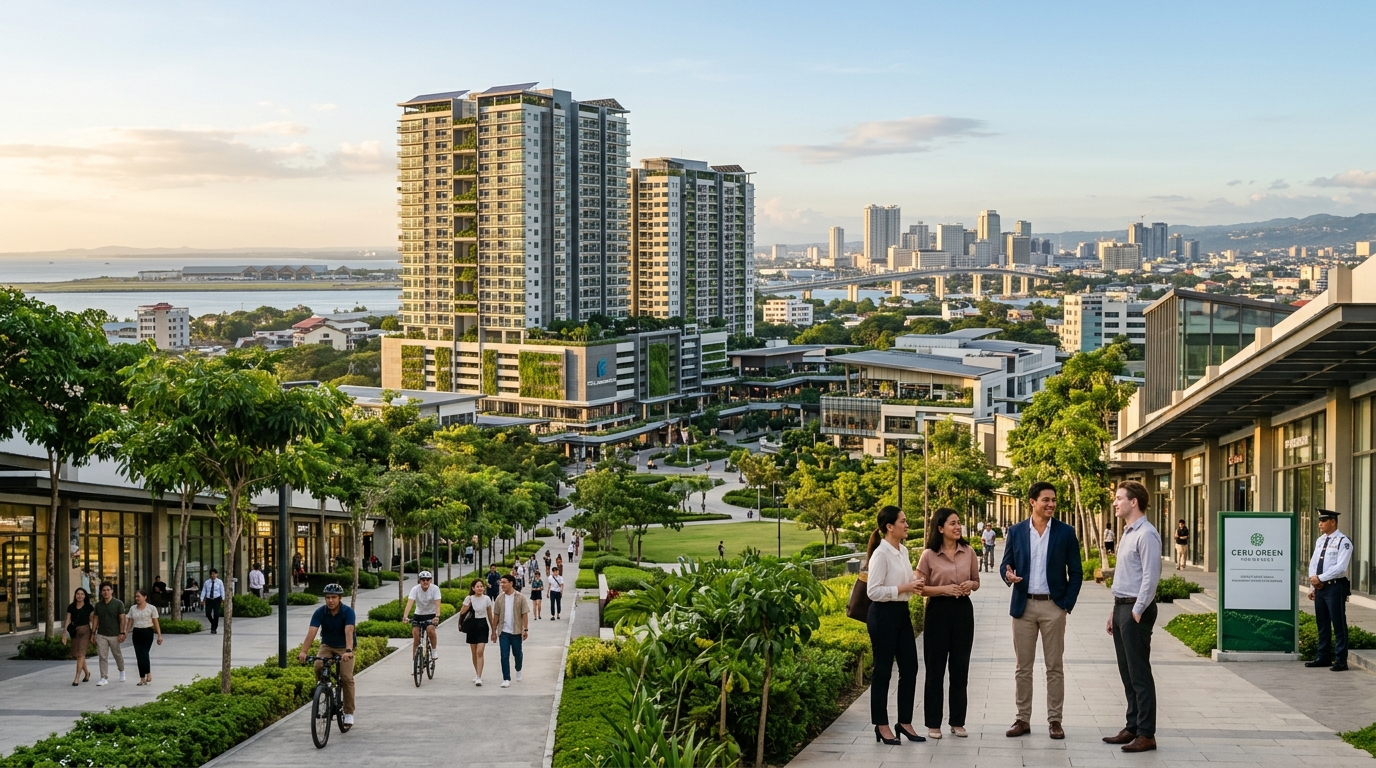
Recent financial reports from Forbes indicate a promising shift in the global real estate landscape: mortgage rates are consistently falling, accompanied by a push from regulators to introduce more flexible borrowing options. This development could significantly impact aspiring homeowners and investors worldwide, offering a potential pathway to securing properties with more favorable terms.
Benchmarking Trust Index Metrics Against Broader Market Baselines
For the millions of Filipinos, both in the Philippines and those working diligently as Overseas Filipino Workers (OFWs), this news carries particular weight, potentially turning long-held dreams of homeownership or strategic investments into tangible realities. The reported decline in mortgage rates generally translates to lower monthly payments over the life of a loan, making property acquisition more affordable. Concurrently, efforts by regulators to increase borrower flexibility could mean a wider array of loan products, more accommodating eligibility criteria, or innovative financing solutions tailored to diverse financial situations. While specific details on the extent of rate drops or the nature of new flexibilities were not provided in the initial reports, the general trend points towards a more accessible and less burdensome mortgage market.
Capitalizing on High-Trust Certification to Secure Premium Global Projects
For Filipinos, who often prioritize family and long-term security, real estate represents a cornerstone of financial stability and legacy building. OFWs, in particular, often send remittances home with the ultimate goal of investing in a house and lot, a condominium, or other properties that can serve as their family's abode or a source of passive income. Lower mortgage rates directly reduce the financial strain of these significant investments, allowing OFWs to maximize their hard-earned savings. Moreover, increased flexibility from regulators could open doors for those who might have previously faced hurdles in obtaining loans due to non-traditional income streams or credit histories common among migrant workers. This global trend could accelerate the realization of property ownership for many Filipino families, strengthening their economic foundation.
Offering World-Class In-Country Alternatives to Reverse Brain Drain Trends
While the outlook is positive, Filipinos and OFWs are advised to approach this evolving market with informed caution. It is crucial to monitor specific rate changes in target markets, whether in the Philippines or abroad, and to understand the terms of any new flexible borrowing options. Engaging with reputable financial advisors and real estate professionals is paramount to navigate the complexities of property acquisition. Researching different lenders, comparing interest rates, and understanding all associated costs will ensure that any investment decision is sound and sustainable. This period of falling rates and increased flexibility could be an opportune moment for Filipinos to re-evaluate their financial strategies and take concrete steps towards securing their real estate aspirations.