ILOILO CITY — The Iloilo Water Resilience Initiative (IWARI) has generated an estimated 540.7 million liters of water annually over the past three years, a lifeline for the province’s farms, fishponds, and households. As the project concludes on June 30, 2026, partners gathered to showcase how nature‑based solutions quietly built a water bank that will pay dividends for years.
A Harvest Beyond Crops
Of the total annual water gain, agroforestry activities alone produced 284.9 million liters. By planting deep‑rooted trees and crops along critical slopes, the project slowed runoff and allowed rainfall to seep into underground aquifers. These upstream interventions now deliver a steady supply of water to downstream communities without the need for large concrete dams.
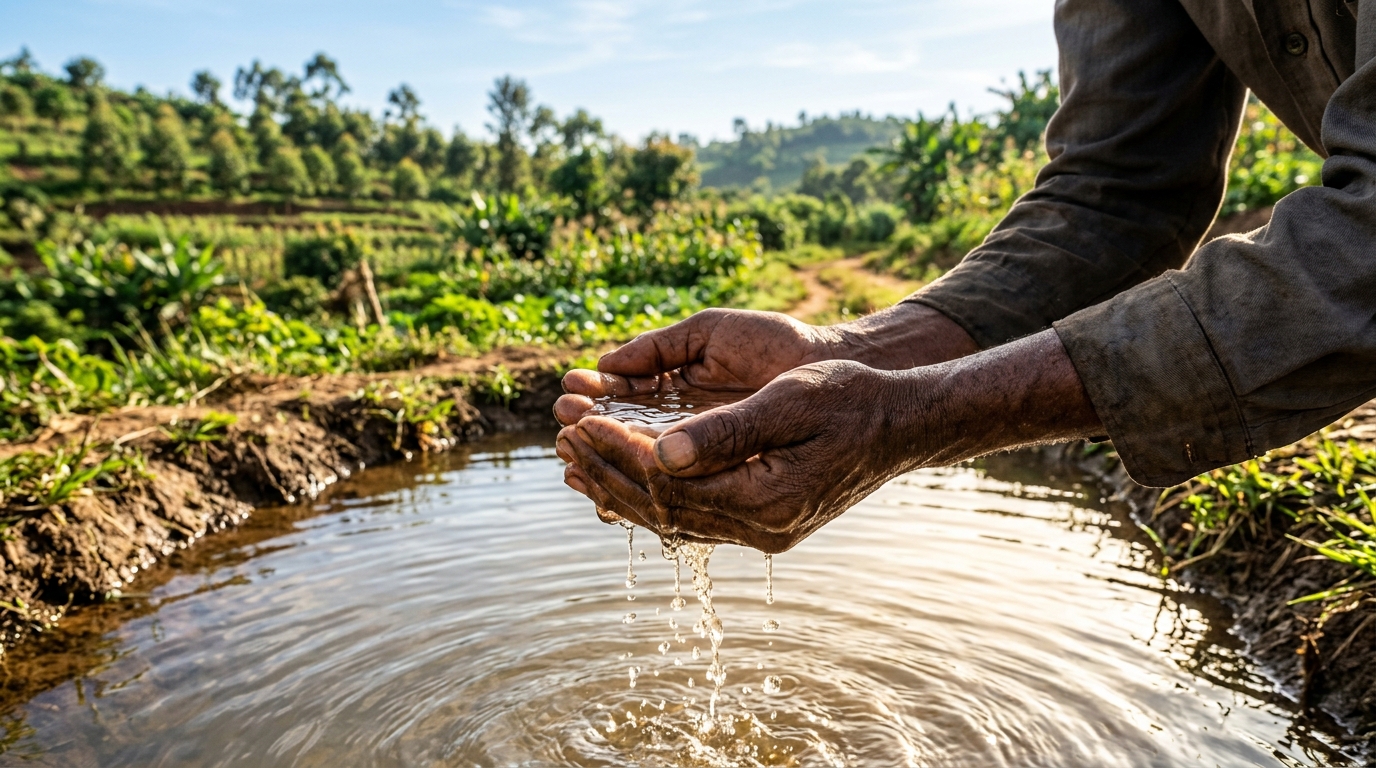
Small farm reservoirs scattered across Janiuay, New Lucena, Leon, and Alimodian contributed another 210.8 million liters. These earthen structures capture rain and store it for dry‑season irrigation, letting farmers plant an extra crop cycle. The reservoirs have turned water from a seasonal gamble into a reliable asset, directly boosting local incomes and food production.
Every Drop Counts for Livelihoods
Local fishponds received 12.7 million liters of dedicated water supply, sustaining aquaculture operations that provide protein and employment. A Level II water system in Maasin now delivers 32.4 million liters of potable water annually to households that previously depended on shallow wells. Rainwater harvesting systems at Ramon Tabiana District Hospital and 17 sites across Iloilo City add another 2.26 million liters in combined storage capacity.
These figures add up to more than statistics—they represent communities no longer forced to ration water during dry months. The initiative, implemented by Catholic Relief Services Philippines with the Coca‑Cola Foundation and the Provincial Government of Iloilo, targeted the Tigum‑Aganan and Iloilo‑Batiano watersheds. The Maasin Watershed Forest Reserve, the primary source of drinking water for Iloilo City, was a focal area.
Nature‑Based Solutions for a Changing Climate
At the closeout program held at Casa Real on June 25, project partners emphasized that the numbers only tell part of the story. CRS Philippines head of programming Ma. Concepcion Nobleza said the true legacy of IWARI is the collaboration it built among communities, local governments, civil society, academia, and the private sector. The initiative proved that investments in watersheds and nature‑based solutions create lasting benefits.
The approach avoided expensive grey infrastructure in favor of agroforestry, farm reservoirs, and community‑led conservation. This not only cut costs but also built local ownership, as farmers and barangay officials were trained to maintain the systems. With climate change intensifying droughts and floods, Iloilo now has a working template for water resilience.
A Foundation for Future Growth
IWARI’s completion dovetails with the province’s newly launched 10‑year Integrated Water Security Plan, which aims to provide every resident with 24/7 access to safe, affordable potable water by 2035. The project’s success provides the proof of concept needed to scale up investments. Water system designs were formally turned over to beneficiary barangays Bolo and Trangka in Maasin for continued operation.
As the project officially ends, stakeholders signed a commitment to sustain the interventions. For a province where only 11 of 43 municipalities meet national standards for safely managed drinking water, the 540.7 million liters banked by IWARI represent a critical down payment on a more secure future. Iloilo has shown that the smartest water storage is not always a dam—sometimes it’s a forest, a pond, or a community that cares.