ILOILO CITY — On May 6, 2026, Metro Pacific Iloilo Water (MPIW) Chief Operating Officer Angelo David C. Berba walked into a committee room at the Iloilo City Council and laid out the single most consequential infrastructure project for the city's property sector in a generation. The proposed 65-million-liter-per-day desalination plant, to rise in Barangay Ingore, La Paz district, will more than double service coverage from the current 28 percent to 60 percent once operational. For developers, landowners, and condominium investors, those numbers translate into something the market has been quietly demanding for years: a water supply that can keep pace with Iloilo's property boom.
The presentation came at the invitation of Councilor Romel Duron, who chairs the Committee on Public Utilities and called the meeting amid growing urgency over an intensifying dry season and PAGASA's forecast of El Niño conditions as early as June to August 2026. The current supply shortfall sits at roughly 139 million liters per day, or about 63 percent of demand. MPIW produces only 40 to 50 MLD. Earlier this year, approximately 40 percent of the city's 180 barangays were below normal service levels. In April 2024, the city council declared a state of calamity, unlocking PHP12.5 million to assist over 20,000 residents with little or no water.
From Water Scarcity to Buildable Land
The property implications of the desalination plant are not theoretical. Colliers Philippines reported in early May 2026 that Iloilo City's house-and-lot take-up rate reached 96 percent, the highest in the Visayas-Mindanao region, while condominium take-up stood at 89 percent and lot-only purchases at 80 percent. The city has outpaced Metro Cebu in total occupied office transactions, and Megaworld now controls 48 percent of Iloilo's office market across 13 towers generating an estimated 20,000 direct jobs. Yet beneath those figures lies a structural constraint: only 27 percent of households in the city are connected to the potable water system.
A booming city cannot function properly if households experience water shortages or if businesses suffer repeated interruptions. The Panay News editorial board crystallized the risk: "Growth is meaningless without preparedness." For developers scouting land in growth corridors like Mandurriao, Jaro, and La Paz, the desalination plant converts parcels that previously lacked reliable water access into viable residential and commercial sites. Berba was direct in his appeal to the council: every month saved in the permitting process translates directly to faster water access for thousands of Iloilo City households.
A PHP5.5-Billion Hedge Against Climate Volatility
The desalination facility represents MPIW's single largest investment in Iloilo's water future, part of a broader PHP11-billion spending plan from 2025 to 2028. Metro Pacific Water, the parent company, has allocated PHP3.81 billion in capital expenditure for 2026 alone, targeting aggressive infrastructure expansion in both Iloilo and Dumaguete. Andrew Pangilinan, MPW president and CEO, said the company is prioritizing long-term security over immediate gains, recognizing that demand is scaling at a time when traditional water sources are increasingly strained by extreme climate conditions.
The Ingore facility will use reverse osmosis technology to convert seawater into potable water, with SUEZ—a French firm with five decades in seawater desalination—and JEMCO handling the local construction. The plant was originally targeted for completion by the fourth quarter of 2027, but regulatory and permitting processes have pushed the timeline to 2028. MPIW has asked the city council to help prioritize the advancement of these requirements, and Mayor Raisa Treñas-Chu has affirmed her support, stating that the project "is part of the long-term solution to the city's water supply."
Near-Term Relief Already Underway
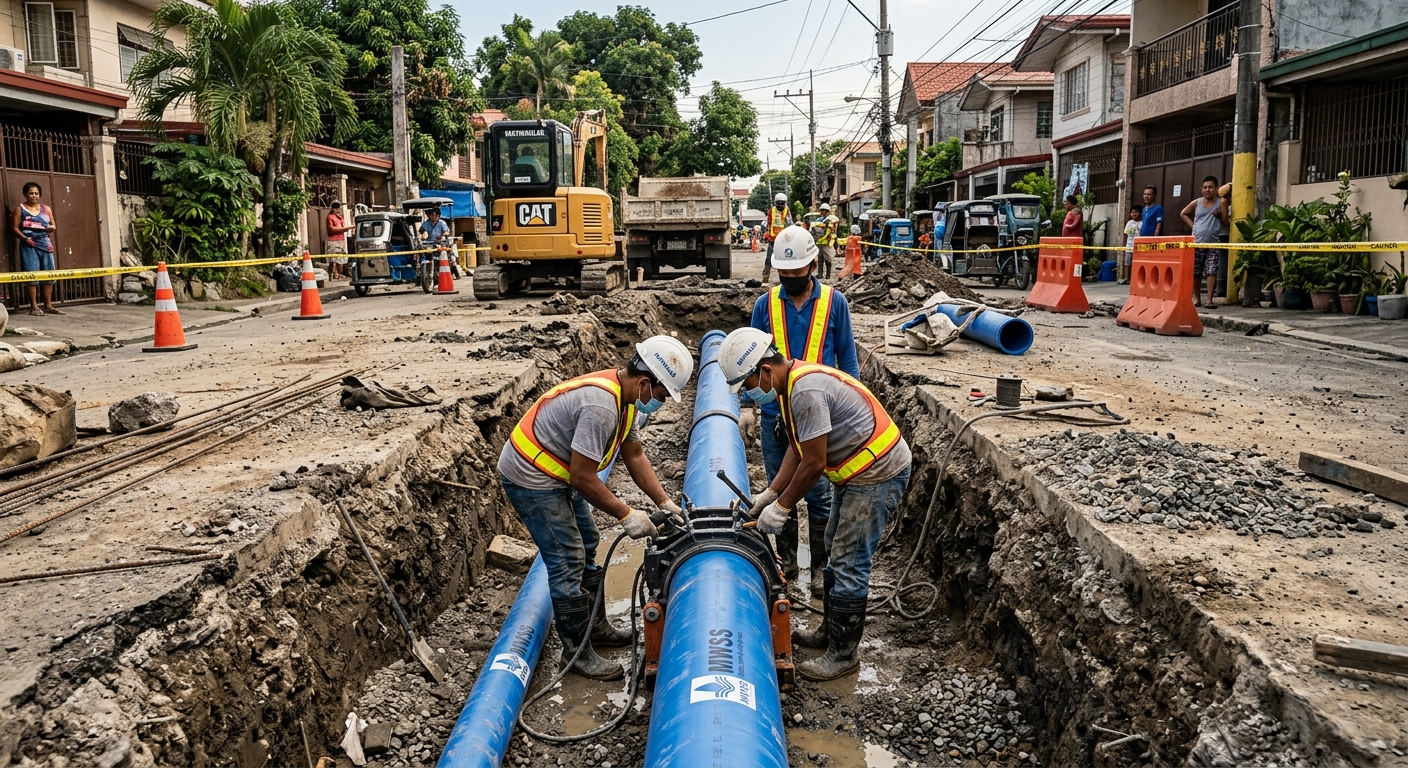
While the 65-MLD plant moves through the permitting pipeline, two complementary initiatives are delivering immediate results. MPIW's pipe-laying rehabilitation and expansion program is projected to recover up to 10 million liters per day through Non-Revenue Water reduction and service improvement projects, with several components targeted for completion by mid-2026. A modular desalination system is on track to deliver an initial 2 MLD of additional supply by the second quarter of this year.
Berba acknowledged the visible disruption caused by ongoing construction across multiple districts. "To our customers—patience and understanding, because these are temporary inconveniences for your long-term benefit," he said. The pipe replacement program has replaced aging, undersized infrastructure that contributes to system inefficiencies, and the company is also intensifying its crackdown on non-revenue water by targeting leaks and illegal connections.
What 2028 Means for Property Values
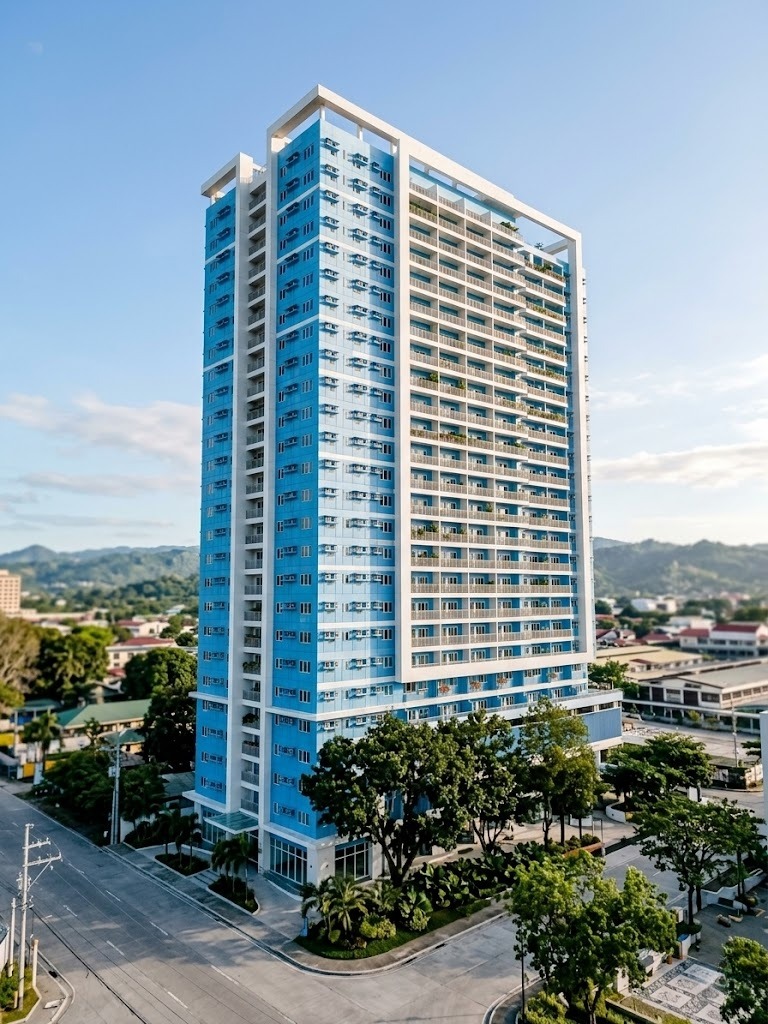
For the residential and commercial property markets, the desalination plant's 2028 target marks a countdown to a materially different investment environment. A city where 60 percent of households have stable, potable water is a city where condominium developers can confidently launch towers in barangays previously constrained by supply uncertainty. Office lessors—particularly those courting BPO and global capability center tenants—can cite water security as a locational advantage alongside power reliability and fiber connectivity.
The Bangko Sentral ng Pilipinas has documented that 17 percent of household remittances now flow directly into real estate. Iloilo's house-and-lot take-up rate leads the Visayas-Mindanao region. Western Visayas itself posted a 6.4-percent economic expansion in 2025, the fastest among the country's 18 regions. The desalination plant, when it finally comes online in 2028, will not create demand that does not already exist. It will remove the single largest physical constraint on that demand becoming supply—and, in doing so, reshape which barangays developers consider buildable and which homes buyers consider livable.