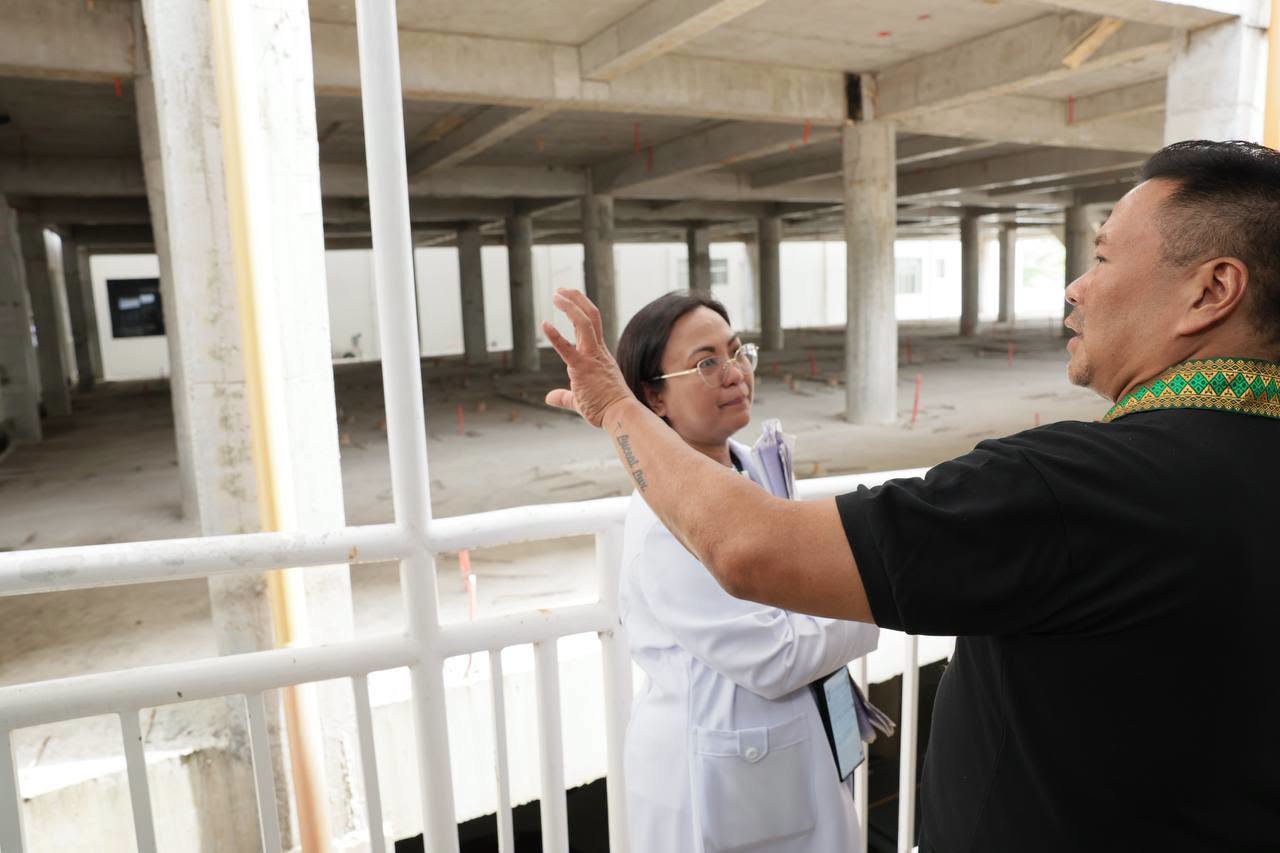
Cebu — Senator JV Ejercito, alongside Governor Pamela Baricuatro, inspected the unfinished expansion building at the Cebu Provincial Hospital in Danao City (CPH Danao) on June 26, 2026, signaling a major step toward the facility’s Level II accreditation. The upgrade promises to transform healthcare access in northern Cebu, a move that directly boosts the area’s attractiveness for homebuyers and investors.
A Hospital Expansion That Lifts a Region
The 787‑square‑meter expansion building now rising at CPH Danao will house a pharmacy and warehouse on the ground floor, operating rooms and intensive care units on the second, and surgical wards on the third. Once completed, the project will elevate the hospital’s bed capacity from its current 100 to 250. For a facility that already serves around 200 patients daily from Borbon to Consolacion and the Camotes Islands, the additional space is critical.
Senator Ejercito, the principal author of the Universal Health Care Act, immediately pledged to support the province’s funding requests for the project. He noted that upgrading provincial hospitals directly eases the severe overcrowding at apex facilities like the Vicente Sotto Memorial Medical Center in Cebu City. For Danao City residents, this means complex surgeries and critical care will soon be available without traveling hours to the capital.
Healthcare Anchors Real Estate Demand
A Level II hospital is a powerful magnet for residential development. Families prioritize access to quality emergency care, specialized surgeries, and maternal services when choosing where to live. CPH Danao’s upgrade signals that the city is ready to support a growing population with modern medical infrastructure.
Real estate developers track hospital expansions closely. The addition of operating rooms, ICUs, and surgical wards means the hospital can handle orthopedic, laparoscopic, and OB‑GYN procedures. This capacity attracts not just residents but also medical professionals who will need housing, creating a ripple effect of demand across the local property market. Brokers can now confidently present Danao City as a complete community rather than a distant suburb.
From Level I to Level II: What Changes
Level II accreditation unlocks a hospital’s ability to perform more complex procedures and admit patients requiring intensive monitoring. For CPH Danao, this transition means that accident victims, high‑risk pregnancies, and post‑surgical cases will no longer need to be transferred to Cebu City. The golden hour for emergency care shrinks dramatically when a fully equipped hospital stands within the community.
Governor Baricuatro has made healthcare infrastructure a cornerstone of her administration, actively seeking legislative support to finish ongoing projects and acquire modern equipment. Her partnership with Senator Ejercito ensures that the funding pipeline for CPH Danao remains open. The senator’s commitment to strengthening the country’s service delivery network places Danao City firmly on the national health map.
A Stronger Community, A Stronger Market
The presence of a Level II hospital stabilizes communities. It reassures existing homeowners, attracts new families, and encourages businesses to set up nearby. Pharmacies, diagnostic centers, and specialty clinics often cluster around upgraded hospitals, creating micro‑economies that boost local employment. For Danao City, already experiencing industrial growth through companies like Cebu Mitsumi, the hospital upgrade adds a vital social infrastructure layer that balances economic expansion with quality of life.
Investors looking at northern Cebu now see a locality where health, work, and leisure converge. The hospital’s expansion, combined with ongoing road and port projects, positions Danao City as a rising star in the province’s real estate landscape. The message is clear: this is a place where families can put down roots and trust that their well‑being is secured.