A Fiber Connected to Community Life
LEYTE - Abaca has played an important role in many communities across Eastern Visayas because of its durability and usefulness. Farmers and artisans have developed skills in cultivating, processing, and creating products from the fiber. The work involves traditional knowledge that has been shared among families and communities. These practices represent a relationship between people and the natural environment around them. They also show how local livelihoods can remain rooted in long-standing customs while adapting to present needs.
Craftsmanship Beyond Simple Production
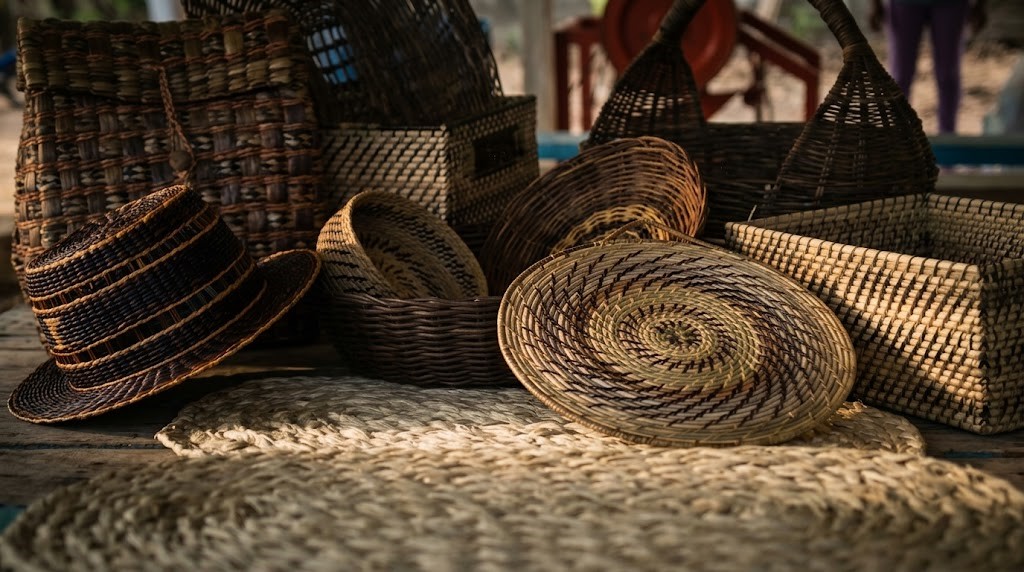
Abaca-based products are not only valued because of their function but also because of the effort behind their creation. Local artisans combine traditional techniques with modern designs to keep the craft relevant. Bags, textiles, and handmade items show how cultural skills can continue adapting over time. Each product carries traces of the place and people who created it. In this way, every finished item becomes both a useful object and a reflection of community identity.
Why Traditional Crafts Remain Important
Supporting local crafts helps maintain skills that might otherwise become less visible. For travelers, purchasing handmade products can become a meaningful way to connect with local culture. Leyte’s abaca traditions demonstrate that heritage is not only found in historical sites but also in everyday work. The hands of local makers continue carrying cultural knowledge forward. These traditions also remind people that preserving culture often begins with supporting the livelihoods of those who keep it alive.