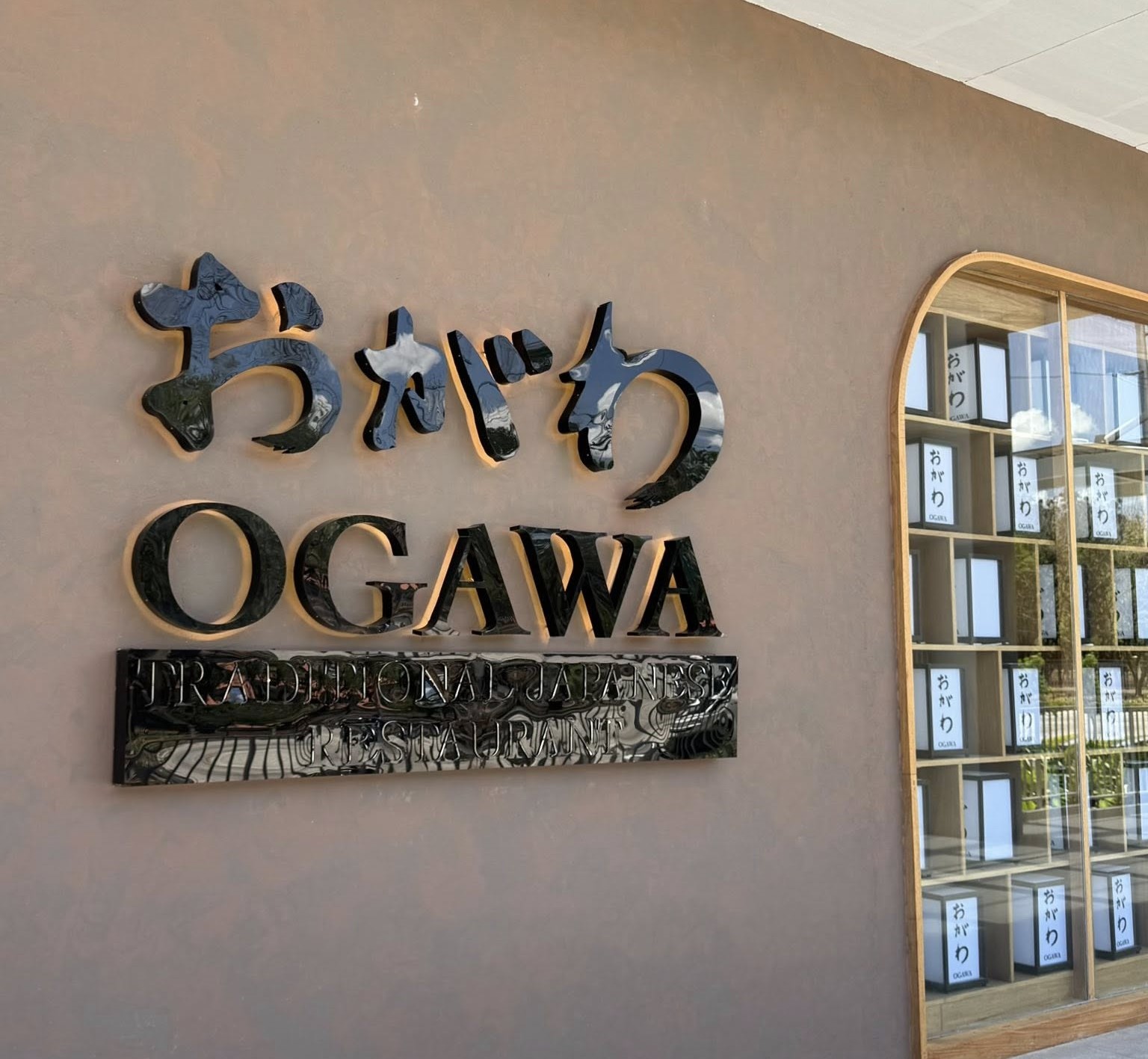
Bonifacio Global City — The Fort Strip, that long, low-slung block of restaurants and bars along 5th Avenue in Bonifacio Global City, went dark at the start of 2025. The indefinite closure, announced by its management, swept away several establishments that had defined a particular era of dining: Yes Please, Nectar Nightclub, and among them, Ogawa Traditional Japanese Restaurant. It was the kind of shuttering that does more than clear a lease. It scatters memories. For actress Gabbi Garcia, who had celebrated every anniversary at Ogawa since 2017, the boarded-up facade felt personal. "Seeing it closed broke our hearts," she wrote on Instagram, sharing a photograph of herself and Khalil Ramos standing outside the darkened restaurant. "It's become a tradition to go back to every anniversary, order the same meals, and relive the memories of our first date."
On April 28, 2026, that grief turned into something quieter and perhaps more instructive: a reopening. Not in the Fort Strip, which remains shuttered, but at the Upper Ground Floor of The Shoppes at Park McKinley West along Lawton Avenue, barely two kilometers away. The new address places Ogawa inside a different kind of BGC—quieter, more residential, closer to the offices and condominiums of McKinley Hill. The restaurant is no longer the anchor of a nightlife strip but a destination on its own terms. The old crowd has been finding its way back, and a new one is building around it.
A Kitchen Led by Precision, Not Nostalgia
The decision to reopen was not driven by sentiment alone. Owner George Pua, the restaurateur behind No Limits Food Inc., paired the return with a deliberate shift in kitchen leadership. Chef Kiyoshi Ogawa, whose family name and technique gave the restaurant its identity, did not return to the pass. Instead, Pua entrusted the new kitchen to Head Chef Kazu Yonemoto, a Japanese chef with extensive experience who now leads a team dedicated to traditional techniques adapted for the Philippine palate.
Chef Kazu's sourcing philosophy mirrors the rigor of his predecessor. Seafood continues to arrive from Tokyo's Toyosu Market, the successor to Tsukiji. Wagyu beef varieties—Kobe, Matsusaka, Ohmi, Kagoshima, and Miyazaki—are flown in directly from their respective Japanese prefectures. The menu still spans the full taxonomy of Japanese dining: donburi, sukiyaki, teppanyaki, kaiseki, and robatayaki. A live robatayaki grilling station now anchors the main floor, where skewers of meat, fish, and vegetables are grilled over open charcoal in full view of diners—a performance as much as a cooking method. A new item, Burgeryaki, has been added to the repertoire, a small signal that the restaurant understands it is competing in a BGC dining scene that has proliferated since 2015.
A Door, a Bridge, and the Things Worth Carrying Forward
The new Ogawa is notably warmer than its fortress-like predecessor. Earth-toned palettes and rustic finishes dominate the interiors, exchanging the stark elegance of the old space for something more grounded. Light strikes wood differently here, and the effect is less dramatic but more inviting. Two original elements, however, were preserved and reinstalled. The large antique Japanese door that once greeted diners at the Fort Strip entrance now stands at the threshold of the Park McKinley West location. A wooden bridge that had been a signature visual anchor inside the old restaurant was reconstructed and integrated into the new layout. Both objects carry no practical function beyond memory, but their presence signals that the restaurant sees its history not as a weight but as a foundation.
Private dining rooms, named after Tokyo districts—Ginza, Roppongi, Akasaka, Aoyama, and Shinbashi—have been reconfigured for the new layout but serve the same purpose they always did: giving small groups a quiet enclosure for long meals. An open sushi station places the chef's work at the center of the room, where each piece of nigiri is assembled on a wooden counter with the kind of economy of motion that requires decades to master.
A Soft Opening That Is Actually Soft
During the initial reopening phase, Ogawa is serving a curated soft opening menu rather than its full repertoire. A more comprehensive selection—reportedly spanning 40 pages—is scheduled to roll out in the coming months. The restraint is unusual in a market where launches often precede readiness. For a restaurant whose prior iteration was celebrated for its omakase, its teppanyaki lobster and ribeye, and a secret-menu donburi loaded with toro, salmon, and ikura, the phased approach suggests a kitchen that wants to find its rhythm before it invites the city to judge.
For guests who prefer to book ahead, reservations can be made through the restaurant's official contact numbers, 0917-856-4292 and 7001-8314. The restaurant has also reactivated its Instagram account at @ogawa.manila, posting updates as the full menu nears completion.
The Neighborhood That Waited
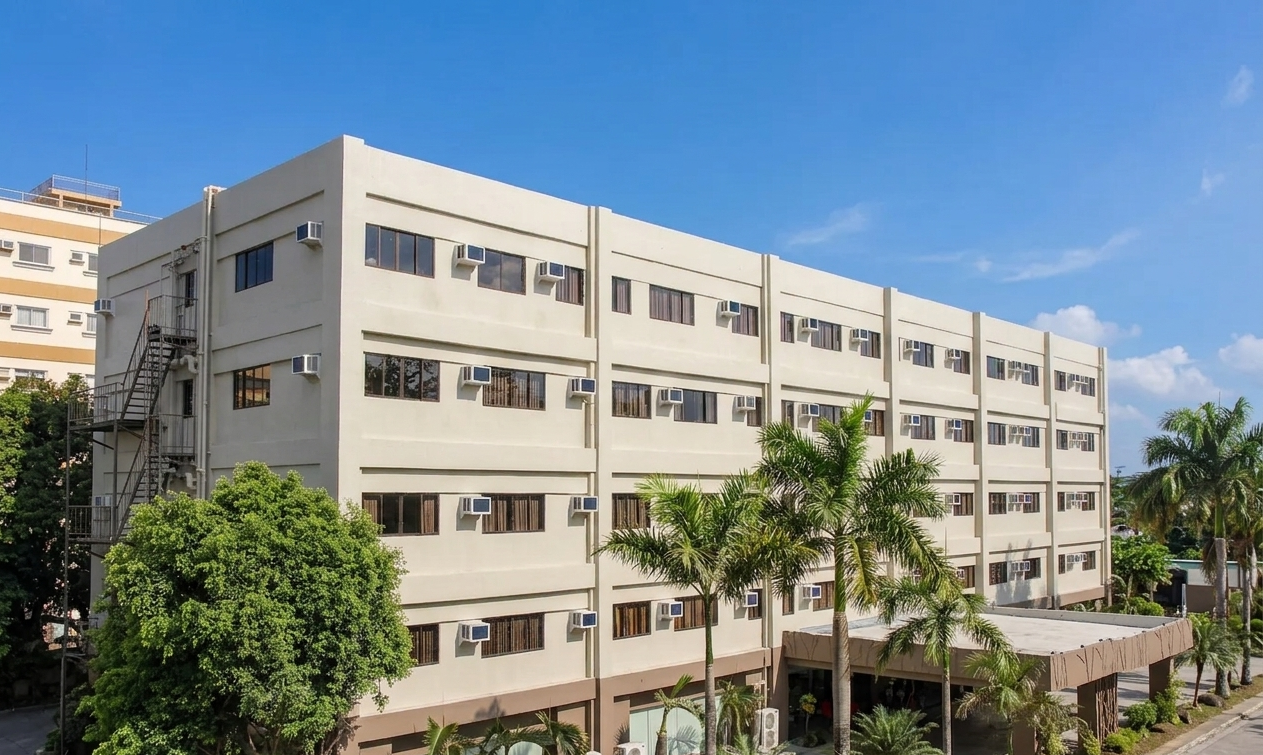
The Shoppes at Park McKinley West is not a traditional restaurant row. It is a commercial arc at the foot of a condominium cluster, close enough to BGC's corporate core to draw a lunch crowd but far enough from the main grid to feel residential. The location is strategic: Ogawa now sits within walking distance of thousands of McKinley Hill residents and workers, many of whom had previously driven to the Fort Strip for dinner. The removal of that short commute, in a city where traffic can consume an evening, may prove as significant a factor in the restaurant's longevity as any menu innovation.
The broader culinary map of BGC continues to evolve around it. Other Japanese concepts have entered the market. New restaurants open monthly. The dining public that Ogawa originally cultivated in 2015 has grown more knowledgeable, more demanding, and more willing to travel for a meal. The restaurant's return, in this sense, arrives as much as a response to market demand as to its owner's resolve. A dining institution built on relationships tends to find its way back precisely because those relationships do not dissolve when the lease expires.