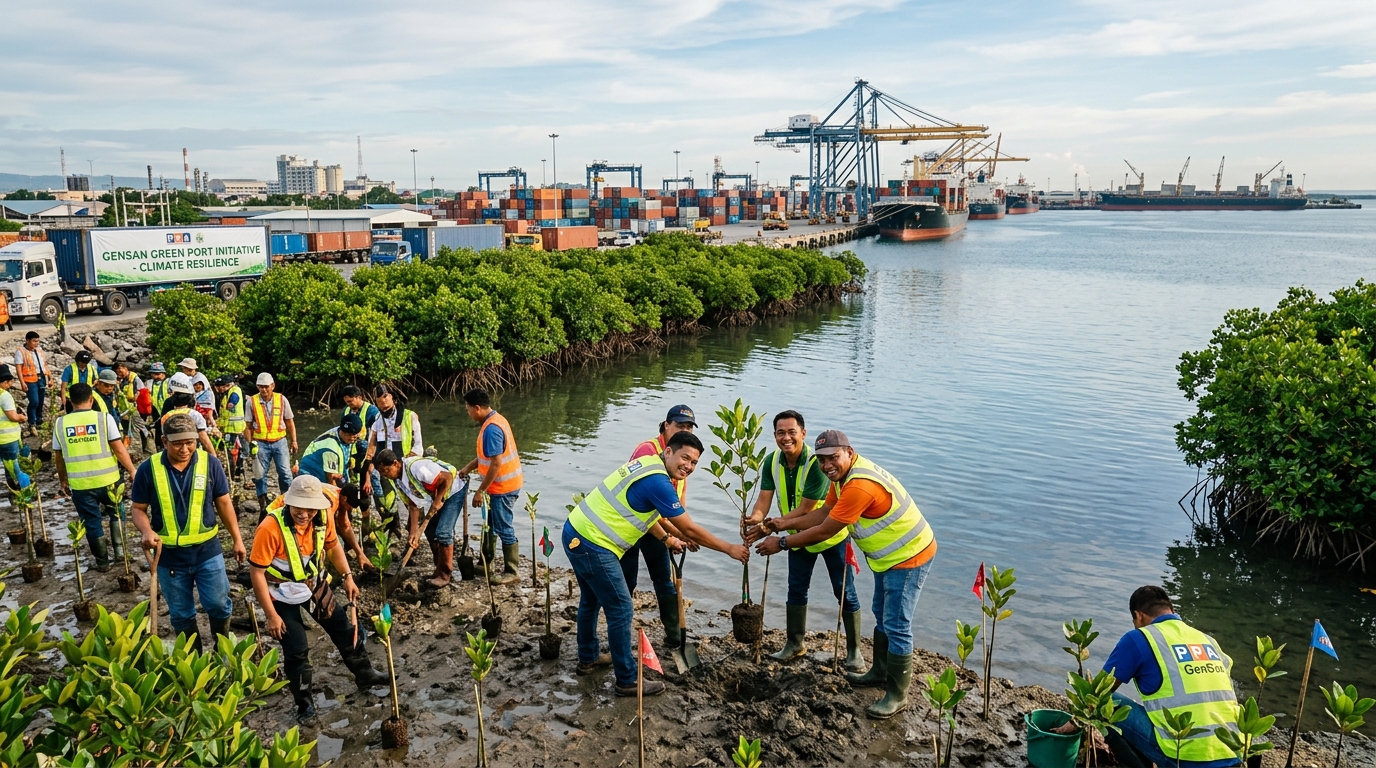
While GenSan is famous for its industrial output, a massive "Green Port" initiative is currently transforming the city's environmental landscape this May. The Philippine Ports Authority (PPA) reported that its nationwide reforestation efforts—which have hit a milestone of 20 million trees planted—are now focused on the mangrove and coastal areas surrounding GenSan’s harbors. This project aims to create a natural buffer against storm surges and rising sea levels, protecting the city’s multi-billion peso fishing industry. It is a sophisticated example of how industrial giants are beginning to prioritize "Climate Resilience" as a core part of their 2026 business strategy.
Protecting the Tuna Gateway
The reforestation effort in GenSan focuses on indigenous mangrove species that are critical for maintaining the health of the local marine ecosystem. These "green walls" serve as nurseries for small fish and crustaceans, which in turn support the larger tuna populations that drive the city's economy. By investing in the environment, the port authority is effectively investing in the long-term viability of the very industry it serves. Scientists involved in the project have noted a visible improvement in local water quality and biodiversity near the newly planted coastal zones this week.
Engaging the Industrial Workforce
A unique aspect of this 2026 initiative is the active participation of port workers and local truckers in the tree-planting activities. During Labor Day events on May 1, many employees traded their industrial tools for shovels, participating in "Green Shifts" dedicated to environmental restoration. This has fostered a new sense of "Ecological Ownership" among the workforce, shifting the culture from pure extraction to active preservation. The PPA has even integrated environmental training into its standard certifications for port personnel, ensuring that "Green Thinking" is part of the job description.
A Global Model for Sustainable Shipping
The "GenSan Green Port" model is gaining international attention as other maritime nations look for ways to decarbonize their logistics hubs. By combining high-tech digital systems like ORAS with low-tech natural solutions like mangrove reforestation, the city is offering a balanced approach to development. This strategy has already attracted interest from international "Green Funds" looking to support sustainable infrastructure in Southeast Asia. As the second quarter of 2026 progresses, the once-grey skyline of the industrial port area is slowly being framed by a growing, vibrant green belt.