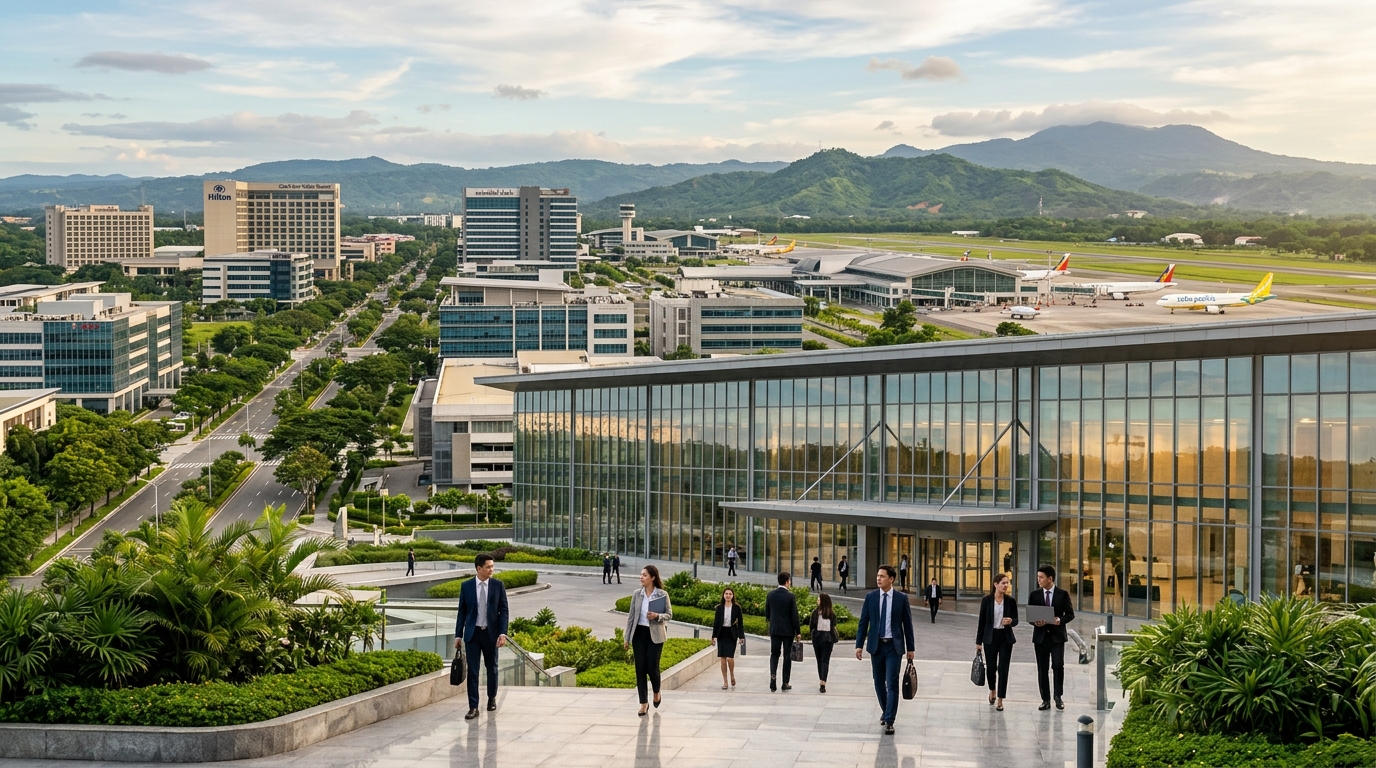
The tourism landscape of the Philippines is undergoing a significant transformation, with the United States now emerging as the country's top source of international visitors. This dramatic power shift sees the US surpassing traditional markets like South Korea, Japan, China, Australia, Taiwan, and the United Kingdom, marking a pivotal moment for the nation's post-pandemic recovery and future economic direction. This change is primarily attributed to a surge in long-haul travel demand and a noticeable increase in 'diaspora travel' – Filipinos living abroad, particularly in the US, returning home to visit family and rediscover their roots.
Redirecting Transpacific Traffic and Boosting Provincial Remittance Channels
The global realignment of travel markets following the pandemic has also played a crucial role, redirecting tourist flows and highlighting the Philippines' appeal to American travelers seeking unique cultural experiences and natural beauty. For many Filipinos, especially those with relatives working or residing in the United States, this trend signifies more than just numbers. It points to stronger family connections and increased remittances that often accompany such visits, providing a direct boost to local economies in provinces and cities across the archipelago.
Injecting High-Yield Consumer Capital to Anchor Regional Employment
The ascendancy of the US market is a critical development for the Philippine economy. The tourism sector is a major employer, providing livelihoods for millions of Filipinos, from hotel staff and tour guides to local artisans and street vendors. A robust influx of American tourists, known for longer stays and higher spending capacities, translates directly into increased revenue, job creation, and a stronger demand for local goods and services. This provides stability for families reliant on the tourism industry, including those supported by Overseas Filipino Workers (OFWs) who might consider returning home if local opportunities improve.
Adapting Service Benchmarks and Unlocking Expatriate Investment Pipelines
This shift presents both opportunities and challenges. For Filipinos in the tourism industry, it underscores the importance of understanding the preferences and expectations of American travelers, from service standards to specialized tours. For OFWs contemplating investment or return, the revitalized tourism sector could offer new avenues for entrepreneurship, particularly in hospitality, food services, and cultural experiences. The government and private sector will likely continue to enhance infrastructure and promote diverse destinations, ensuring the Philippines remains a top choice for these valuable long-haul visitors and our returning countrymen.