Looking Beyond the City's Famous Attractions
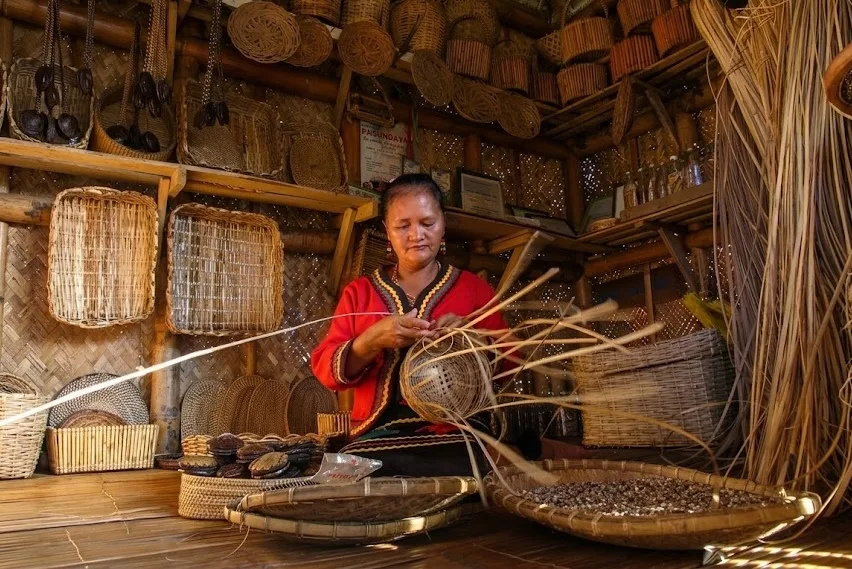
OZAMIZ CITY - Many visitors recognize Ozamiz City for destinations such as the historic Cotta Fort, the Metropolitan Cathedral, and the city's coastal setting. Less obvious, however, are the handcrafted items that quietly represent the creativity of surrounding communities. Woven baskets, mats made from natural fibers, wooden household pieces, and handmade decorative products reflect techniques that have long served practical purposes before becoming objects of appreciation. These crafts may not dominate travel brochures, yet they provide a meaningful glimpse into everyday traditions shaped by available natural materials and generations of craftsmanship across Northern Mindanao.
Why Handmade Still Matters in a Modern Marketplace
Mass-produced goods offer convenience, but handcrafted products possess qualities that machines cannot easily reproduce. Variations in weaving patterns, hand-finished details, and natural textures give each piece its own character. For travelers, choosing locally made crafts becomes more than a shopping decision—it becomes a way of supporting traditional skills and small-scale livelihoods. Whether displayed as home décor or used in daily life, woven and handcrafted items carry stories of patience, technique, and cultural continuity. Their value lies not only in appearance but also in the human hands responsible for creating every finished piece.
Culture Lives in Everyday Objects
Cultural heritage is not preserved only through museums or historic buildings. It also survives in ordinary objects that remain useful across generations. A woven basket, a hand-crafted mat, or a decorative piece made from indigenous materials reflects knowledge that developed through repeated practice and close relationships with the local environment. These items remind visitors that craftsmanship continues to complement the region's better-known attractions. For anyone exploring Ozamiz City, paying attention to locally made products offers another perspective on the area's identity—one shaped as much by skilled hands as by its landscapes and historic landmarks.